-
Varadvinayak Temple
-
 Mahad, Maharashtra
 -
April 10, 2026
-
-
0.00

 April 10, 2026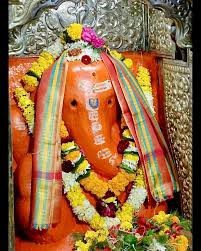
Key Details of Varadvinayak Temple, Mahad:
Significance: It is the 4th (or sometimes 7th) temple visited in the Ashtavinayak Yatra.
Location: Situated in Mahad village, Khalapur taluka, Raigad district, accessible via the Mumbai-Pune Expressway (approx. 70 km from Mumbai).
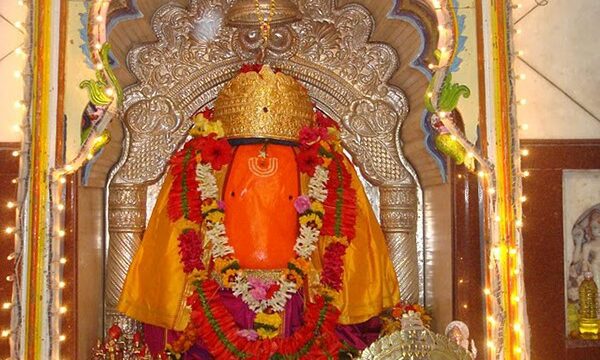
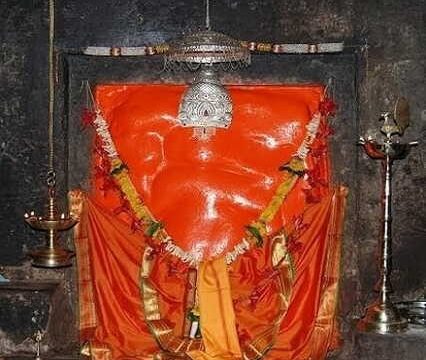
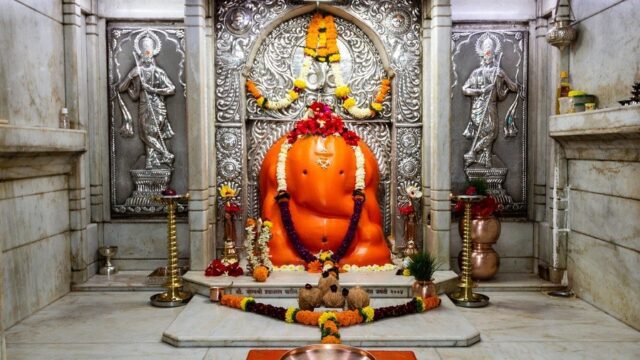
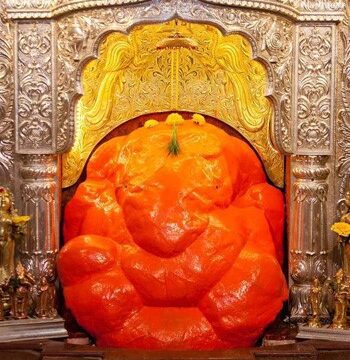
Idol & Architecture: The swayambhu idol is seated, with the trunk turned to the left. The temple is known for its simple structure, often featuring a 25-foot dome and surrounded by stone elephant statues.
Unique Aspects: It is the only Ashtavinayak temple where devotees are allowed to enter the inner sanctum sanctorum (Gabhara) to worship the idol directly.
Perpetual Lamp: A lamp (Nandadeep) in the temple is believed to have been burning continuously since 1892.
History: The temple was constructed in 1725 by Ramji Mahadev Biwalkar, a noble under the Maratha Empire.
Important Festivals: Ganesh Chaturthi and Magha Utsav are celebrated with great fervor.
Description
Key Details of Varadvinayak Temple, Mahad:
Significance: It is the 4th (or sometimes 7th) temple visited in the Ashtavinayak Yatra.
Location: Situated in Mahad village, Khalapur taluka, Raigad district, accessible via the Mumbai-Pune Expressway (approx. 70 km from Mumbai).
Idol & Architecture: The swayambhu idol is seated, with the trunk turned to the left. The temple is known for its simple structure, often featuring a 25-foot dome and surrounded by stone elephant statues.
Unique Aspects: It is the only Ashtavinayak temple where devotees are allowed to enter the inner sanctum sanctorum (Gabhara) to worship the idol directly.
Perpetual Lamp: A lamp (Nandadeep) in the temple is believed to have been burning continuously since 1892.
History: The temple was constructed in 1725 by Ramji Mahadev Biwalkar, a noble under the Maratha Empire.
Important Festivals: Ganesh Chaturthi and Magha Utsav are celebrated with great fervor.