-
Chintamani Temple
-
 Maharashtra, Theur
 -
April 10, 2026
-
-
0.00

 April 10, 2026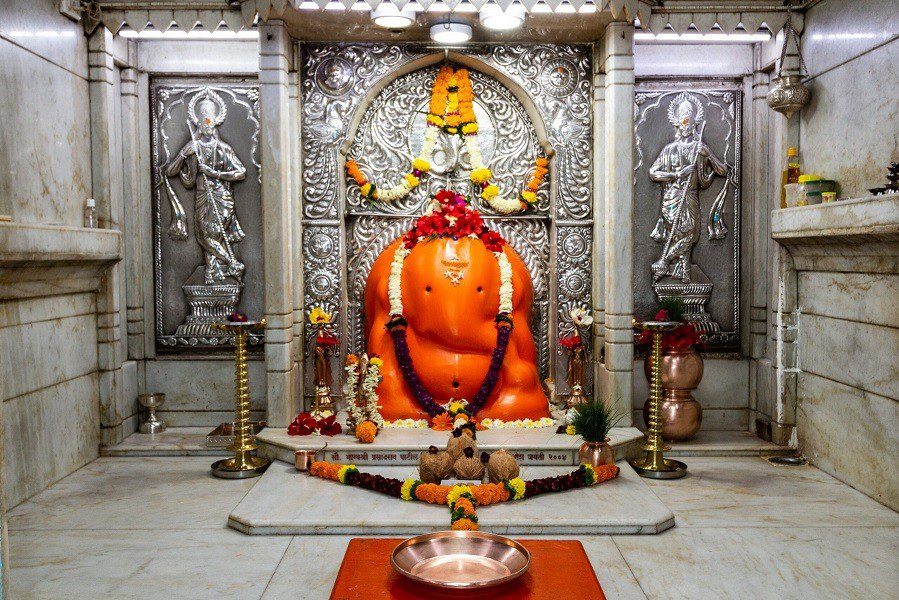
The Chintamani Temple in Theur, Maharashtra, is a historic Hindu temple dedicated to Ganesha, specifically representing him as the “remover of worries” (Chintamani). It is one of the eight esteemed [Ashtavinayak temples], famous for its Swayambhu (self-manifested) idol with a left-turned trunk and diamond-studded eyes, located 27km from Pune.
Key Details About Chintamani Temple, Theur:
Significance: It is the fifth temple visited during the Ashtavinayak Yatra. Legend states Lord Brahma meditated here to calm his restless mind, hence it is known as “Sthāvara Kṣetra”.
Architecture: The temple features traditional Hemadpanthi architecture, including a wooden temple hall (mandapa), a stone courtyard, and a water tank.
History & Patronage: It was closely associated with the Peshwa dynasty, particularly Peshwa Madhavrao I, who frequently visited and renovated it. It was the family deity of the Peshwa family.
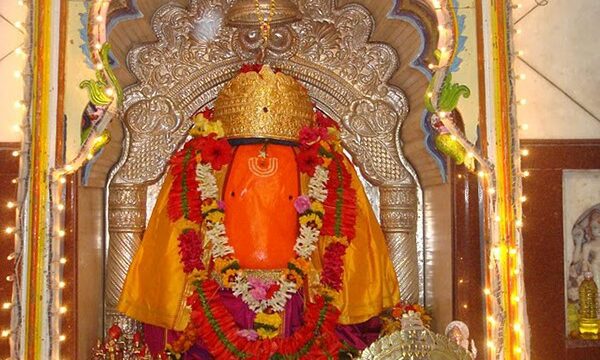
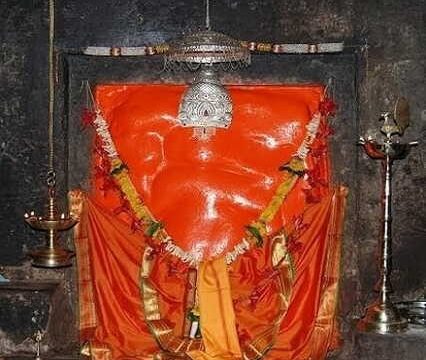
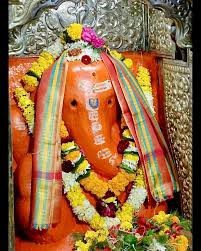
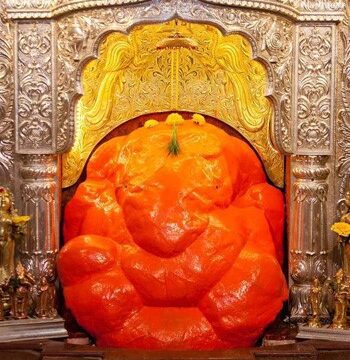
Idol: The idol is self-manifested (Swayambhu), faces east, and is sitting in a cross-legged position with jewels embedded in the eyes.
Location: Theur, 22 km from Pune city, located at the confluence of the Bhima, Mula, and Mutha rivers.
Visiting Info: The temple is open daily from 6:00 AM to 10:00 PM, with high crowds on Tuesdays and during Ganesh Chaturthi.
Description
The Chintamani Temple in Theur, Maharashtra, is a historic Hindu temple dedicated to Ganesha, specifically representing him as the “remover of worries” (Chintamani). It is one of the eight esteemed [Ashtavinayak temples], famous for its Swayambhu (self-manifested) idol with a left-turned trunk and diamond-studded eyes, located 27km from Pune.
Key Details About Chintamani Temple, Theur:
Significance: It is the fifth temple visited during the Ashtavinayak Yatra. Legend states Lord Brahma meditated here to calm his restless mind, hence it is known as “Sthāvara Kṣetra”.
Architecture: The temple features traditional Hemadpanthi architecture, including a wooden temple hall (mandapa), a stone courtyard, and a water tank.
History & Patronage: It was closely associated with the Peshwa dynasty, particularly Peshwa Madhavrao I, who frequently visited and renovated it. It was the family deity of the Peshwa family.
Idol: The idol is self-manifested (Swayambhu), faces east, and is sitting in a cross-legged position with jewels embedded in the eyes.
Location: Theur, 22 km from Pune city, located at the confluence of the Bhima, Mula, and Mutha rivers.
Visiting Info: The temple is open daily from 6:00 AM to 10:00 PM, with high crowds on Tuesdays and during Ganesh Chaturthi.