
Shivanna - Shiva Puran
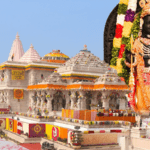
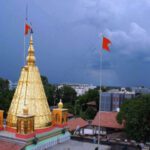
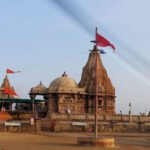
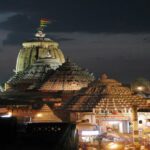
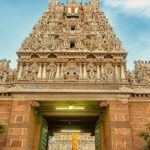
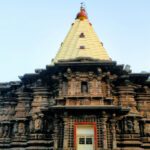
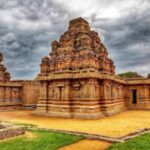
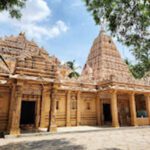
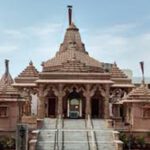
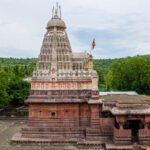
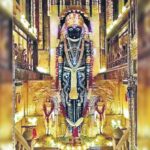
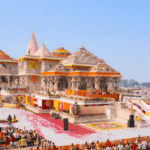
The Shiva Purana is one of the 18 Mahāpurāṇas of Hindu tradition and is dedicated entirely to Lord Shiva, the Supreme Being in Shaivism
Origin & Authorship
-Traditionally attributed to Maharshi Ved Vyasa, the great sage who compiled the Vedas and Puranas
-It was originally composed in Sanskrit.
-Like other Puranas, it was transmitted orally first, then written down over centuries.
Structure of Shiva Purana
The Shiva Purana exists in different versions. The most accepted traditional version contains 7 Samhitas (sections)
1.Vidyesvara Samhit
2.Rudra Samhita
3.Satarudra Samhita
4.Kotirudra Samhita
5.Uma Samhita
6.Kailasa Samhita
7.Vayaviya Samhita
Main Themes
– Creation, preservation, and destruction of the universe
– Glory of Lord Shiva as the Supreme Reality (Parabrahma)
– Stories of Shiva–Parvati, Ganesha, Kartikeya
– Importance of Bhakti (devotion), Jnana (knowledge), and Vairagya (detachment)
– Explanation of Shaiva philosophy, yoga, and rituals
– Sacred importance of Jyotirlingas
Historical Development
The Ramcharitmanas is divided into seven Kands (books), mirroring the Ramayana:
– Scholars believe the text was compiled and expanded between 4th–10th century CE
– regions (North & South India) preserved slightly different recensions
– It played a major role in the growth of Shaivism across India
Religious Importance
-Considered one of the most authoritative texts of Shaiva Dharma
-Regularly recited during Mahashivaratri and Shiva worship
-Teaches that Shiva is both Nirguna (formless) and Saguna (with form)