Muralidhar – An Avatar Name of Lord Krishna
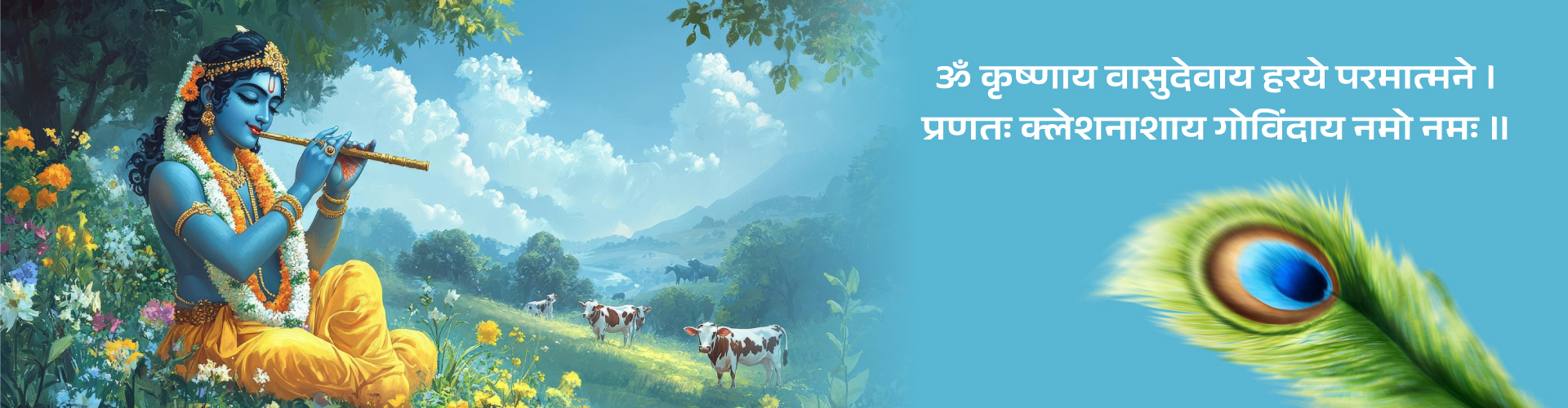
Muralidhar is one of the most beloved names of Lord Krishna, the eighth avatar of Lord Vishnu.
The word “Muralidhar” is derived from two Sanskrit words:
• Murali – Flute
• Dhar – One who holds
Thus, Muralidhar means “The one who holds the flute.”
Spiritual Significance
Lord Krishna is often depicted playing the Murali (flute), enchanting all living beings—humans, animals, birds, and even nature itself.
The flute symbolizes the human soul, which becomes divine music when emptied of ego and surrendered to God.
Historical and Scriptural Background
The form of Krishna as Muralidhar is mainly associated with his life in Vrindavan during the Dwapara Yuga.
This period is described in sacred texts such as:
• Bhagavata Purana
• Harivamsa Purana
• Vishnu Purana
• Mahabharata
In Vrindavan, Krishna played his flute to spread divine love (Bhakti).
The sound of the Murali attracted the Gopis, representing the soul’s longing for union with the Supreme.
Philosophical Meaning
Muralidhar represents:
• Divine love and attraction
• Supreme bliss (Ananda)
• The call of God to humanity
• Harmony between God and nature
Vishnu Avatar Context
As an avatar of Lord Vishnu, Krishna appeared to restore Dharma (righteousness), destroy evil forces, and guide humanity.
The Muralidhar form emphasizes love and devotion rather than power and destruction.
Cultural Importance
Krishna as Muralidhar is worshipped widely in India, especially in:
• Vrindavan
• Mathura
• Govardhan
• ISKCON temples worldwide
Conclusion
Muralidhar is not just a form of Krishna but a spiritual symbol of divine love.
The flute teaches that when we surrender ourselves completely, God’s music flows through us, bringing peace and joy to the world.