-
Vrindavan Shaktipeeth Temple
-
 Mathura, Uttar Pradesh
 -
December 19, 2025
-
-
0.00

 December 19, 2025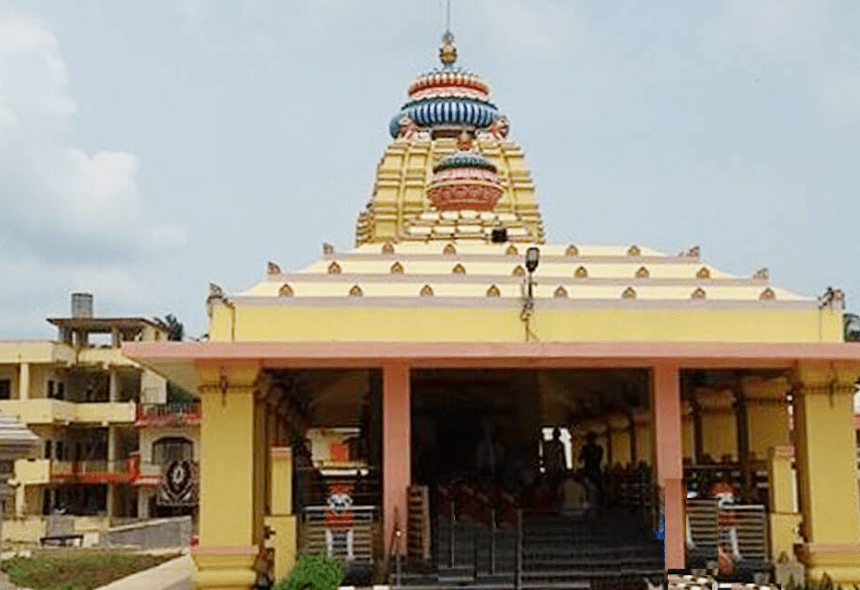
Important Days and Dates
- Navratri – Most important festival with special worship on the 6th day dedicated to Goddess Katyayani.
- Daily worship rituals and special events related to divine feminine devotion occur throughout the year.
How to Reach
Delhi to Vrindavan Shaktipeeth
- Distance: Approximately 180 km via Yamuna Expressway.
- Travel Time: Around 3–4 hours by car.
- Trains/Buses available to Mathura, then 30-minute local ride to Vrindavan.
Ahmedabad to Vrindavan Shaktipeeth
- Distance: Approximately 750 km.
- Travel Options: Flight/train to Delhi, Agra, or Mathura, then drive to Vrindavan.
- Train Travel Time: Around 17 hours to Mathura, then local transport to Vrindavan.
History of the Temple
Vrindavan Shaktipeeth, also known as Katyayani Shakti Peeth, is one of the 51 sacred Shakti Peethas in India. It is believed that a lock of Goddess Sati’s hair fell at this very spot, giving it immense spiritual significance. Here, the Goddess is worshipped as Katyayani or Uma, and Lord Shiva is revered as Bhotesh.
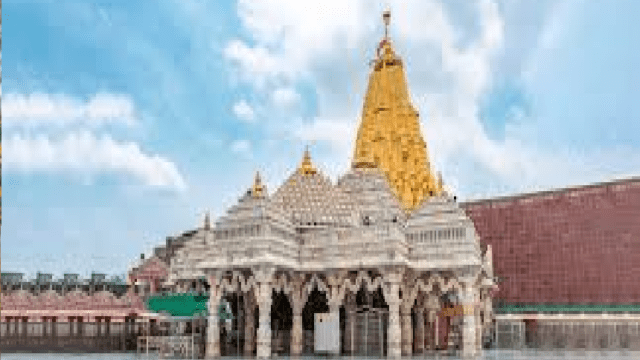
The present temple structure was established in 1923 and is known for its beautiful white marble architecture supported by black stone pillars. The entrance is guarded by golden lion statues, representing the divine vehicle of the Goddess. A sacred sword known as ‘Uchawal Chandrahaas’ is also preserved within the temple.
Devotees believe that worshipping here fulfills wishes, especially for finding a suitable life partner—a tradition rooted in the ancient worship practices of the Gopis in Vrindavan.
- Daily Mangala Aarti & Sandhya Aarti: Core daily worship with lamps, mantras, and offerings
- Durga Saptashati (Shatchandi Paath): Regular recitation, especially during Navratri
- Bhog Aarti: Midday food offering to the Goddess.
- Navratri Special Havan & Poojas: Performed during Chaitra and Sharadiya Navratri.
Important Days and Times for Pooja
-
Major Festival:
- Chaitra & Sharadiya Navratri
- Katyayani Vrat
- Krishna Janmashtami
- Holi
- Diwali
- Basant Panchami
-
Auspicious Days:
- Fridays
- Full Moon (Purnima)
- All Navratri days
-
Daily Temple Timings:
- Morning: 6:30 AM – 12:30 PM
- Evening: 4:00 PM – 8:30 PM
Attire (Dressing Guidelines) for Pooja
-
Men:
- Kurta-pajama, dhoti, or full-length trousers
-
Women:
- Saree, salwar-kameez, long skirts
- Dupatta or head covering recommended
-
Restrictions:
- Avoid shorts, sleeveless or revealing clothing
- Footwear not allowed inside temple premises
Official Websites
Mathura–Vrindavan Tourism Portal
No officially published Temple Trust website available
Description
Important Days and Dates
- Navratri – Most important festival with special worship on the 6th day dedicated to Goddess Katyayani.
- Daily worship rituals and special events related to divine feminine devotion occur throughout the year.
How to Reach
Delhi to Vrindavan Shaktipeeth
- Distance: Approximately 180 km via Yamuna Expressway.
- Travel Time: Around 3–4 hours by car.
- Trains/Buses available to Mathura, then 30-minute local ride to Vrindavan.
Ahmedabad to Vrindavan Shaktipeeth
- Distance: Approximately 750 km.
- Travel Options: Flight/train to Delhi, Agra, or Mathura, then drive to Vrindavan.
- Train Travel Time: Around 17 hours to Mathura, then local transport to Vrindavan.
History of the Temple
Vrindavan Shaktipeeth, also known as Katyayani Shakti Peeth, is one of the 51 sacred Shakti Peethas in India. It is believed that a lock of Goddess Sati’s hair fell at this very spot, giving it immense spiritual significance. Here, the Goddess is worshipped as Katyayani or Uma, and Lord Shiva is revered as Bhotesh.
The present temple structure was established in 1923 and is known for its beautiful white marble architecture supported by black stone pillars. The entrance is guarded by golden lion statues, representing the divine vehicle of the Goddess. A sacred sword known as ‘Uchawal Chandrahaas’ is also preserved within the temple.
Devotees believe that worshipping here fulfills wishes, especially for finding a suitable life partner—a tradition rooted in the ancient worship practices of the Gopis in Vrindavan.
- Daily Mangala Aarti & Sandhya Aarti: Core daily worship with lamps, mantras, and offerings
- Durga Saptashati (Shatchandi Paath): Regular recitation, especially during Navratri
- Bhog Aarti: Midday food offering to the Goddess.
- Navratri Special Havan & Poojas: Performed during Chaitra and Sharadiya Navratri.
Important Days and Times for Pooja
-
Major Festival:
- Chaitra & Sharadiya Navratri
- Katyayani Vrat
- Krishna Janmashtami
- Holi
- Diwali
- Basant Panchami
-
Auspicious Days:
- Fridays
- Full Moon (Purnima)
- All Navratri days
-
Daily Temple Timings:
- Morning: 6:30 AM – 12:30 PM
- Evening: 4:00 PM – 8:30 PM
Attire (Dressing Guidelines) for Pooja
-
Men:
- Kurta-pajama, dhoti, or full-length trousers
-
Women:
- Saree, salwar-kameez, long skirts
- Dupatta or head covering recommended
-
Restrictions:
- Avoid shorts, sleeveless or revealing clothing
- Footwear not allowed inside temple premises
Official Websites
Mathura–Vrindavan Tourism Portal
No officially published Temple Trust website available