-
Vaishno Devi Temple
-
 Jammu_&_Kashmir, Reasi
 -
December 19, 2025
-
-
0.00

 December 19, 2025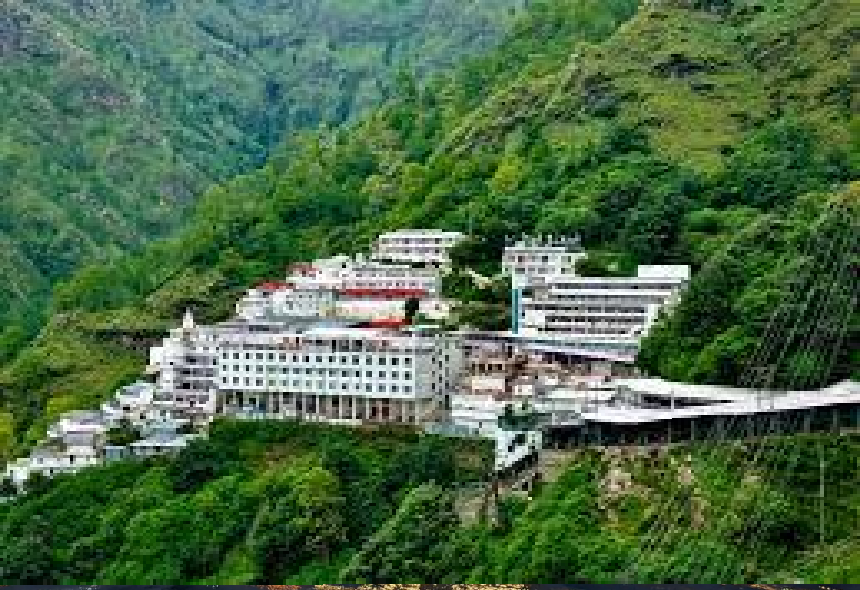
Important Days and Dates
- Navratri (March–April and September–October): The most significant festival celebrated at Vaishno Devi.
- Diwali: Special prayers and decorations around the shrine.
- New Year: Large number of devotees visit the temple.
- Poornima (Full Moon Days): Considered highly auspicious for the Darshan.
How to Reach
Delhi to Vaishno Devi
- By Air: Fly from Delhi to Jammu Airport. From Jammu, take a taxi or bus to Katra (approx. 50 km). Then trek 12–13 km to the shrine.
- By Train: Direct trains are available from New Delhi to Katra (Shri Mata Vaishno Devi Katra Railway Station).
- By Road: Delhi → Ambala → Ludhiana → Jalandhar → Pathankot → Jammu → Katra (approx. 650 km).
Ahmedabad to Vaishno Devi
- By Air: Fly from Ahmedabad to Jammu Airport (via Delhi). From Jammu, take a taxi or bus to Katra.
- By Train: Trains are available from Ahmedabad to Katra (some direct, some via Delhi or Jammu).
- By Road: Ahmedabad → Udaipur → Jaipur → Delhi → Jammu → Katra (long road journey).
History of the Temple
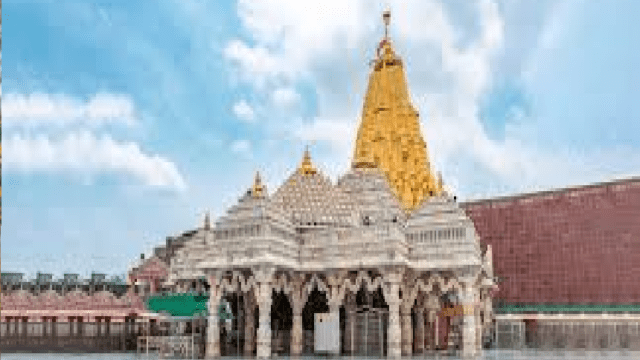
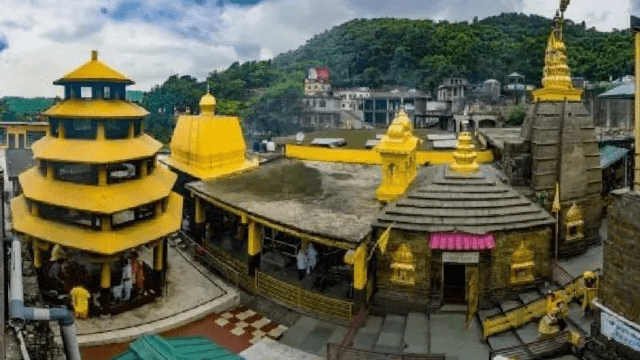
The Vaishno Devi Temple, located in the Trikuta Mountains of Jammu & Kashmir, is one of India’s most sacred pilgrimage sites. It is dedicated to Goddess Vaishno Devi, a manifestation of Goddess Durga. According to legend, Vaishno Devi undertook deep meditation in the cave while fleeing from Bhairon Nath, a tantric who pursued her. After the Goddess revealed her divine form and defeated Bhairon Nath, she decided to reside permanently in the holy cave. The temple’s sanctum houses three natural rock formations known as ‘Pindis,’ representing Maha Kali, Maha Lakshmi, and Maha Saraswati. The pilgrimage to Vaishno Devi has been revered for centuries and continues to attract millions of devotees every year.
Main Poojas Performed
-
- Morning (Mangala) Aarti – Performed before sunrise; primary daily ritual.
- Evening (Sandhya) Aarti – Performed after sunset; marks the close of the day’s worship.
- Havan / Yagyashala Pooja – Fire ritual with Vedic mantras for devotees’ welfare.
- Individual/Special Poojas – Performed on behalf of devotees through the Shrine Board.
Important Days and Times for Pooja
- Major Festival:
- Navratri (Chaitra & Sharadiya
- Ram Navami
- Mahashivratri
- Diwali
- Auspicious Days:
- Entire Navratri period is highly significant.
- Special Days:
- Special aartis and bhajan programs during Navratri.
Attire (Dressing Guidelines) for Pooja
Modest and traditional clothing is recommended.
- Men:
- Kurta-pajama, trousers with shirts.
- Women:
- Saree, salwar kameez, long dresses.
- Restrictions:
- Avoid revealing or inappropriate attire.
Official Websites
Shrine Board Official Website:
https://www.maavaishnodevi.org
Online Services Portal:
https://online.maavaishnodevi.org
Description
Important Days and Dates
- Navratri (March–April and September–October): The most significant festival celebrated at Vaishno Devi.
- Diwali: Special prayers and decorations around the shrine.
- New Year: Large number of devotees visit the temple.
- Poornima (Full Moon Days): Considered highly auspicious for the Darshan.
How to Reach
Delhi to Vaishno Devi
- By Air: Fly from Delhi to Jammu Airport. From Jammu, take a taxi or bus to Katra (approx. 50 km). Then trek 12–13 km to the shrine.
- By Train: Direct trains are available from New Delhi to Katra (Shri Mata Vaishno Devi Katra Railway Station).
- By Road: Delhi → Ambala → Ludhiana → Jalandhar → Pathankot → Jammu → Katra (approx. 650 km).
Ahmedabad to Vaishno Devi
- By Air: Fly from Ahmedabad to Jammu Airport (via Delhi). From Jammu, take a taxi or bus to Katra.
- By Train: Trains are available from Ahmedabad to Katra (some direct, some via Delhi or Jammu).
- By Road: Ahmedabad → Udaipur → Jaipur → Delhi → Jammu → Katra (long road journey).
History of the Temple
The Vaishno Devi Temple, located in the Trikuta Mountains of Jammu & Kashmir, is one of India’s most sacred pilgrimage sites. It is dedicated to Goddess Vaishno Devi, a manifestation of Goddess Durga. According to legend, Vaishno Devi undertook deep meditation in the cave while fleeing from Bhairon Nath, a tantric who pursued her. After the Goddess revealed her divine form and defeated Bhairon Nath, she decided to reside permanently in the holy cave. The temple’s sanctum houses three natural rock formations known as ‘Pindis,’ representing Maha Kali, Maha Lakshmi, and Maha Saraswati. The pilgrimage to Vaishno Devi has been revered for centuries and continues to attract millions of devotees every year.
Main Poojas Performed
-
- Morning (Mangala) Aarti – Performed before sunrise; primary daily ritual.
- Evening (Sandhya) Aarti – Performed after sunset; marks the close of the day’s worship.
- Havan / Yagyashala Pooja – Fire ritual with Vedic mantras for devotees’ welfare.
- Individual/Special Poojas – Performed on behalf of devotees through the Shrine Board.
Important Days and Times for Pooja
- Major Festival:
- Navratri (Chaitra & Sharadiya
- Ram Navami
- Mahashivratri
- Diwali
- Auspicious Days:
- Entire Navratri period is highly significant.
- Special Days:
- Special aartis and bhajan programs during Navratri.
Attire (Dressing Guidelines) for Pooja
Modest and traditional clothing is recommended.
- Men:
- Kurta-pajama, trousers with shirts.
- Women:
- Saree, salwar kameez, long dresses.
- Restrictions:
- Avoid revealing or inappropriate attire.
Official Websites
Shrine Board Official Website:
https://www.maavaishnodevi.org
Online Services Portal:
https://online.maavaishnodevi.org