
 December 19, 2025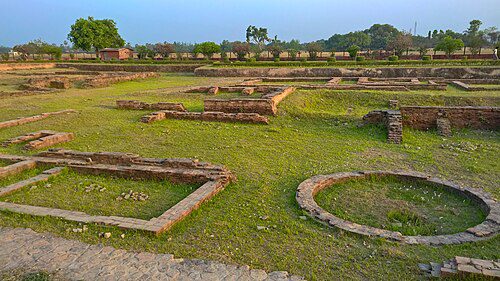
Important Days and Dates
How to Reach
Delhi to Vaishali:
- By Air: Fly from Delhi to Patna Airport (approx. 1 hr 40 min). From Patna, Vaishali is about 70 km (2 hrs by road).
- By Train: Direct trains available from New Delhi to Hajipur/Patna. From there, Vaishali is well connected by road.
- By Road: Delhi to Vaishali via Lucknow – approx. 1,050 km drive.
Ahmedabad to Vaishali:
- By Air: Fly from Ahmedabad to Patna Airport (approx. 2 hrs 10 min via direct/connecting flights). Then travel 70 km by road to Vaishali.
- By Train: Trains available from Ahmedabad to Patna/Hajipur.
- By Road: Ahmedabad–Vaishali distance approx. 1,550 km.
History of the Temple
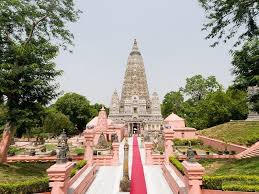
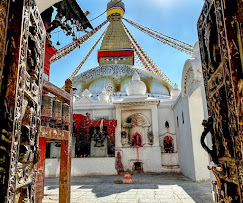
Vaishali, located in Bihar, is one of the most ancient cities in India and an important Buddhist pilgrimage site. It is believed to be the place where Lord Buddha delivered his last sermon before attaining Mahaparinirvana. Emperor Ashoka later visited Vaishali and erected a commemorative Lion Pillar, which still stands today.
Vaishali was also the capital of the Licchavi Republic, one of the earliest known republics in world history. It holds great cultural, historical, and spiritual significance for Buddhists across the world.
-
Dhamma Puja / Homage to Buddha:
- Offerings of flowers, incense, lamps, and chanting in reverence to Lord Buddha’s relics.
-
Chanting and Sutra Recitation:
- Recitation of Buddhist scriptures by monks and devotees during important occasions.
-
Meditation Practices:
- Silent or guided meditation near the stupa for spiritual reflection.
Important Days and Times for Rituals
- Buddha Purnima (Vesak): Celebrates birth, enlightenment, and parinirvana of Lord Buddha.
- Asalha Puja (Dharma Day): Marks the first sermon of Buddha.
- Magha Puja: Commemorates a key assembly of Buddha’s disciples.
- Full Moon (Uposatha) Days: Observed with prayers, meditation, and ethical reflection.
Attire (Dressing Guidelines) for Pooja
-
Men:
- Traditional or modest attire such as kurta-pajama or full-length trousers.
-
Women:
- Saree, salwar-kameez, or long modest dresses.
-
Restrictions:
- Modest clothing required.
- Footwear must be removed near sacred areas
Official Websites
- Bihar Tourism – Buddha Relic Stupa, Vaishali:
-
Temple Trust Website:
- No official temple trust website is currently available.
Description
Important Days and Dates
How to Reach
Delhi to Vaishali:
- By Air: Fly from Delhi to Patna Airport (approx. 1 hr 40 min). From Patna, Vaishali is about 70 km (2 hrs by road).
- By Train: Direct trains available from New Delhi to Hajipur/Patna. From there, Vaishali is well connected by road.
- By Road: Delhi to Vaishali via Lucknow – approx. 1,050 km drive.
Ahmedabad to Vaishali:
- By Air: Fly from Ahmedabad to Patna Airport (approx. 2 hrs 10 min via direct/connecting flights). Then travel 70 km by road to Vaishali.
- By Train: Trains available from Ahmedabad to Patna/Hajipur.
- By Road: Ahmedabad–Vaishali distance approx. 1,550 km.
History of the Temple
Vaishali, located in Bihar, is one of the most ancient cities in India and an important Buddhist pilgrimage site. It is believed to be the place where Lord Buddha delivered his last sermon before attaining Mahaparinirvana. Emperor Ashoka later visited Vaishali and erected a commemorative Lion Pillar, which still stands today.
Vaishali was also the capital of the Licchavi Republic, one of the earliest known republics in world history. It holds great cultural, historical, and spiritual significance for Buddhists across the world.
-
Dhamma Puja / Homage to Buddha:
- Offerings of flowers, incense, lamps, and chanting in reverence to Lord Buddha’s relics.
-
Chanting and Sutra Recitation:
- Recitation of Buddhist scriptures by monks and devotees during important occasions.
-
Meditation Practices:
- Silent or guided meditation near the stupa for spiritual reflection.
Important Days and Times for Rituals
- Buddha Purnima (Vesak): Celebrates birth, enlightenment, and parinirvana of Lord Buddha.
- Asalha Puja (Dharma Day): Marks the first sermon of Buddha.
- Magha Puja: Commemorates a key assembly of Buddha’s disciples.
- Full Moon (Uposatha) Days: Observed with prayers, meditation, and ethical reflection.
Attire (Dressing Guidelines) for Pooja
-
Men:
- Traditional or modest attire such as kurta-pajama or full-length trousers.
-
Women:
- Saree, salwar-kameez, or long modest dresses.
-
Restrictions:
- Modest clothing required.
- Footwear must be removed near sacred areas
Official Websites
- Bihar Tourism – Buddha Relic Stupa, Vaishali:
-
Temple Trust Website:
- No official temple trust website is currently available.