-
Srimushnam Temple
-
 Cuddalore, Tamil_Nadu
 -
January 2, 2026
-
-
0.00

 January 2, 2026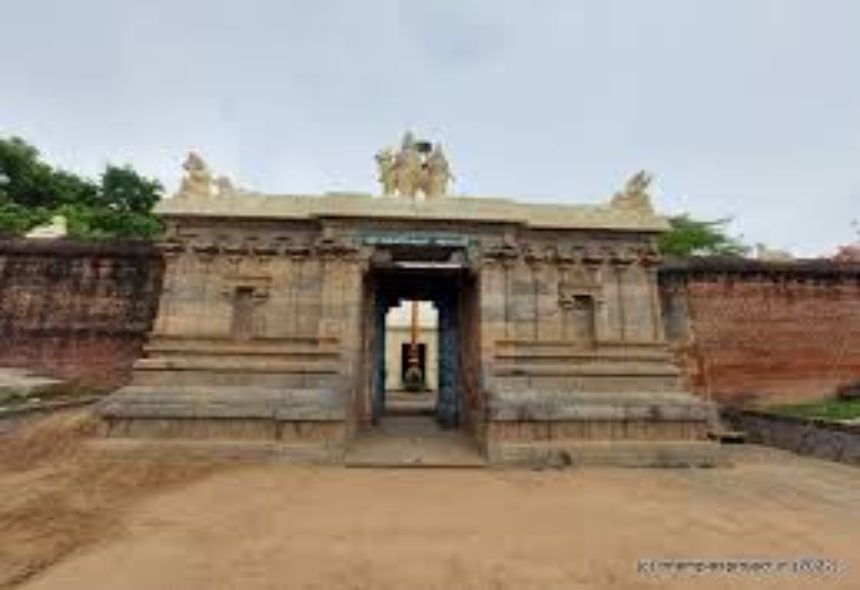
Important Days and Dates
- Vaikunta Ekadashi – Major celebration with special rituals.
- Panguni Uthiram – Significant festival dedicated to Lord Vishnu.
- Tamil New Year – Temple festivities and special poojas.
- Purattasi Saturdays – Highly auspicious for Lord Vishnu devotees.
How to Reach
Delhi to Srimushnam (TN)
- By Air: Fly from Delhi (DEL) to Chennai (MAA) or Tiruchirappalli (TRZ). From there, Srimushnam is reachable via road (approx. 3–4 hours from TRZ and 5–6 hours from Chennai).
- By Train: Take a train from Delhi to Cuddalore, Vridhachalam, or Chidambaram. Then travel by road to Srimushnam (30–60 km depending on station).
- By Road: Direct road travel from Delhi is not practical due to long distance.
Ahmedabad to Srimushnam (TN)
- By Air: Fly from Ahmedabad (AMD) to Chennai (MAA) or Tiruchirappalli (TRZ). Road travel to Srimushnam is 3–6 hours depending on the airport.
- By Train: Take a long-distance train to Cuddalore, Chidambaram, or Vridhachalam, then travel by taxi or bus to Srimushnam.
- By Road: Long-distance road travel is possible but not recommended due to time.
History of the Temple
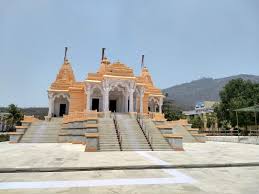
Srimushnam Temple, also known as Bhu Varaha Swamy Temple, is one of the most sacred temples dedicated to Lord Vishnu in his Varaha (boar) avatar. It is considered one of the eight Svayam Vyakta Kshetras, where the Lord is believed to have manifested on his own. According to legend, this is the place where Lord Varaha rescued Goddess Bhudevi from the depths of the cosmic ocean.
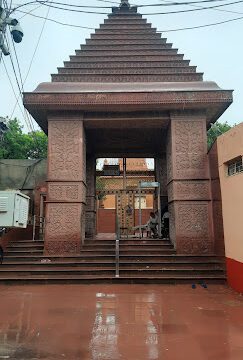
The temple is renowned for its ancient Dravidian architecture, large temple tank, and unique traditions. A notable feature is that devotees from all communities, including non-Hindus, visit this temple, especially during Panguni Uthiram. The presiding deity, Bhu Varaha Swamy, is believed to be extremely powerful and grants boons related to prosperity, protection, and family well‑being.
The temple has been patronized by various South Indian dynasties including the Cholas, Pandyas, and Nayaks, who contributed to its expansion and maintenance across centuries.
Description
Important Days and Dates
- Vaikunta Ekadashi – Major celebration with special rituals.
- Panguni Uthiram – Significant festival dedicated to Lord Vishnu.
- Tamil New Year – Temple festivities and special poojas.
- Purattasi Saturdays – Highly auspicious for Lord Vishnu devotees.
How to Reach
Delhi to Srimushnam (TN)
- By Air: Fly from Delhi (DEL) to Chennai (MAA) or Tiruchirappalli (TRZ). From there, Srimushnam is reachable via road (approx. 3–4 hours from TRZ and 5–6 hours from Chennai).
- By Train: Take a train from Delhi to Cuddalore, Vridhachalam, or Chidambaram. Then travel by road to Srimushnam (30–60 km depending on station).
- By Road: Direct road travel from Delhi is not practical due to long distance.
Ahmedabad to Srimushnam (TN)
- By Air: Fly from Ahmedabad (AMD) to Chennai (MAA) or Tiruchirappalli (TRZ). Road travel to Srimushnam is 3–6 hours depending on the airport.
- By Train: Take a long-distance train to Cuddalore, Chidambaram, or Vridhachalam, then travel by taxi or bus to Srimushnam.
- By Road: Long-distance road travel is possible but not recommended due to time.
History of the Temple
Srimushnam Temple, also known as Bhu Varaha Swamy Temple, is one of the most sacred temples dedicated to Lord Vishnu in his Varaha (boar) avatar. It is considered one of the eight Svayam Vyakta Kshetras, where the Lord is believed to have manifested on his own. According to legend, this is the place where Lord Varaha rescued Goddess Bhudevi from the depths of the cosmic ocean.
The temple is renowned for its ancient Dravidian architecture, large temple tank, and unique traditions. A notable feature is that devotees from all communities, including non-Hindus, visit this temple, especially during Panguni Uthiram. The presiding deity, Bhu Varaha Swamy, is believed to be extremely powerful and grants boons related to prosperity, protection, and family well‑being.
The temple has been patronized by various South Indian dynasties including the Cholas, Pandyas, and Nayaks, who contributed to its expansion and maintenance across centuries.