
 February 2, 2026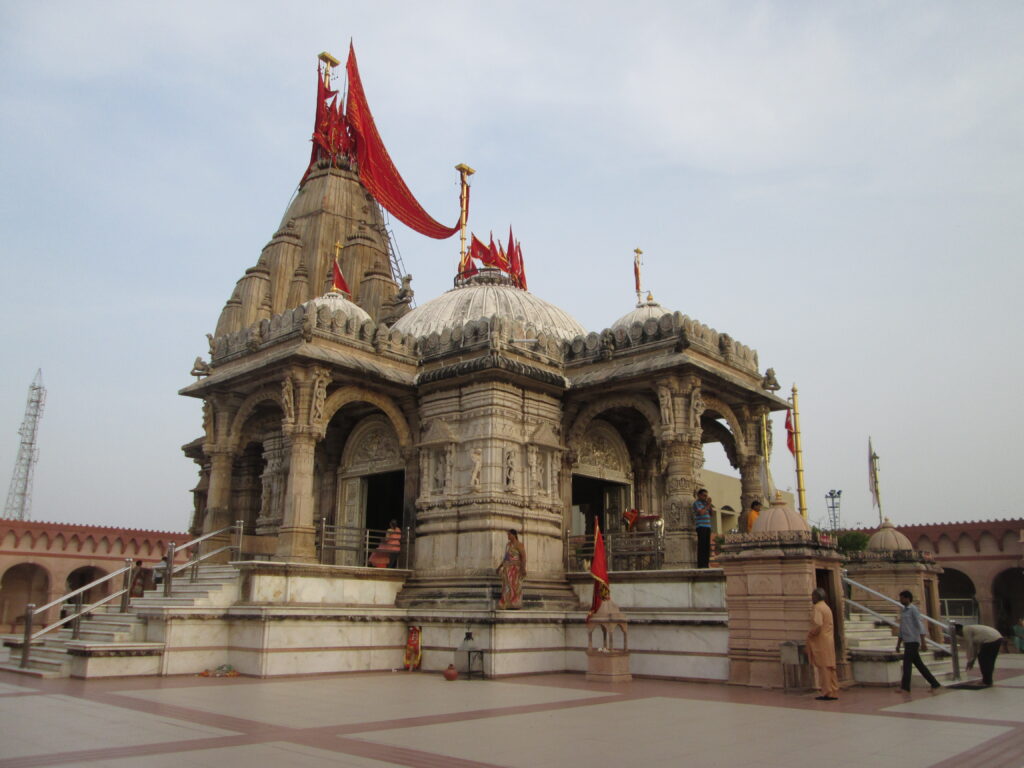
Important Days and Dates
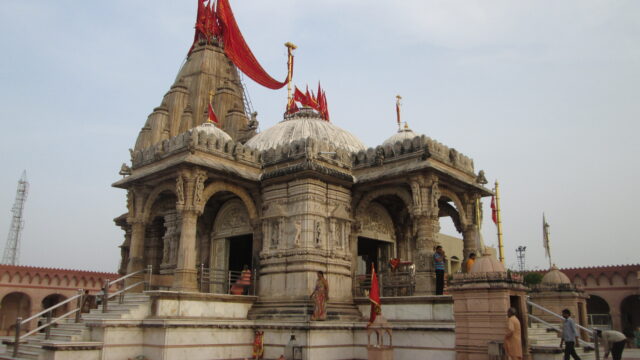
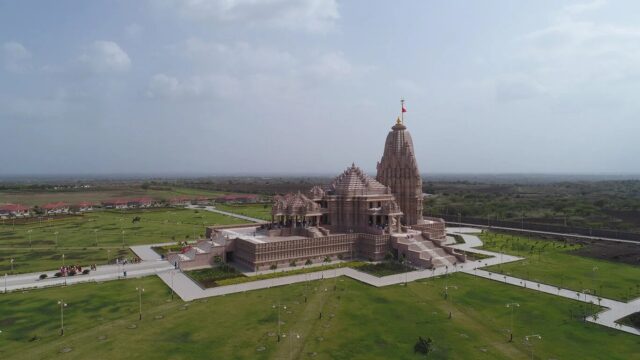
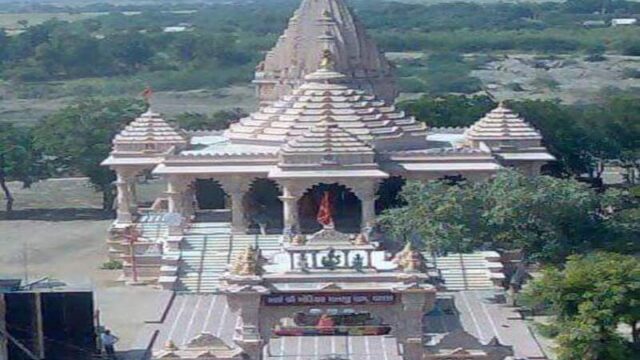
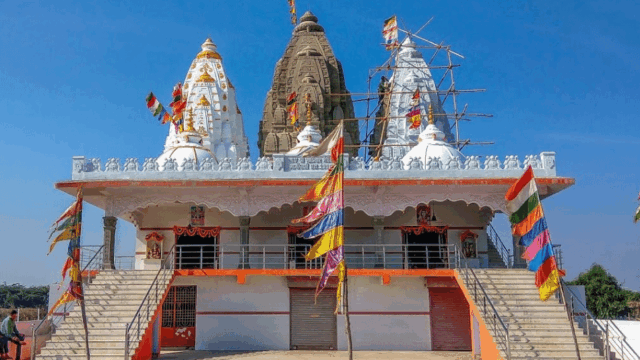
The Shree Umiya Mata Mandir located in Chitri village, Dungarpur district, Rajasthan, is a significant spiritual center for the Patidar community in the Vagad region. It is dedicated to Goddess Umiya, the kuldevi (family deity) of the Kadva Patidars.
Below are the details for your visit:
The temple follows the lunar calendar for its most significant celebrations:
- Navratri (Ashwin and Chaitra): These are the most vital periods. The nine nights of Navratri involve special decorations, Garba, and continuous prayers.
- Aaso Sud 8 (Ashwin Shukla Ashtami): Known as Havan Ashtami, where a grand sacrificial fire (Yagna/Havan) is performed.
- Patotsav: The anniversary of the temple’s idol installation is celebrated with great fervor, often featuring a procession (Shobha Yatra).
- Full Moon Days (Purnima): Every Purnima attracts a larger number of devotees for special evening Aartis.
How to Reach
Chitri is located approximately 35 km from Sagwara and 60 km from Dungarpur city.
From Delhi to Temple
- By Air: Fly from Delhi (DEL) to Udaipur (UDR). From Udaipur airport, hire a private taxi or take a bus to Chitri (approx. 140 km / 3-hour drive).
- By Train:Take a train from Delhi to Udaipur City or Dungarpur (e.g., Mewar Express). From the station, local buses or taxis are available to Chitri.
- By Road: Drive via NH48 (Delhi-Jaipur-Udaipur-Dungarpur-Chitri). This is a long journey of about 750 km.
From Ahmedabad to Temple
- By Road: This is the most popular route. Drive via Himmatnagar and Shamlaji towards Dungarpur/Sagwara. The distance is approximately 180 km (approx. 4-hour drive).
- By Bus: Direct GSRTC and RSRTC (Rajasthan State Transport) buses run from Ahmedabad to Sagwara or Dungarpur. From there, local transport is easily available to Chitri village.
About History of the Temple
The temple in Chitri serves as a regional branch of the main Umiya Dham in Unjha, Gujarat. Legend holds that Goddess Umiya was established by Lord Shiva himself. The Chitri temple was built to cater to the large Patidar population in Rajasthan who could not frequently travel to Unjha. It acts not only as a religious site but also as a community hub for social welfare and gatherings for the local “Vagad” Patidar community.
Main Poojas Performed
The rituals follow traditional Vedic and Shakta customs:
- Mangla Aarti (Morning): The first prayer of the day performed at dawn to wake the Goddess.
- Shringar Aarti: Performed after the deity is dressed in new clothes and jewelry.
- Sandhya Aarti (Evening): The main evening prayer, which is highly attended.
- Havan / Yagna: Performed on special occasions like Navratri to seek universal peace and prosperity.
- Maha Pooja: A detailed ritual involving Abhishek (holy bath) and offering of Chunri and Prasad, usually done by families upon request.
Attire (Dressing Guidelines)
The temple maintains a traditional environment.
Men:Recommended to wear Dhoti-Kurta or Kurta-Pyjama. Formal shirts and trousers are generally accepted, but shorts and sleeveless tops are discouraged.
Women:Recommended to wear Saree or Salwar Kameez with a dupatta.
Requirements:Footwear must be removed outside the main sanctum. Head covering is often seen as a sign of respect during the Aarti.
Official Websites
- Government Website:dungarpur.rajasthan.gov.in (General district info).
- Temple Trust: While the specific Chitri branch may not have a dedicated standalone portal, the primary governing body info can be found at: maaumiya.org (Umiya Mataji Sansthan, Unjha).
Description
Important Days and Dates
The Shree Umiya Mata Mandir located in Chitri village, Dungarpur district, Rajasthan, is a significant spiritual center for the Patidar community in the Vagad region. It is dedicated to Goddess Umiya, the kuldevi (family deity) of the Kadva Patidars.
Below are the details for your visit:
The temple follows the lunar calendar for its most significant celebrations:
- Navratri (Ashwin and Chaitra): These are the most vital periods. The nine nights of Navratri involve special decorations, Garba, and continuous prayers.
- Aaso Sud 8 (Ashwin Shukla Ashtami): Known as Havan Ashtami, where a grand sacrificial fire (Yagna/Havan) is performed.
- Patotsav: The anniversary of the temple’s idol installation is celebrated with great fervor, often featuring a procession (Shobha Yatra).
- Full Moon Days (Purnima): Every Purnima attracts a larger number of devotees for special evening Aartis.
How to Reach
Chitri is located approximately 35 km from Sagwara and 60 km from Dungarpur city.
From Delhi to Temple
- By Air: Fly from Delhi (DEL) to Udaipur (UDR). From Udaipur airport, hire a private taxi or take a bus to Chitri (approx. 140 km / 3-hour drive).
- By Train:Take a train from Delhi to Udaipur City or Dungarpur (e.g., Mewar Express). From the station, local buses or taxis are available to Chitri.
- By Road: Drive via NH48 (Delhi-Jaipur-Udaipur-Dungarpur-Chitri). This is a long journey of about 750 km.
From Ahmedabad to Temple
- By Road: This is the most popular route. Drive via Himmatnagar and Shamlaji towards Dungarpur/Sagwara. The distance is approximately 180 km (approx. 4-hour drive).
- By Bus: Direct GSRTC and RSRTC (Rajasthan State Transport) buses run from Ahmedabad to Sagwara or Dungarpur. From there, local transport is easily available to Chitri village.
About History of the Temple
The temple in Chitri serves as a regional branch of the main Umiya Dham in Unjha, Gujarat. Legend holds that Goddess Umiya was established by Lord Shiva himself. The Chitri temple was built to cater to the large Patidar population in Rajasthan who could not frequently travel to Unjha. It acts not only as a religious site but also as a community hub for social welfare and gatherings for the local “Vagad” Patidar community.
Main Poojas Performed
The rituals follow traditional Vedic and Shakta customs:
- Mangla Aarti (Morning): The first prayer of the day performed at dawn to wake the Goddess.
- Shringar Aarti: Performed after the deity is dressed in new clothes and jewelry.
- Sandhya Aarti (Evening): The main evening prayer, which is highly attended.
- Havan / Yagna: Performed on special occasions like Navratri to seek universal peace and prosperity.
- Maha Pooja: A detailed ritual involving Abhishek (holy bath) and offering of Chunri and Prasad, usually done by families upon request.
Attire (Dressing Guidelines)
The temple maintains a traditional environment.
Men:Recommended to wear Dhoti-Kurta or Kurta-Pyjama. Formal shirts and trousers are generally accepted, but shorts and sleeveless tops are discouraged.
Women:Recommended to wear Saree or Salwar Kameez with a dupatta.
Requirements:Footwear must be removed outside the main sanctum. Head covering is often seen as a sign of respect during the Aarti.
Official Websites
- Government Website:dungarpur.rajasthan.gov.in (General district info).
- Temple Trust: While the specific Chitri branch may not have a dedicated standalone portal, the primary governing body info can be found at: maaumiya.org (Umiya Mataji Sansthan, Unjha).