

 January 28, 2026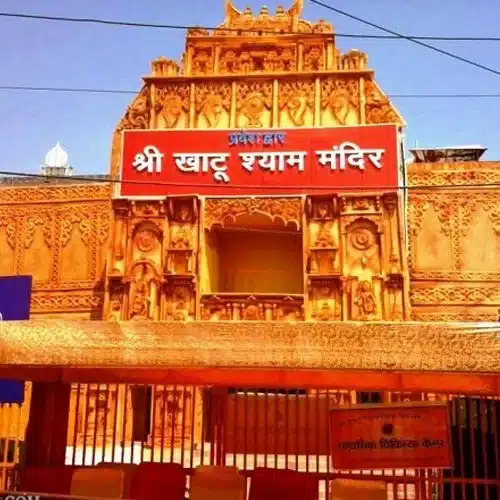
The temple attracts millions of devotees year-round, but certain days see massive crowds with extended or 24-hour openings, special aartis, bhajans, and processions:
Important Days and Dates
- Ekadashi (especially Shukla Paksha Ekadashi / Gyaras): Temple often open 24 hours; highly auspicious for darshan.
- Phalgun Mela (Falgun Mela or Shyam Mahotsav): The grandest festival, held in the Hindu month of Phalguna (typically February–March, around Holi). It lasts several days (often 4–12 days), featuring Nishan Yatra (flag procession), bhajans, and lakhs of devotees.
- Janmashtami: Celebrated with special fervor as Khatu Shyam is linked to Krishna.
- Diwali: Major festival with increased crowds.
- Other key days: Poornima (full moon), Saturdays, Sundays, Dwadashi (Baras), public holidays, and Navratri. Weekdays (e.g., Tuesday or Thursday) are quieter for peaceful visits. Avoid peak crowds on these days unless prepared for long queues; early morning Mangala Aarti is ideal for serenity
How to Reach
The temple is in a rural area, so the final leg is usually by road from nearby hubs. Nearest major airport: Jaipur International Airport (~80–95 km). Nearest railway station: Ringas Junction (RGS) (~17–18 km), from where taxis, autos, or shared jeeps are available (₹100–500 approx).
Delhi to Khatu Shyam Mandir
- By Air: Fly to Jaipur (~3–4 hours total with taxi), then taxi/bus to temple (~2 hours).
- By Train: Take a train from Delhi (e.g., Sarai Rohilla) to Ringas Junction, then taxi/auto to temple (~20–30 min).
- By Road: Drive via NH48 (Delhi–Jaipur highway) through Bhiwadi, Behror, Kotputli, Shahpura to Jaipur, then continue to Ringas and Khatu. Buses (DTC, Haryana/Rajasthan Roadways) or private taxis/cabs are common.
Ahmedabad to Khatu Shyam Mandir :
- By Air: Fly to Jaipur (~1 hour flight), then taxi/bus (~2 hours) to temple (fastest overall, ~3–4 hours total).
- By Train: Limited direct; train from Ahmedabad Jn to Renwal or Jaipur area, then connect to Ringas and taxi. .
- By Road: Direct buses available (e.g., via redBus, ~₹800+), departing from points like Geeta Mandir or CTM, arriving near Ringas/Khatu (may involve change in Jaipur). Private taxis or self-drive via highways.
History of the Temple
The history of Khatu Shyam Mandir is rooted in the Mahabharata epic. Barbarika, son of Ghatotkacha and grandson of Pandava Bhima, was a powerful warrior with three infallible arrows. To ensure balance in the Kurukshetra war, he offered his head to Lord Krishna as a sacrifice. Pleased, Krishna blessed him to be worshipped as “Shyam” in Kaliyuga.
After the war, Barbarika’s head (Sheesh) was buried in what became Khatu village. Centuries later (around Kaliyuga), a cow miraculously poured milk at the spot (Shyam Kund pond). Villagers dug and found the head, which was worshipped. In 1027 AD, King Roopsingh Chauhan and his wife Narmada Kanwar built the original temple after a divine dream instructing them to install it. The current white Makrana marble structure was renovated in 1720 AD by Diwan Abhai Singh (under Marwar ruler), giving it its present Rajasthani architectural beauty. The idol is made of rare stone, and nearby Shyam Kund remains holy for dips believed to cure ailments.
I cannot directly generate or host downloadable files like Word documents. However, you can easily create one yourself: Copy the above content (temple name as title), paste it into Microsoft Word or Google Docs, and save/export as “Khatu Shyam Mandir Rajasthan.docx”. If you’d like any additions, clarifications, or more details, let me know! Jai Shree Shyam!
Main Poojas Performed
The primary form of worship at Khatu Shyam Ji is the Aarti, which is performed five times daily. Devotees believe that witnessing these rituals brings immense peace and fulfillment of wishes..
-
- Mangala Aarti: The first aarti of the day, performed early in the morning when the temple opens. It signifies the awakening of the deity.
- Shringar Aarti: Performed after the deity has been elaborately dressed and adorned with fresh flowers (Shringar). This is considered one of the most beautiful sights for devotees.
- Bhog Aarti: Conducted at noon when the primary offering of food (Prasad) is served to the Lord.
- Sandhya Aarti: The evening aarti performed at sunset. It is a time of high energy and intense devotion within the temple premises.
- Sayana Aarti: The final aarti performed before the temple doors close for the night, marking the time for the deity to rest.
Attire (Dressing Guidelines) for Pooja
While the temple is welcoming to all, there is a strong emphasis on traditional modesty and “Shuddhi” (purity).
Men:
-
- Traditional Indian attire like Kurta-Pajama or Dhoti is highly recommended. While casual western wear (like jeans and shirts) is generally permitted, sleeveless shirts or shorts are discouraged.
Women:
-
- Traditional clothing such as Sarees, Salwar Kameez, or Lehngas with a dupatta (scarf) is expected. It is customary for women to cover their heads during the Aarti.
Restrictions:
-
- Leather items (belts, wallets, bags) are usually not allowed inside the main sanctum. Footwear must be removed at the designated counters outside the temple complex.
Official Websites
To ensure you have the most up-to-date timings and can book services like “Darshan” or donations safely, please use the following official resources:
Temple Trust Official Website:
https://www.shrishyammandir.com/
Government/District Information:
https://sikar.rajasthan.gov.in/home/dptHome
Description
The temple attracts millions of devotees year-round, but certain days see massive crowds with extended or 24-hour openings, special aartis, bhajans, and processions:
Important Days and Dates
- Ekadashi (especially Shukla Paksha Ekadashi / Gyaras): Temple often open 24 hours; highly auspicious for darshan.
- Phalgun Mela (Falgun Mela or Shyam Mahotsav): The grandest festival, held in the Hindu month of Phalguna (typically February–March, around Holi). It lasts several days (often 4–12 days), featuring Nishan Yatra (flag procession), bhajans, and lakhs of devotees.
- Janmashtami: Celebrated with special fervor as Khatu Shyam is linked to Krishna.
- Diwali: Major festival with increased crowds.
- Other key days: Poornima (full moon), Saturdays, Sundays, Dwadashi (Baras), public holidays, and Navratri. Weekdays (e.g., Tuesday or Thursday) are quieter for peaceful visits. Avoid peak crowds on these days unless prepared for long queues; early morning Mangala Aarti is ideal for serenity
How to Reach
The temple is in a rural area, so the final leg is usually by road from nearby hubs. Nearest major airport: Jaipur International Airport (~80–95 km). Nearest railway station: Ringas Junction (RGS) (~17–18 km), from where taxis, autos, or shared jeeps are available (₹100–500 approx).
Delhi to Khatu Shyam Mandir
- By Air: Fly to Jaipur (~3–4 hours total with taxi), then taxi/bus to temple (~2 hours).
- By Train: Take a train from Delhi (e.g., Sarai Rohilla) to Ringas Junction, then taxi/auto to temple (~20–30 min).
- By Road: Drive via NH48 (Delhi–Jaipur highway) through Bhiwadi, Behror, Kotputli, Shahpura to Jaipur, then continue to Ringas and Khatu. Buses (DTC, Haryana/Rajasthan Roadways) or private taxis/cabs are common.
Ahmedabad to Khatu Shyam Mandir :
- By Air: Fly to Jaipur (~1 hour flight), then taxi/bus (~2 hours) to temple (fastest overall, ~3–4 hours total).
- By Train: Limited direct; train from Ahmedabad Jn to Renwal or Jaipur area, then connect to Ringas and taxi. .
- By Road: Direct buses available (e.g., via redBus, ~₹800+), departing from points like Geeta Mandir or CTM, arriving near Ringas/Khatu (may involve change in Jaipur). Private taxis or self-drive via highways.
History of the Temple
The history of Khatu Shyam Mandir is rooted in the Mahabharata epic. Barbarika, son of Ghatotkacha and grandson of Pandava Bhima, was a powerful warrior with three infallible arrows. To ensure balance in the Kurukshetra war, he offered his head to Lord Krishna as a sacrifice. Pleased, Krishna blessed him to be worshipped as “Shyam” in Kaliyuga.
After the war, Barbarika’s head (Sheesh) was buried in what became Khatu village. Centuries later (around Kaliyuga), a cow miraculously poured milk at the spot (Shyam Kund pond). Villagers dug and found the head, which was worshipped. In 1027 AD, King Roopsingh Chauhan and his wife Narmada Kanwar built the original temple after a divine dream instructing them to install it. The current white Makrana marble structure was renovated in 1720 AD by Diwan Abhai Singh (under Marwar ruler), giving it its present Rajasthani architectural beauty. The idol is made of rare stone, and nearby Shyam Kund remains holy for dips believed to cure ailments.
I cannot directly generate or host downloadable files like Word documents. However, you can easily create one yourself: Copy the above content (temple name as title), paste it into Microsoft Word or Google Docs, and save/export as “Khatu Shyam Mandir Rajasthan.docx”. If you’d like any additions, clarifications, or more details, let me know! Jai Shree Shyam!
Main Poojas Performed
The primary form of worship at Khatu Shyam Ji is the Aarti, which is performed five times daily. Devotees believe that witnessing these rituals brings immense peace and fulfillment of wishes..
-
- Mangala Aarti: The first aarti of the day, performed early in the morning when the temple opens. It signifies the awakening of the deity.
- Shringar Aarti: Performed after the deity has been elaborately dressed and adorned with fresh flowers (Shringar). This is considered one of the most beautiful sights for devotees.
- Bhog Aarti: Conducted at noon when the primary offering of food (Prasad) is served to the Lord.
- Sandhya Aarti: The evening aarti performed at sunset. It is a time of high energy and intense devotion within the temple premises.
- Sayana Aarti: The final aarti performed before the temple doors close for the night, marking the time for the deity to rest.
Attire (Dressing Guidelines) for Pooja
While the temple is welcoming to all, there is a strong emphasis on traditional modesty and “Shuddhi” (purity).
Men:
-
- Traditional Indian attire like Kurta-Pajama or Dhoti is highly recommended. While casual western wear (like jeans and shirts) is generally permitted, sleeveless shirts or shorts are discouraged.
Women:
-
- Traditional clothing such as Sarees, Salwar Kameez, or Lehngas with a dupatta (scarf) is expected. It is customary for women to cover their heads during the Aarti.
Restrictions:
-
- Leather items (belts, wallets, bags) are usually not allowed inside the main sanctum. Footwear must be removed at the designated counters outside the temple complex.
Official Websites
To ensure you have the most up-to-date timings and can book services like “Darshan” or donations safely, please use the following official resources:
Temple Trust Official Website:
https://www.shrishyammandir.com/
Government/District Information:
https://sikar.rajasthan.gov.in/home/dptHome