-
Shitala Mata Temple
-
 Howrah, West Bengal
 -
January 28, 2026
-
-
0.00

 January 28, 2026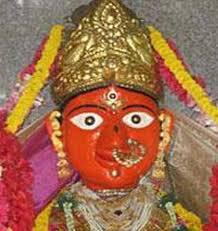
Important Days and Dates
- Shitala Ashtami: The most important festival dedicated to Goddess Shitala, usually observed in the Hindu month of Chaitra (March–April).
- Tuesdays and Saturdays: Considered especially auspicious days for worship.
- Navratri: Devotees visit the temple in large numbers during both Chaitra and Sharad Navratri.
How to Reach
From Delhi to Shitala Mata Temple Salkia:
- By Air: Take a flight from Delhi to Netaji Subhas Chandra Bose International Airport, Kolkata. From the airport, Salkia (Howrah) is about 20–25 km and can be reached by taxi or metro.
- By Train: Board a train from Delhi to Howrah Junction. Salkia is very close to Howrah Junction and can be reached by local transport.
- By Road: Long-distance buses and private vehicles can travel from Delhi to Kolkata, then proceed to Salkia, Howrah.
From Ahmedabad to Shitala Mata Temple Salkia:
- By Air: Take a flight from Ahmedabad to Kolkata Airport. From there, travel to Salkia by taxi or metro.
- By Train: Several trains run from Ahmedabad to Howrah Junction. From Howrah, Salkia is easily accessible.
- By Road: Road travel via national highways to Kolkata, followed by local travel to Salkia.
History of the Temple
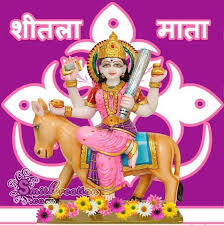
Shitala Mata Temple in Salkia, Howrah, is dedicated to Goddess Shitala, who is revered as the goddess of health, healing, and protection from diseases. Goddess Shitala is especially worshipped in eastern India, including West Bengal, where she is believed to protect devotees from epidemics and illnesses.
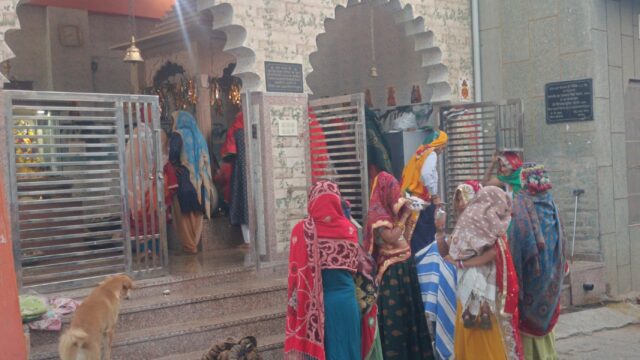
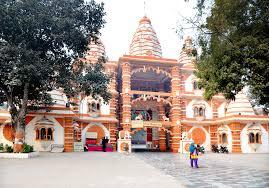
The temple has been a center of faith for local residents for many decades. Devotees traditionally offer prayers, cooling foods, and water to the goddess, symbolizing relief from fever and suffering. Over time, the temple has become an important spiritual landmark in the Salkia area, attracting devotees from Howrah and nearby parts of Kolkata.
Main Poojas Performed
Note on Authenticity:
The rituals at the Salkia Shitla Mata Mandir are deeply rooted in the folk and Tantric traditions of Bengal.
-
- Snan Yatra (The Ritual Bath): This is the primary and most significant ritual. It involves the ceremonial bathing of the deity (Boro Maa) and her sisters. It is a massive event where the goddess is brought out for a ritualistic bath, often involving a procession to the Ganges.
- Shitala Puja & Arati: Performed daily, these rituals involve the offering of “cooling” items such as curd, sandalwood paste, and water. The morning and evening Arati are the most attended daily services.
- Dondi Keta: A unique and rigorous ritual of penance where devotees cover the distance to the temple by prostrating repeatedly on the ground. This is usually done to fulfill a Manat (vow) for the health of children or recovery from illness.
- Bhog Offering: Unlike many other temples, the food offered (Bhog) often consists of “Thanda” (cold) food or items like soaked lentils and fruits, symbolizing the cooling nature of the goddess.
- Temple Timings: Morning: 6:00 AM – 1:30 PM Evening: 4:00 PM – 9:30 PM
Attire (Dressing Guidelines) for Pooja
While there is no rigid “uniform,” the temple maintains a traditional atmosphere.
Men:
-
- Traditional attire such as Dhoti-Kurta or Pajama-Kurta is highly recommended for those participating in special poojas. Modest casual wear like trousers and shirts is generally acceptable.
Women:
-
- Sarees (specifically cotton or traditional Bengali styles) or Salwar Kameez with a dupatta are preferred.
Restrictions:
-
- Footwear must be removed before entering the main temple courtyard.
- During the Snan Yatra or Dondi, participants often wear simple saffron or red cotton cloths.
Official Websites
There is no dedicated “official” government or trust website that serves as a single portal for this specific temple. Information is traditionally managed by the local Temple Trust and the Howrah Municipal Corporation for festival arrangements.
Government Reference:
https://howrah.gov.in/
Temple Trust:
The temple is managed by a local hereditary trust/committee. They do not currently maintain a formal digital presence for online bookings.
Description
Important Days and Dates
- Shitala Ashtami: The most important festival dedicated to Goddess Shitala, usually observed in the Hindu month of Chaitra (March–April).
- Tuesdays and Saturdays: Considered especially auspicious days for worship.
- Navratri: Devotees visit the temple in large numbers during both Chaitra and Sharad Navratri.
How to Reach
From Delhi to Shitala Mata Temple Salkia:
- By Air: Take a flight from Delhi to Netaji Subhas Chandra Bose International Airport, Kolkata. From the airport, Salkia (Howrah) is about 20–25 km and can be reached by taxi or metro.
- By Train: Board a train from Delhi to Howrah Junction. Salkia is very close to Howrah Junction and can be reached by local transport.
- By Road: Long-distance buses and private vehicles can travel from Delhi to Kolkata, then proceed to Salkia, Howrah.
From Ahmedabad to Shitala Mata Temple Salkia:
- By Air: Take a flight from Ahmedabad to Kolkata Airport. From there, travel to Salkia by taxi or metro.
- By Train: Several trains run from Ahmedabad to Howrah Junction. From Howrah, Salkia is easily accessible.
- By Road: Road travel via national highways to Kolkata, followed by local travel to Salkia.
History of the Temple
Shitala Mata Temple in Salkia, Howrah, is dedicated to Goddess Shitala, who is revered as the goddess of health, healing, and protection from diseases. Goddess Shitala is especially worshipped in eastern India, including West Bengal, where she is believed to protect devotees from epidemics and illnesses.
The temple has been a center of faith for local residents for many decades. Devotees traditionally offer prayers, cooling foods, and water to the goddess, symbolizing relief from fever and suffering. Over time, the temple has become an important spiritual landmark in the Salkia area, attracting devotees from Howrah and nearby parts of Kolkata.
Main Poojas Performed
Note on Authenticity:
The rituals at the Salkia Shitla Mata Mandir are deeply rooted in the folk and Tantric traditions of Bengal.
-
- Snan Yatra (The Ritual Bath): This is the primary and most significant ritual. It involves the ceremonial bathing of the deity (Boro Maa) and her sisters. It is a massive event where the goddess is brought out for a ritualistic bath, often involving a procession to the Ganges.
- Shitala Puja & Arati: Performed daily, these rituals involve the offering of “cooling” items such as curd, sandalwood paste, and water. The morning and evening Arati are the most attended daily services.
- Dondi Keta: A unique and rigorous ritual of penance where devotees cover the distance to the temple by prostrating repeatedly on the ground. This is usually done to fulfill a Manat (vow) for the health of children or recovery from illness.
- Bhog Offering: Unlike many other temples, the food offered (Bhog) often consists of “Thanda” (cold) food or items like soaked lentils and fruits, symbolizing the cooling nature of the goddess.
- Temple Timings: Morning: 6:00 AM – 1:30 PM Evening: 4:00 PM – 9:30 PM
Attire (Dressing Guidelines) for Pooja
While there is no rigid “uniform,” the temple maintains a traditional atmosphere.
Men:
-
- Traditional attire such as Dhoti-Kurta or Pajama-Kurta is highly recommended for those participating in special poojas. Modest casual wear like trousers and shirts is generally acceptable.
Women:
-
- Sarees (specifically cotton or traditional Bengali styles) or Salwar Kameez with a dupatta are preferred.
Restrictions:
-
- Footwear must be removed before entering the main temple courtyard.
- During the Snan Yatra or Dondi, participants often wear simple saffron or red cotton cloths.
Official Websites
There is no dedicated “official” government or trust website that serves as a single portal for this specific temple. Information is traditionally managed by the local Temple Trust and the Howrah Municipal Corporation for festival arrangements.
Government Reference:
https://howrah.gov.in/
Temple Trust:
The temple is managed by a local hereditary trust/committee. They do not currently maintain a formal digital presence for online bookings.