-
Rudranath
-
 Chamoli, Uttarakhand
 -
December 19, 2025
-
-
0.00

 December 19, 2025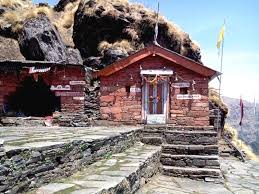
Important Days and Dates
- Temple Opening: May (after Akshaya Tritiya)
- Temple Closing: October–November (Bhai Dooj)
- Maha Shivaratri: Celebrated symbolically
- Shravan Month (July–August): Highly auspicious period
How to Reach Rudranath Temple
Delhi → Rudranath
- By Air: Jolly Grant Airport, Dehradun (approx. 260 km from Gopeshwar)
- By Train: Rishikesh or Haridwar Railway Station
- By Road: Delhi → Haridwar/Rishikesh → Rudraprayag → Chamoli → Gopeshwar → Sagar Village
- Trek: 20–22 km trek from Sagar Village to Rudranath Temple
Ahmedabad → Rudranath
- By Air: Ahmedabad → Dehradun (connecting flight), then road journey
- By Train: Ahmedabad → Haridwar/Rishikesh, then road
- By Road: Haridwar/Rishikesh → Rudraprayag → Chamoli → Gopeshwar → Sagar Village
- Trek: Trek from Sagar Village to Rudranath Temple
History of Rudranath Temple
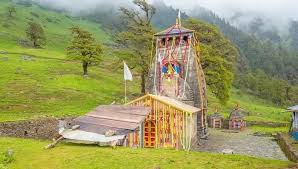
Rudranath Temple is one of the sacred Panch Kedar temples of Lord Shiva,
located in the Garhwal Himalayas of Uttarakhand at an altitude of about
3,600 meters.
According to legend, after the Kurukshetra war, the Pandavas sought forgiveness
from Lord Shiva. Shiva avoided them by taking the form of a bull and disappeared
into the ground, reappearing at five locations known as the Panch Kedar.
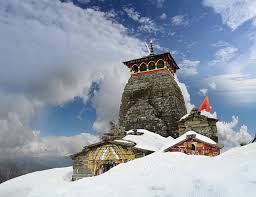
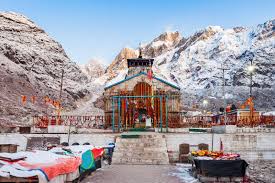
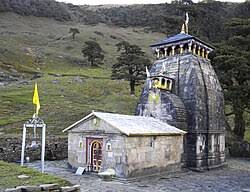
At Rudranath, Lord Shiva’s face (Mukha) is worshipped. The other body
parts appeared at Kedarnath, Tungnath, Madhyamaheshwar, and Kalpeshwar.
Rudranath is considered the most difficult Panch Kedar temple to reach due to its
long trek and remote terrain. Sacred kunds near the temple include
Surya Kund, Chandra Kund, Tara Kund, and Manas Kund.
- Morning Abhishekam & Aarti – Daily ritual bathing and worship
- Shringar Puja – Morning decoration of the deity
- Evening Aarti – Concluding worship with lamps and chanting
- Pind-Daan Rituals – Ancestor rites near sacred water bodies
- Doli Yatra Poojas – Seasonal rituals during winter relocation to Gopinath Temple
Attire Guidelines
- Men: Dhoti-kurta or modest traditional clothing
- Women: Saree or salwar-kameez
- Avoid shorts, sleeveless tops, or revealing clothing
Official Websites
- Government Websitehttps://chamoli.gov.in/tourist-place/rudranath-temple/
- Temple Website https://www.rudranath.org
Description
Important Days and Dates
- Temple Opening: May (after Akshaya Tritiya)
- Temple Closing: October–November (Bhai Dooj)
- Maha Shivaratri: Celebrated symbolically
- Shravan Month (July–August): Highly auspicious period
How to Reach Rudranath Temple
Delhi → Rudranath
- By Air: Jolly Grant Airport, Dehradun (approx. 260 km from Gopeshwar)
- By Train: Rishikesh or Haridwar Railway Station
- By Road: Delhi → Haridwar/Rishikesh → Rudraprayag → Chamoli → Gopeshwar → Sagar Village
- Trek: 20–22 km trek from Sagar Village to Rudranath Temple
Ahmedabad → Rudranath
- By Air: Ahmedabad → Dehradun (connecting flight), then road journey
- By Train: Ahmedabad → Haridwar/Rishikesh, then road
- By Road: Haridwar/Rishikesh → Rudraprayag → Chamoli → Gopeshwar → Sagar Village
- Trek: Trek from Sagar Village to Rudranath Temple
History of Rudranath Temple
Rudranath Temple is one of the sacred Panch Kedar temples of Lord Shiva,
located in the Garhwal Himalayas of Uttarakhand at an altitude of about
3,600 meters.
According to legend, after the Kurukshetra war, the Pandavas sought forgiveness
from Lord Shiva. Shiva avoided them by taking the form of a bull and disappeared
into the ground, reappearing at five locations known as the Panch Kedar.
At Rudranath, Lord Shiva’s face (Mukha) is worshipped. The other body
parts appeared at Kedarnath, Tungnath, Madhyamaheshwar, and Kalpeshwar.
Rudranath is considered the most difficult Panch Kedar temple to reach due to its
long trek and remote terrain. Sacred kunds near the temple include
Surya Kund, Chandra Kund, Tara Kund, and Manas Kund.
- Morning Abhishekam & Aarti – Daily ritual bathing and worship
- Shringar Puja – Morning decoration of the deity
- Evening Aarti – Concluding worship with lamps and chanting
- Pind-Daan Rituals – Ancestor rites near sacred water bodies
- Doli Yatra Poojas – Seasonal rituals during winter relocation to Gopinath Temple
Attire Guidelines
- Men: Dhoti-kurta or modest traditional clothing
- Women: Saree or salwar-kameez
- Avoid shorts, sleeveless tops, or revealing clothing
Official Websites
- Government Websitehttps://chamoli.gov.in/tourist-place/rudranath-temple/
- Temple Website https://www.rudranath.org