
 December 26, 2025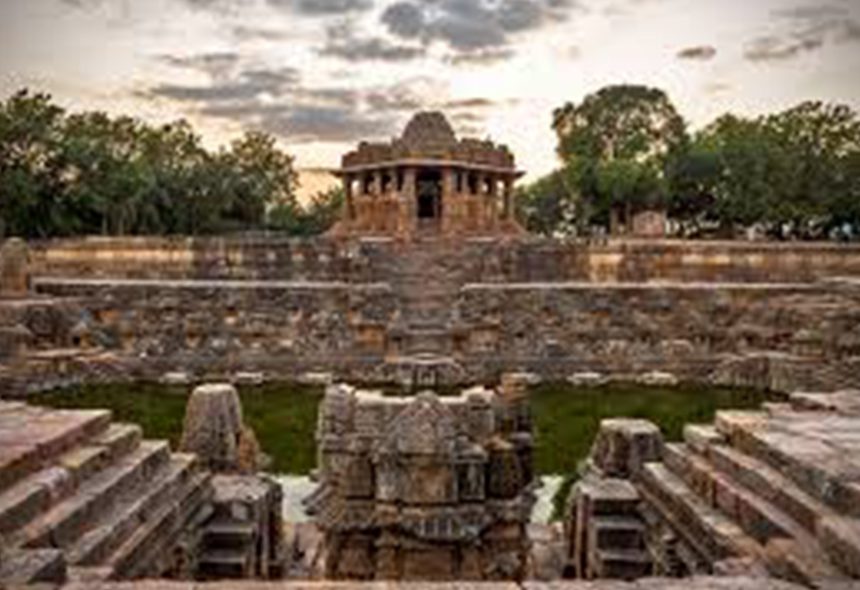
Important Days and Dates
- The Modhera Jain Temple does not have regular large-scale festivals today as it exists mainly in the form of historical remains.
- Jain religious observances such as Paryushan Parva and Mahavir Jayanti are significant for Jain heritage in general, though they are not specifically celebrated at the site.
- The temple is best visited during daylight hours throughout the year, especially during the winter months (October to February) when the climate is pleasant.
How to Reach
Delhi to Modhera Jain Temple
- By Air: Take a flight from Delhi to Ahmedabad International Airport. From Ahmedabad, continue by road to Modhera.
- By Train: Take a train from Delhi to Mehsana Junction. From Mehsana, Modhera is approximately 25 km by road.
- By Road: Delhi to Modhera is around 900 km. One can travel via NH48 and state highways, though this option is time-consuming.
Ahmedabad to Modhera Jain Temple
- By Road: Modhera is approximately 100 km from Ahmedabad. Buses, taxis, and private vehicles are available via Mehsana.
- By Train: Travel from Ahmedabad to Mehsana Junction, then hire a taxi or local transport to Modhera.
- By Bus: Gujarat State Transport (GSRTC) buses operate from Ahmedabad to Mehsana and nearby towns.
History of the Temple
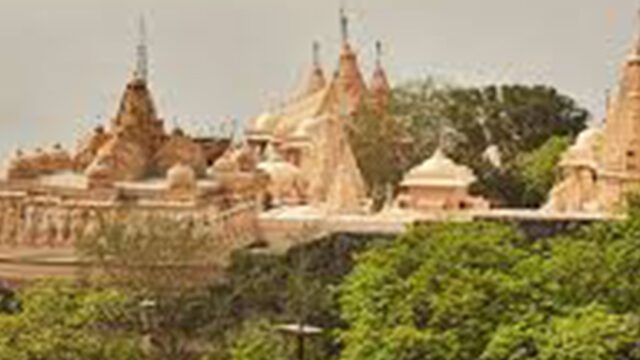
The Modhera Jain Temple is an ancient Jain religious site located near Modhera village in Mehsana district of Gujarat. Today, the temple survives mainly as historical remains, reflecting the rich Jain architectural and cultural heritage of the region.
The temple is believed to have been constructed during the early medieval period when Jainism flourished under the patronage of regional rulers and wealthy merchant communities in Gujarat. During this time, Gujarat emerged as an important center for Jain learning, art, and temple construction.
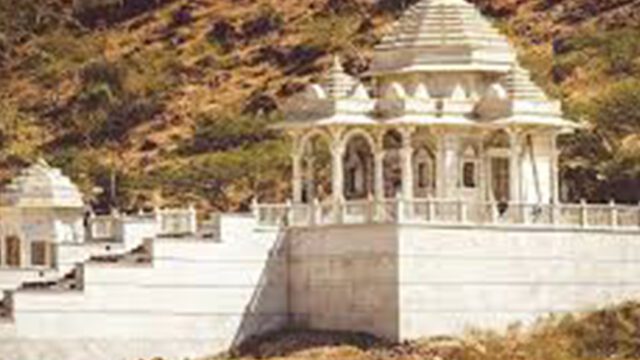
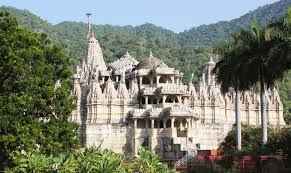
The architectural remnants indicate traditional Jain temple design, including finely carved stone elements and sacred layouts. Over centuries, due to invasions, natural decay, and lack of continuous worship, the temple gradually fell into ruin.
Despite its current condition, the Modhera Jain Temple remains an important archaeological and cultural landmark. It stands as evidence of the strong presence of Jainism in northern Gujarat and offers valuable insight into the religious and artistic traditions of the period.
Description
Important Days and Dates
- The Modhera Jain Temple does not have regular large-scale festivals today as it exists mainly in the form of historical remains.
- Jain religious observances such as Paryushan Parva and Mahavir Jayanti are significant for Jain heritage in general, though they are not specifically celebrated at the site.
- The temple is best visited during daylight hours throughout the year, especially during the winter months (October to February) when the climate is pleasant.
How to Reach
Delhi to Modhera Jain Temple
- By Air: Take a flight from Delhi to Ahmedabad International Airport. From Ahmedabad, continue by road to Modhera.
- By Train: Take a train from Delhi to Mehsana Junction. From Mehsana, Modhera is approximately 25 km by road.
- By Road: Delhi to Modhera is around 900 km. One can travel via NH48 and state highways, though this option is time-consuming.
Ahmedabad to Modhera Jain Temple
- By Road: Modhera is approximately 100 km from Ahmedabad. Buses, taxis, and private vehicles are available via Mehsana.
- By Train: Travel from Ahmedabad to Mehsana Junction, then hire a taxi or local transport to Modhera.
- By Bus: Gujarat State Transport (GSRTC) buses operate from Ahmedabad to Mehsana and nearby towns.
History of the Temple
The Modhera Jain Temple is an ancient Jain religious site located near Modhera village in Mehsana district of Gujarat. Today, the temple survives mainly as historical remains, reflecting the rich Jain architectural and cultural heritage of the region.
The temple is believed to have been constructed during the early medieval period when Jainism flourished under the patronage of regional rulers and wealthy merchant communities in Gujarat. During this time, Gujarat emerged as an important center for Jain learning, art, and temple construction.
The architectural remnants indicate traditional Jain temple design, including finely carved stone elements and sacred layouts. Over centuries, due to invasions, natural decay, and lack of continuous worship, the temple gradually fell into ruin.
Despite its current condition, the Modhera Jain Temple remains an important archaeological and cultural landmark. It stands as evidence of the strong presence of Jainism in northern Gujarat and offers valuable insight into the religious and artistic traditions of the period.