
 January 28, 2026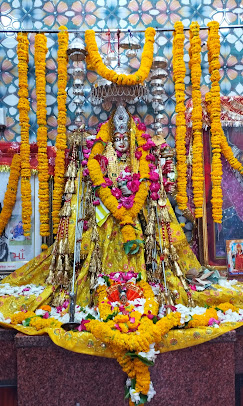
Important Days and Dates
- Navratri (Chaitra and Sharad Navratri) – The most important festival dedicated to Goddess Meldi Maa
- Purnima (Full Moon Day) – Special prayers and offerings are performed.
- Fridays – Considered auspicious for worship of Meldi Maa.
- Gujarati New Year – Devotees from Gujarat and Rajasthan visit the temples in large numbers.
How to Reach
From Delhi to Meldi Maa Temples – Rajasthan (Border Areas):
- By Air: Nearest major airports are Ahmedabad Airport and Udaipur Airport. From there, taxis or buses are available.
- By Train: Nearest railway stations include Palanpur, Abu Road, and Udaipur. Local transport is available.
- By Road: Well-connected by highways. Buses and private taxis operate via Jaipur and Ahmedabad routes.
From Ahmedabad to Meldi Maa Temples – Rajasthan (Border Areas):
- By Road: Most convenient option. Regular buses and taxis operate to Rajasthan border regions.
- By Train: Trains up to Palanpur or Abu Road, followed by local transport.
- By Air: Road travel is preferred due to short distance.
History of the Temple
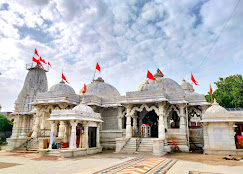
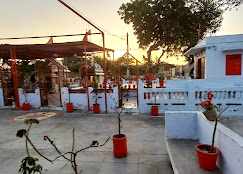
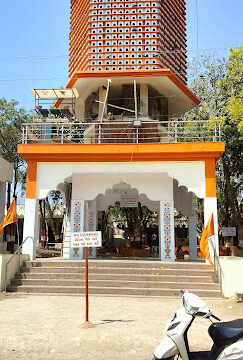
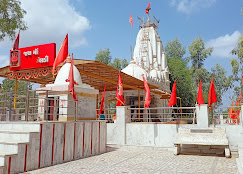
Meldi Maa is a widely revered folk goddess primarily worshipped in Gujarat and the bordering regions of Rajasthan. She is regarded as a powerful protector deity and Kuldevi for many communities. The temples located in Rajasthan border areas highlight the shared cultural and spiritual traditions of Gujarat and Rajasthan.
According to popular belief, Meldi Maa represents divine feminine power and protects devotees from injustice, negative forces, and misfortune. Most temples originated as simple village shrines established several centuries ago. With time, these sites developed into important pilgrimage centers.
Navratri is celebrated with great devotion, and offerings such as coconuts, red cloth, and lamps are made. Even today, devotees visit these temples to seek blessings, protection, and fulfillment of wishes.
Main Poojas Performed
Note on Authenticity:
There is no single centrally recognized Meldi Maa temple in Rajasthan. Shrines in Rajasthan border areas follow local traditions, and most practices are based on oral traditions.
-
- Meldi Maa Puja (Primary Puja): Traditional worship of Goddess Meldi using kumkum, coconut, diya, incense, and offerings. Devotees seek protection, justice, and fulfillment of vows.
- Aarti: Performed once or twice daily depending on the shrine. Hymns are sung in Gujarati or Rajasthani.
- Mannat / Vow Puja: Performed after wishes are fulfilled, commonly involving coconut or chunri offerings.
Important Days and Times for Pooja
- Major Festival:
- Navratri (Chaitra and Sharad)
- Dussehra
- Diwali
- Auspicious Days:
- Tuesdays
- Saturdays
- Amavasya (New Moon Day)
- Special Observances:
- Local village fairs (melas)
- Clan-based Kuldevi puja (varies by village)
Attire (Dressing Guidelines) for Pooja
Men:
-
- Dhoti-kurta or simple kurta-pyjama
Women:
-
- Saree, ghaghra-choli, or salwar-kameez
- Head covering during puja is customary
Restrictions:
-
- Avoid western or revealing clothing
- Leather items usually prohibited
- Alcohol and non-vegetarian food strictly avoided
Official Websites
Government Website:
Not available.
Temple Trust Website:
Not available.
Description
Important Days and Dates
- Navratri (Chaitra and Sharad Navratri) – The most important festival dedicated to Goddess Meldi Maa
- Purnima (Full Moon Day) – Special prayers and offerings are performed.
- Fridays – Considered auspicious for worship of Meldi Maa.
- Gujarati New Year – Devotees from Gujarat and Rajasthan visit the temples in large numbers.
How to Reach
From Delhi to Meldi Maa Temples – Rajasthan (Border Areas):
- By Air: Nearest major airports are Ahmedabad Airport and Udaipur Airport. From there, taxis or buses are available.
- By Train: Nearest railway stations include Palanpur, Abu Road, and Udaipur. Local transport is available.
- By Road: Well-connected by highways. Buses and private taxis operate via Jaipur and Ahmedabad routes.
From Ahmedabad to Meldi Maa Temples – Rajasthan (Border Areas):
- By Road: Most convenient option. Regular buses and taxis operate to Rajasthan border regions.
- By Train: Trains up to Palanpur or Abu Road, followed by local transport.
- By Air: Road travel is preferred due to short distance.
History of the Temple
Meldi Maa is a widely revered folk goddess primarily worshipped in Gujarat and the bordering regions of Rajasthan. She is regarded as a powerful protector deity and Kuldevi for many communities. The temples located in Rajasthan border areas highlight the shared cultural and spiritual traditions of Gujarat and Rajasthan.
According to popular belief, Meldi Maa represents divine feminine power and protects devotees from injustice, negative forces, and misfortune. Most temples originated as simple village shrines established several centuries ago. With time, these sites developed into important pilgrimage centers.
Navratri is celebrated with great devotion, and offerings such as coconuts, red cloth, and lamps are made. Even today, devotees visit these temples to seek blessings, protection, and fulfillment of wishes.
Main Poojas Performed
Note on Authenticity:
There is no single centrally recognized Meldi Maa temple in Rajasthan. Shrines in Rajasthan border areas follow local traditions, and most practices are based on oral traditions.
-
- Meldi Maa Puja (Primary Puja): Traditional worship of Goddess Meldi using kumkum, coconut, diya, incense, and offerings. Devotees seek protection, justice, and fulfillment of vows.
- Aarti: Performed once or twice daily depending on the shrine. Hymns are sung in Gujarati or Rajasthani.
- Mannat / Vow Puja: Performed after wishes are fulfilled, commonly involving coconut or chunri offerings.
Important Days and Times for Pooja
- Major Festival:
- Navratri (Chaitra and Sharad)
- Dussehra
- Diwali
- Auspicious Days:
- Tuesdays
- Saturdays
- Amavasya (New Moon Day)
- Special Observances:
- Local village fairs (melas)
- Clan-based Kuldevi puja (varies by village)
Attire (Dressing Guidelines) for Pooja
Men:
-
- Dhoti-kurta or simple kurta-pyjama
Women:
-
- Saree, ghaghra-choli, or salwar-kameez
- Head covering during puja is customary
Restrictions:
-
- Avoid western or revealing clothing
- Leather items usually prohibited
- Alcohol and non-vegetarian food strictly avoided
Official Websites
Government Website:
Not available.
Temple Trust Website:
Not available.