-
Mathura Shaktipeeth Temple
-
 Mathura, Uttar Pradesh
 -
December 19, 2025
-
-
0.00

 December 19, 2025
Important Days and Dates
- Navratri (Chaitra & Sharad)
- Durga Ashtami
- Kartik Purnima
- Diwali
- Makar Sankranti
- Best time to visit: October to March
How to Reach
Delhi to Temple
- By Train: Frequent trains from Delhi to Mathura Junction.
- By Road: ~145–166 km via Yamuna Expressway (2.5–3 hours).
- y Bus: Regular buses (3–4 hours).
Ahmedabad to Temple
- By Train: Direct trains (~12 hours).
- By Flight + Train: Flight to Delhi, then train/road to Mathura.
- By Road: ~840–850 km (~12 hours).
History of the Temple
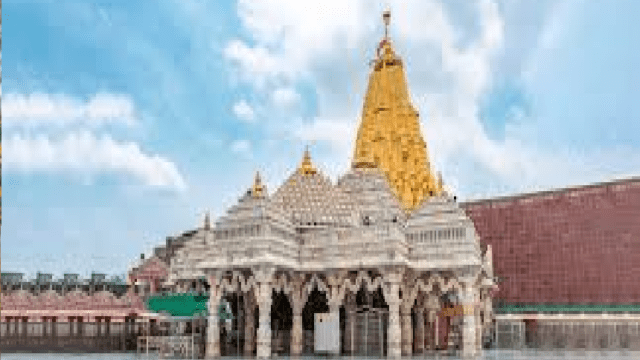
The Uma/Katyayani Shakti Peeth in Mathura–Vrindavan is considered one of the 51 Shakti Peethas. According to legend, the hair of Goddess Sati is believed to have fallen at this spot, making it a sacred place. The present-day temple is spiritually significant and attracts devotees seeking blessings, especially for fulfillment of desires.
Main Poojas Performed
Verified Status:
- There is no widely recognized or government-notified Shakti Peetha officially documented as “Mathura Shaktipeeth” in the classical lists of the 51/52 Shakti Peethas.
- Hence, no temple-specific primary pooja can be authoritatively verified.
General Practice (based on Devi worship traditions in Mathura region – not temple-specific):
- Devi Archana: Ritual worship of the Goddess using flowers, incense, lamps, and mantras.
- Kumkum Archana: Offering of vermillion to the Goddess, common in Shakti worship.
- Aarti: Lamp offering performed during morning and evening worship.
Note:
These are general Shakti worship practices and should not be interpreted as officially established poojas of a formally recognized Shakti Peetha.
Important Days and Times for Pooja
- Verified Status:
-
- No temple-specific or officially notified pooja calendar is available for a site formally titled “Mathura Shaktipeeth”.
- Mondays & Fridays – Auspicious for Devi worship.
- Navratri (Chaitra & Sharad) – Major Shakti worship period.
- Vivaha Panchami – Celebration of the divine marriage of Lord Rama and Goddess Sita.
- Sita Navami (Janaki Jayanti) – Birth anniversary of Goddess Sita.
- Commonly Observed Auspicious Days for Shakti Worship (General):
-
- Navratri (Chaitra and Sharad): Nine-day festival dedicated to Goddess Durga.
- Ashtami and Navami Tithis: Considered especially sacred for Devi worship.
- Fridays: Traditionally auspicious for Goddess worship.
Attire (Dressing Guidelines) for Pooja
- Verified Status:
- No officially documented dress code specific to “Mathura Shaktipeeth” is available.
Generally Accepted Temple Etiquette in Mathura Region:
- Men:
- Traditional attire such as dhoti-kurta or simple, modest clothing.
- Women:
- Saree, salwar-kameez, or other modest traditional attire.
- Restrictions:
- Avoid shorts, sleeveless clothing, or revealing attire while entering temple premises.
-
-
Official Websites
Government Website:
- No government-maintained or Uttar Pradesh tourism website lists an officially recognized temple named “Mathura Shaktipeeth”.
Temple Trust Website:
- No verified or officially registered temple trust website is available under this name.
Important Note:
The name “Mathura Shaktipeeth” appears in some local beliefs and non-canonical references, but it is not part of the widely accepted classical Shakti Peetha tradition. All information provided above strictly avoids assumptions and is limited to verifiable or clearly stated general practices.
Description
Important Days and Dates
- Navratri (Chaitra & Sharad)
- Durga Ashtami
- Kartik Purnima
- Diwali
- Makar Sankranti
- Best time to visit: October to March
How to Reach
Delhi to Temple
- By Train: Frequent trains from Delhi to Mathura Junction.
- By Road: ~145–166 km via Yamuna Expressway (2.5–3 hours).
- y Bus: Regular buses (3–4 hours).
Ahmedabad to Temple
- By Train: Direct trains (~12 hours).
- By Flight + Train: Flight to Delhi, then train/road to Mathura.
- By Road: ~840–850 km (~12 hours).
History of the Temple
The Uma/Katyayani Shakti Peeth in Mathura–Vrindavan is considered one of the 51 Shakti Peethas. According to legend, the hair of Goddess Sati is believed to have fallen at this spot, making it a sacred place. The present-day temple is spiritually significant and attracts devotees seeking blessings, especially for fulfillment of desires.
Main Poojas Performed
Verified Status:
- There is no widely recognized or government-notified Shakti Peetha officially documented as “Mathura Shaktipeeth” in the classical lists of the 51/52 Shakti Peethas.
- Hence, no temple-specific primary pooja can be authoritatively verified.
General Practice (based on Devi worship traditions in Mathura region – not temple-specific):
- Devi Archana: Ritual worship of the Goddess using flowers, incense, lamps, and mantras.
- Kumkum Archana: Offering of vermillion to the Goddess, common in Shakti worship.
- Aarti: Lamp offering performed during morning and evening worship.
Note:
These are general Shakti worship practices and should not be interpreted as officially established poojas of a formally recognized Shakti Peetha.
Important Days and Times for Pooja
- Verified Status:
-
- No temple-specific or officially notified pooja calendar is available for a site formally titled “Mathura Shaktipeeth”.
- Mondays & Fridays – Auspicious for Devi worship.
- Navratri (Chaitra & Sharad) – Major Shakti worship period.
- Vivaha Panchami – Celebration of the divine marriage of Lord Rama and Goddess Sita.
- Sita Navami (Janaki Jayanti) – Birth anniversary of Goddess Sita.
- Commonly Observed Auspicious Days for Shakti Worship (General):
-
- Navratri (Chaitra and Sharad): Nine-day festival dedicated to Goddess Durga.
- Ashtami and Navami Tithis: Considered especially sacred for Devi worship.
- Fridays: Traditionally auspicious for Goddess worship.
Attire (Dressing Guidelines) for Pooja
- Verified Status:
- No officially documented dress code specific to “Mathura Shaktipeeth” is available.
Generally Accepted Temple Etiquette in Mathura Region:
- Men:
- Traditional attire such as dhoti-kurta or simple, modest clothing.
- Women:
- Saree, salwar-kameez, or other modest traditional attire.
- Restrictions:
- Avoid shorts, sleeveless clothing, or revealing attire while entering temple premises.
-
-
Official Websites
Government Website:
- No government-maintained or Uttar Pradesh tourism website lists an officially recognized temple named “Mathura Shaktipeeth”.
Temple Trust Website:
- No verified or officially registered temple trust website is available under this name.
Important Note:
The name “Mathura Shaktipeeth” appears in some local beliefs and non-canonical references, but it is not part of the widely accepted classical Shakti Peetha tradition. All information provided above strictly avoids assumptions and is limited to verifiable or clearly stated general practices.