

 January 29, 2026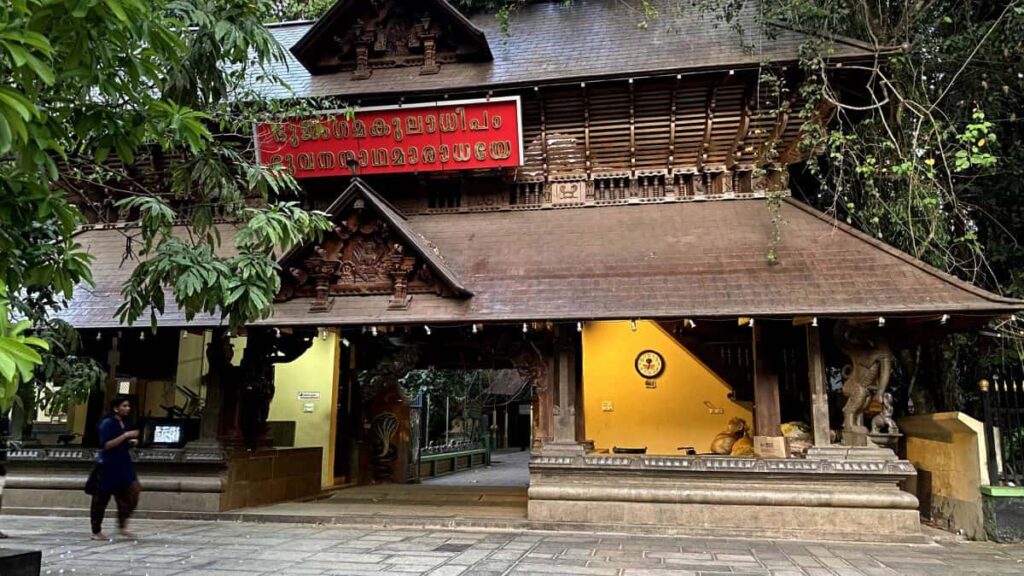
The Mannarasala Sree Nagaraja Temple in Haripad, Kerala, is one of the most significant pilgrimage sites for serpent worship in India. This ancient temple is world-renowned for its unique traditions, including being headed by a Brahmin Priestess (Mannarasala Amma) and housing over 30,000 snake idols.
Important Days and Dates
The temple follows the Malayalam calendar. The most auspicious days revolve around the Ayilyam star (asterism).
- Mannarasala Ayilyam (Thulam): The most important annual festival, held in the Malayalam month of Thulam (Oct–Nov). It features a grand procession where the Priestess carries the idol of Nagaraja to the family ‘Illam’.
- Kanni Ayilyam: Celebrated in the month of Kanni (Sept–Oct); believed to be the birthday of Nagaraja.
- Maha Shivaratri: A major event associated with the serpent king Vasuki. It is the only day the temple is decorated with festive lights (Deeparadhana).
- Monthly Ayilyam: The Ayilyam star occurs every month and is considered holy for special offerings.
How to Reach
From Delhi to Mannarasala Temple
- By Air: Fly from Indira Gandhi International Airport (DEL) to Cochin International Airport (COK). From the airport, the temple is approximately 115 km away (a 3-4 hour drive via taxi or bus).
- By Train: Several long-distance trains like the Kerala Express or Himsagar Express run from Delhi. Deboard at Harippad (HAD) or Kayamkulam Junction (KYJ). The temple is just 3 km from Haripad station.
From Ahmedabad to Mannarasala Temple
- By Air: Fly from Sardar Vallabhbhai Patel International Airport (AMD) to Cochin International Airport (COK).
- By Train: Take the Gandhidham–Nagercoil Express or Porbandar–Kochuveli SF Express. These trains pass through Ahmedabad. Deboard at Kayamkulam Junction (KYJ), which is about 14 km from the temple.
History of the Temple
The history of the temple is rooted in the legend of Lord Parasurama, who reclaimed Kerala from the sea. Finding the land too saline for habitation, he performed penance to Nagaraja. The serpent god agreed to desalinate the land with his venom, making it lush and green.
Another central historical figure is the Brahmin Priestess. Legend says a childless couple cared for serpents injured in a forest fire. Pleased, Nagaraja was born to them as a five-hooded serpent son. Before entering eternal meditation in the cellar (Nilavara), he designated the mother of the house as the chief priestess, a tradition that continues today.
Main Poojas Performed
The rituals here are distinct because they are often presided over by the Valia Amma (Chief Priestess).
-
- Noorum PalumThe most vital offering. A mixture of rice flour, turmeric, and milk is offered to the serpent deities to appease them and seek protection.
- Uruli KamizhthalA world-famous ritual for childless couples. A bronze vessel (Uruli) is placed upside down in the temple; once the wish is granted, the couple returns to turn it upright.
- SarpabaliAn elaborate ritual involving a colorful Nagakkalam (serpent floor drawing) to remove Sarpa Dosha (serpent curses) and bring prosperity.
- PalpayasamA sweet milk porridge offered to the deity, usually for the fulfillment of general desires.
- Ashtanaga PoojaA special prayer dedicated to the eight prominent serpent kings to seek overall family well-being.
Attire (Dressing Guidelines) for Pooja
The temple strictly follows the traditional Kerala dress code to maintain sanctity.
Men:
-
- Must wear a Mundu (Dhoti). They are strictly prohibited from wearing shirts, t-shirts, or vests inside the inner sanctum. The upper body must remain bare.
Women:
-
- Recommended to wear Sarees, Settu Mundu, or long skirts. While Salwar Kameez is generally accepted, traditional Kerala attire is preferred for important poojas.
Restrictions:
-
- Footwear must be left outside the temple complex. Photography is strictly prohibited inside the inner sanctum.
Official Websites
Temple Trust Official Website:
https://online.mannarasala.org/sign-in
Online Pooja Booking:
https://online.mannarasala.org/sign-in
Government/Kerala Tourism Info:
https://www.keralatourism.org/
Description
The Mannarasala Sree Nagaraja Temple in Haripad, Kerala, is one of the most significant pilgrimage sites for serpent worship in India. This ancient temple is world-renowned for its unique traditions, including being headed by a Brahmin Priestess (Mannarasala Amma) and housing over 30,000 snake idols.
Important Days and Dates
The temple follows the Malayalam calendar. The most auspicious days revolve around the Ayilyam star (asterism).
- Mannarasala Ayilyam (Thulam): The most important annual festival, held in the Malayalam month of Thulam (Oct–Nov). It features a grand procession where the Priestess carries the idol of Nagaraja to the family ‘Illam’.
- Kanni Ayilyam: Celebrated in the month of Kanni (Sept–Oct); believed to be the birthday of Nagaraja.
- Maha Shivaratri: A major event associated with the serpent king Vasuki. It is the only day the temple is decorated with festive lights (Deeparadhana).
- Monthly Ayilyam: The Ayilyam star occurs every month and is considered holy for special offerings.
How to Reach
From Delhi to Mannarasala Temple
- By Air: Fly from Indira Gandhi International Airport (DEL) to Cochin International Airport (COK). From the airport, the temple is approximately 115 km away (a 3-4 hour drive via taxi or bus).
- By Train: Several long-distance trains like the Kerala Express or Himsagar Express run from Delhi. Deboard at Harippad (HAD) or Kayamkulam Junction (KYJ). The temple is just 3 km from Haripad station.
From Ahmedabad to Mannarasala Temple
- By Air: Fly from Sardar Vallabhbhai Patel International Airport (AMD) to Cochin International Airport (COK).
- By Train: Take the Gandhidham–Nagercoil Express or Porbandar–Kochuveli SF Express. These trains pass through Ahmedabad. Deboard at Kayamkulam Junction (KYJ), which is about 14 km from the temple.
History of the Temple
The history of the temple is rooted in the legend of Lord Parasurama, who reclaimed Kerala from the sea. Finding the land too saline for habitation, he performed penance to Nagaraja. The serpent god agreed to desalinate the land with his venom, making it lush and green.
Another central historical figure is the Brahmin Priestess. Legend says a childless couple cared for serpents injured in a forest fire. Pleased, Nagaraja was born to them as a five-hooded serpent son. Before entering eternal meditation in the cellar (Nilavara), he designated the mother of the house as the chief priestess, a tradition that continues today.
Main Poojas Performed
The rituals here are distinct because they are often presided over by the Valia Amma (Chief Priestess).
-
- Noorum PalumThe most vital offering. A mixture of rice flour, turmeric, and milk is offered to the serpent deities to appease them and seek protection.
- Uruli KamizhthalA world-famous ritual for childless couples. A bronze vessel (Uruli) is placed upside down in the temple; once the wish is granted, the couple returns to turn it upright.
- SarpabaliAn elaborate ritual involving a colorful Nagakkalam (serpent floor drawing) to remove Sarpa Dosha (serpent curses) and bring prosperity.
- PalpayasamA sweet milk porridge offered to the deity, usually for the fulfillment of general desires.
- Ashtanaga PoojaA special prayer dedicated to the eight prominent serpent kings to seek overall family well-being.
Attire (Dressing Guidelines) for Pooja
The temple strictly follows the traditional Kerala dress code to maintain sanctity.
Men:
-
- Must wear a Mundu (Dhoti). They are strictly prohibited from wearing shirts, t-shirts, or vests inside the inner sanctum. The upper body must remain bare.
Women:
-
- Recommended to wear Sarees, Settu Mundu, or long skirts. While Salwar Kameez is generally accepted, traditional Kerala attire is preferred for important poojas.
Restrictions:
-
- Footwear must be left outside the temple complex. Photography is strictly prohibited inside the inner sanctum.
Official Websites
Temple Trust Official Website:
https://online.mannarasala.org/sign-in
Online Pooja Booking:
https://online.mannarasala.org/sign-in
Government/Kerala Tourism Info:
https://www.keralatourism.org/