
-
Kukke Subramanya Temple
-
 Dakshina Kannada, Karnataka
 -
January 29, 2026
-
-
0.00

 January 29, 2026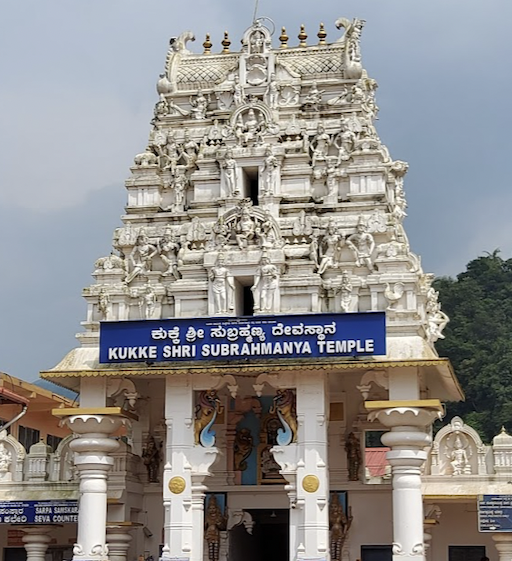
The temple follows the lunar calendar, making the following days highly significant:
Important Days and Dates
- Champa Shashti / Subramanya Shashti: The most important festival, celebrating the divine union of Lord Subramanya and Devasena. In 2026, it falls on December 15
- Ashlesha Nakshatra Days: Occurring once every month, these are considered the most auspicious days for performing Naga-related poojas
- Skanda Shashti: A major six-day festival dedicated to Lord Murugan’s victory over the demon Tarakasura.
- Annual Festival (Rathotsava): A 15-day celebration culminating in a grand chariot procession.
How to Reach
Kukke Subramanya is located in the Sullia Taluk of Dakshina Kannada district.
From Delhi to Kukke Subramanya
- By Air (Fastest): Fly from Indira Gandhi International Airport (DEL) to Mangaluru International Airport (IXE). From Mangaluru, take a taxi or a state bus (KSRTC) for the ~105 km journey (approx. 3 hours).
- By Train: Take the Mangala Lakshadweep Express or Duronto to Mangaluru Junction, then transfer to a local train to Subrahmanya Road (SBHR) station, which is 12 km from the temple.
- By Road: A journey of over 2,400 km; typically not recommended unless part of a larger tour.
From Ahmedabad to Kukke Subramanya
- By Air: Fly from Sardar Vallabhbhai Patel International Airport (AMD) to Mangaluru (IXE) (usually with a layover in Mumbai or Bengaluru). Proceed by road from Mangaluru.
- By Train: Take a train to Mangaluru or Madgaon. From Mangaluru, use the local passenger trains or buses to reach the temple.
- Alternative: Fly to Bengaluru (BLR) and take an overnight KSRTC bus or a train (like the Panchaganga Express) directly to Subrahmanya Road.
History of the Temple
The temple’s history is a blend of Vedic lore and local tradition:
Legend of Vasuki: According to the Skanda Purana, the divine serpent Vasuki performed penance in the Biladwara caves here to escape the wrath of Garuda (Lord Vishnu’s mount). Lord Subramanya appeared and promised to protect Vasuki by staying there forever.
Victory of Skanda: It is believed that after defeating the demons Tarakasura and Surapadma, Lord Subramanya washed his weapon (the Vel) in the Kumaradhara River and stayed at this spot.
Ancient Roots: The temple is estimated to be over 5,000 years old and is one of the seven holy “Mukti Sthalas” (places of salvation) established by Sage Parashurama.
Main Poojas Performed
The temple is the primary destination for “Naga Dosha Parihara” (remedies for serpent-related afflictions).
-
- Sarpa Samskara: The most vital ritual. It is a two-day ceremony performed to find relief from “Sarpa Hatya Dosha” (the sin of killing or harming a snake).
- Ashlesha Bali : Performed on Ashlesha Nakshatra days to appease the serpent deities and seek protection from health and financial issues.
- Nagaprathishta : The ritual of installing a Naga idol to seek blessings for childbirth, marriage, or general prosperity.
- Maha Pooja : A daily ritual involving elaborate Abhisheka (holy bath) and Naivedya offered to the main deity.
Attire (Dressing Guidelines) for Pooja
The temple follows strict traditional norms, especially for those performing Sevas (special poojas).
Men:
-
- Mandatory for Poojas: Must wear a Dhoti (Veshti/Pancha). For specific rituals like Sarpa Samskara, men must remain bare-chested (remove shirts and vests) during the ceremony
- General Darshan: Dhoti or formal trousers. Shirts/vests must be removed before entering the inner sanctum area.
Women:
-
- Saree, Half-saree, or Salwar Kameez with a Dupatta.
Restrictions:
-
- Short skirts, sleeveless tops, and tight-fitting western wear are generally discouraged or restricted in the inner premises.
Official Websites
Government Tourism Link:
https://karnatakatourism.org/en/attractions/kukke-subramanya-temple
Temple Trust Official Website:
https://itms.kar.nic.in/hrcehome/index.php
Description
The temple follows the lunar calendar, making the following days highly significant:
Important Days and Dates
- Champa Shashti / Subramanya Shashti: The most important festival, celebrating the divine union of Lord Subramanya and Devasena. In 2026, it falls on December 15
- Ashlesha Nakshatra Days: Occurring once every month, these are considered the most auspicious days for performing Naga-related poojas
- Skanda Shashti: A major six-day festival dedicated to Lord Murugan’s victory over the demon Tarakasura.
- Annual Festival (Rathotsava): A 15-day celebration culminating in a grand chariot procession.
How to Reach
Kukke Subramanya is located in the Sullia Taluk of Dakshina Kannada district.
From Delhi to Kukke Subramanya
- By Air (Fastest): Fly from Indira Gandhi International Airport (DEL) to Mangaluru International Airport (IXE). From Mangaluru, take a taxi or a state bus (KSRTC) for the ~105 km journey (approx. 3 hours).
- By Train: Take the Mangala Lakshadweep Express or Duronto to Mangaluru Junction, then transfer to a local train to Subrahmanya Road (SBHR) station, which is 12 km from the temple.
- By Road: A journey of over 2,400 km; typically not recommended unless part of a larger tour.
From Ahmedabad to Kukke Subramanya
- By Air: Fly from Sardar Vallabhbhai Patel International Airport (AMD) to Mangaluru (IXE) (usually with a layover in Mumbai or Bengaluru). Proceed by road from Mangaluru.
- By Train: Take a train to Mangaluru or Madgaon. From Mangaluru, use the local passenger trains or buses to reach the temple.
- Alternative: Fly to Bengaluru (BLR) and take an overnight KSRTC bus or a train (like the Panchaganga Express) directly to Subrahmanya Road.
History of the Temple
The temple’s history is a blend of Vedic lore and local tradition:
Legend of Vasuki: According to the Skanda Purana, the divine serpent Vasuki performed penance in the Biladwara caves here to escape the wrath of Garuda (Lord Vishnu’s mount). Lord Subramanya appeared and promised to protect Vasuki by staying there forever.
Victory of Skanda: It is believed that after defeating the demons Tarakasura and Surapadma, Lord Subramanya washed his weapon (the Vel) in the Kumaradhara River and stayed at this spot.
Ancient Roots: The temple is estimated to be over 5,000 years old and is one of the seven holy “Mukti Sthalas” (places of salvation) established by Sage Parashurama.
Main Poojas Performed
The temple is the primary destination for “Naga Dosha Parihara” (remedies for serpent-related afflictions).
-
- Sarpa Samskara: The most vital ritual. It is a two-day ceremony performed to find relief from “Sarpa Hatya Dosha” (the sin of killing or harming a snake).
- Ashlesha Bali : Performed on Ashlesha Nakshatra days to appease the serpent deities and seek protection from health and financial issues.
- Nagaprathishta : The ritual of installing a Naga idol to seek blessings for childbirth, marriage, or general prosperity.
- Maha Pooja : A daily ritual involving elaborate Abhisheka (holy bath) and Naivedya offered to the main deity.
Attire (Dressing Guidelines) for Pooja
The temple follows strict traditional norms, especially for those performing Sevas (special poojas).
Men:
-
- Mandatory for Poojas: Must wear a Dhoti (Veshti/Pancha). For specific rituals like Sarpa Samskara, men must remain bare-chested (remove shirts and vests) during the ceremony
- General Darshan: Dhoti or formal trousers. Shirts/vests must be removed before entering the inner sanctum area.
Women:
-
- Saree, Half-saree, or Salwar Kameez with a Dupatta.
Restrictions:
-
- Short skirts, sleeveless tops, and tight-fitting western wear are generally discouraged or restricted in the inner premises.
Official Websites
Government Tourism Link:
https://karnatakatourism.org/en/attractions/kukke-subramanya-temple
Temple Trust Official Website:
https://itms.kar.nic.in/hrcehome/index.php