-
Ketu Temple – Keezhperumpallam
-
 Mayiladuthurai, Tamil_Nadu
 -
January 30, 2026
-
-
0.00

 January 30, 2026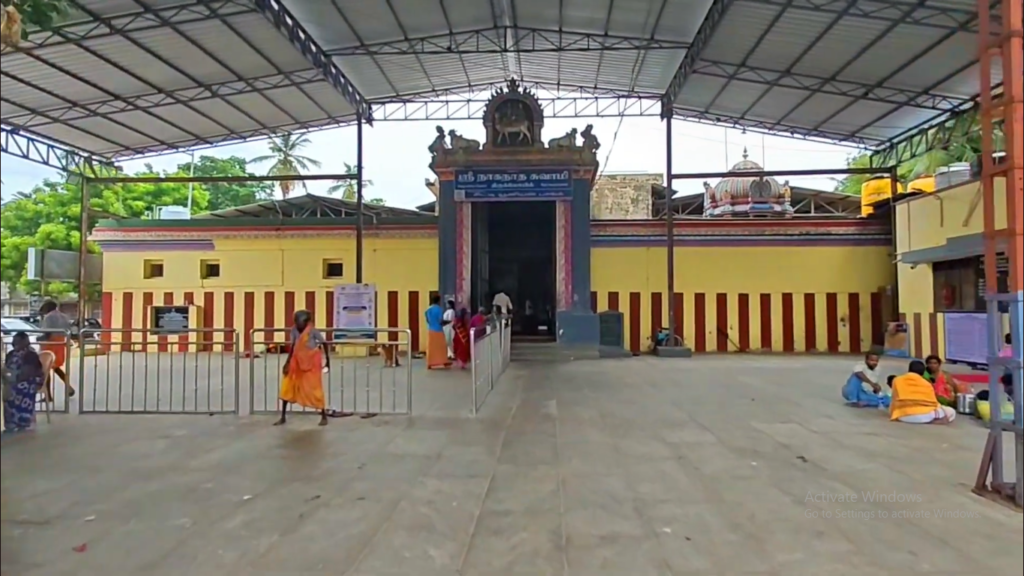
Important Days and Dates
- Tuesdays and Sundays: Considered auspicious for worship of Ketu Bhagavan.
- Guru Peyarchi (Jupiter Transit) days are very important and celebrated with special poojas.
- Amavasya (New Moon Day): Special poojas for Ketu Dosha and ancestral remedies.
- Shukla Paksha Panchami: Traditionally linked with serpent and Ketu worship.
- Maha Shivaratri: Observed due to Ketu’s association with Lord Shiva.
How to Reach
Delhi to Keezhperumpallam:
- By Air: Fly from Delhi to Trichy or Chennai Airport. From there, travel by taxi or train to Mayiladuthurai, then proceed to Keezhperumpallam (approx. 25 km).
- By Train: Delhi to Mayiladuthurai via Chennai or Trichy. Keezhperumpallam is well connected by road from Mayiladuthurai.
- By Road: Long-distance buses are available up to Chennai/Trichy, followed by local transport.
Ahmedabad to Keezhperumpallam:
- By Air: Fly from Ahmedabad to Chennai or Trichy, then continue by road or rail to Mayiladuthurai.
- By Train: Ahmedabad to Mayiladuthurai via Chennai or Villupuram.
- By Road: Interstate buses available till Chennai or Trichy, then continue by road.
History of the Temple
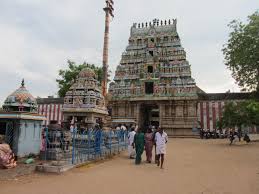
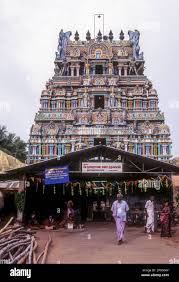
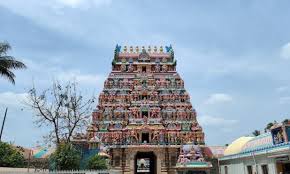
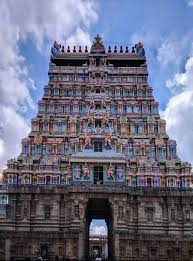
The Ketu Temple at Keezhperumpallam is one of the revered Navagraha temples of Tamil Nadu and is dedicated to Ketu Bhagavan, the south node of the Moon. It is located near Mayiladuthurai in Tamil Nadu.
According to Hindu mythology, Ketu represents spiritual liberation, detachment, and karmic release. At this sacred site, Ketu is believed to have worshipped Lord Shiva to attain divine wisdom and relief from curses.
The temple’s presiding deity is Lord Shiva worshipped as Naganathaswamy, with Goddess Parvati as Soundaryanayaki. Ketu is depicted in a human form with a serpent body, symbolizing his connection with Moksha and spiritual insight./p>
Devotees visit this temple seeking relief from Ketu Dosha, Kala Sarpa Dosha, health issues, and obstacles in spiritual progress. The temple is especially significant for those seeking inner peace and liberation.
Main Poojas Performed
The poojas at this temple are primarily focused on alleviating Ketu Dosha and seeking mental clarity or spiritual growth.
-
- Ketu Parihara Pooja (Ketu Shanti): This is the most significant ritual. Devotees perform this to mitigate the malefic effects of Ketu in their horoscopes. It typically involves an Abishekam (sacred bath) and an Archana.
- Kala Sarpa Dosha Nivarana Pooja: Performed by those whose horoscopes are impacted by the Rahu-Ketu axis (where all planets are hemmed between them). It is believed to remove obstacles in marriage and career.
- Naganathaswamy Abishekam: Daily ritual offerings to the presiding deity, Lord Shiva, which is essential before performing specific Ketu-related rituals.
- Kollu (Horse Gram) Archana: A unique offering where Horse Gram (the grain associated with Ketu) is offered to the deity to seek his blessings.
- Temple Hours: Generally open from 6:00 AM – 12:30 PM and 4:00 PM – 8:00 PM.
Attire (Dressing Guidelines) for Pooja
As a traditional Hindu temple under the HR&CE department, a modest dress code is strictly encouraged to maintain sanctity.
Men:
-
- The preferred attire is a Dhoti (Veshti) with a shirt or a formal trouser and shirt. Many devotees remove their shirts during specific Abishekams. Lungis and shorts are generally prohibited.
Women:
-
- Saris or Churidhars/Salwar Kameez with a dupatta are required. Sleeveless tops or short skirts are not permitted.
General Note:
-
- It is traditional to wear dark-colored clothes (like grey or multicolors) when worshipping Ketu, though not mandatory.
Official Websites
The temple is managed by the Hindu Religious and Charitable Endowments (HR&CE) Department of the Government of Tamil Nadu.
Official Government (HR&CE) Portal:
https://hrce.tn.gov.in/hrcehome/
Specific Temple Link:
https://kethutemple.org/
Description
Important Days and Dates
- Tuesdays and Sundays: Considered auspicious for worship of Ketu Bhagavan.
- Guru Peyarchi (Jupiter Transit) days are very important and celebrated with special poojas.
- Amavasya (New Moon Day): Special poojas for Ketu Dosha and ancestral remedies.
- Shukla Paksha Panchami: Traditionally linked with serpent and Ketu worship.
- Maha Shivaratri: Observed due to Ketu’s association with Lord Shiva.
How to Reach
Delhi to Keezhperumpallam:
- By Air: Fly from Delhi to Trichy or Chennai Airport. From there, travel by taxi or train to Mayiladuthurai, then proceed to Keezhperumpallam (approx. 25 km).
- By Train: Delhi to Mayiladuthurai via Chennai or Trichy. Keezhperumpallam is well connected by road from Mayiladuthurai.
- By Road: Long-distance buses are available up to Chennai/Trichy, followed by local transport.
Ahmedabad to Keezhperumpallam:
- By Air: Fly from Ahmedabad to Chennai or Trichy, then continue by road or rail to Mayiladuthurai.
- By Train: Ahmedabad to Mayiladuthurai via Chennai or Villupuram.
- By Road: Interstate buses available till Chennai or Trichy, then continue by road.
History of the Temple
The Ketu Temple at Keezhperumpallam is one of the revered Navagraha temples of Tamil Nadu and is dedicated to Ketu Bhagavan, the south node of the Moon. It is located near Mayiladuthurai in Tamil Nadu.
According to Hindu mythology, Ketu represents spiritual liberation, detachment, and karmic release. At this sacred site, Ketu is believed to have worshipped Lord Shiva to attain divine wisdom and relief from curses.
The temple’s presiding deity is Lord Shiva worshipped as Naganathaswamy, with Goddess Parvati as Soundaryanayaki. Ketu is depicted in a human form with a serpent body, symbolizing his connection with Moksha and spiritual insight./p>
Devotees visit this temple seeking relief from Ketu Dosha, Kala Sarpa Dosha, health issues, and obstacles in spiritual progress. The temple is especially significant for those seeking inner peace and liberation.
Main Poojas Performed
The poojas at this temple are primarily focused on alleviating Ketu Dosha and seeking mental clarity or spiritual growth.
-
- Ketu Parihara Pooja (Ketu Shanti): This is the most significant ritual. Devotees perform this to mitigate the malefic effects of Ketu in their horoscopes. It typically involves an Abishekam (sacred bath) and an Archana.
- Kala Sarpa Dosha Nivarana Pooja: Performed by those whose horoscopes are impacted by the Rahu-Ketu axis (where all planets are hemmed between them). It is believed to remove obstacles in marriage and career.
- Naganathaswamy Abishekam: Daily ritual offerings to the presiding deity, Lord Shiva, which is essential before performing specific Ketu-related rituals.
- Kollu (Horse Gram) Archana: A unique offering where Horse Gram (the grain associated with Ketu) is offered to the deity to seek his blessings.
- Temple Hours: Generally open from 6:00 AM – 12:30 PM and 4:00 PM – 8:00 PM.
Attire (Dressing Guidelines) for Pooja
As a traditional Hindu temple under the HR&CE department, a modest dress code is strictly encouraged to maintain sanctity.
Men:
-
- The preferred attire is a Dhoti (Veshti) with a shirt or a formal trouser and shirt. Many devotees remove their shirts during specific Abishekams. Lungis and shorts are generally prohibited.
Women:
-
- Saris or Churidhars/Salwar Kameez with a dupatta are required. Sleeveless tops or short skirts are not permitted.
General Note:
-
- It is traditional to wear dark-colored clothes (like grey or multicolors) when worshipping Ketu, though not mandatory.
Official Websites
The temple is managed by the Hindu Religious and Charitable Endowments (HR&CE) Department of the Government of Tamil Nadu.
Official Government (HR&CE) Portal:
https://hrce.tn.gov.in/hrcehome/
Specific Temple Link:
https://kethutemple.org/