-
Kalpeshwar
-
 Chamoli, Uttarakhand
 -
December 19, 2025
-
-
0.00

 December 19, 2025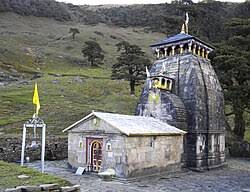
Important Days and Dates
- Maha Shivaratri – Celebrated with great devotion (February–March)
- Shravan Month – Special prayers during July–August
- Mondays (Somvar) – Considered auspicious for Lord Shiva
- Temple remains open throughout the year, including winter months
How to Reach Kalpeshwar Temple
Delhi to Kalpeshwar Temple
By Air: Nearest airport is Jolly Grant Airport, Dehradun (approx. 295 km). From Dehradun, travel by road via Rudraprayag and Helang.
By Train: Nearest railway station is Rishikesh (approx. 275 km). From Rishikesh, taxis and buses are available.
By Road: Delhi → Haridwar → Rishikesh → Rudraprayag → Helang → Urgam Village → Kalpeshwar Temple.
Ahmedabad to Kalpeshwar Temple
By Air: Ahmedabad to Dehradun (via Delhi). From Dehradun, continue by road.
By Train: Ahmedabad → Haridwar/Rishikesh. Then proceed by road.
By Road: Ahmedabad → Delhi → Haridwar → Rishikesh → Rudraprayag → Helang → Urgam Village → Kalpeshwar Temple.
History of Kalpeshwar Temple
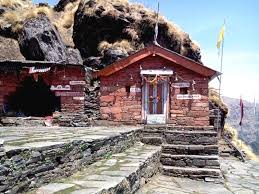
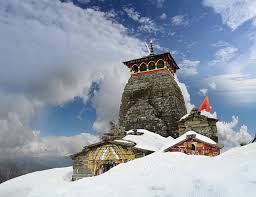
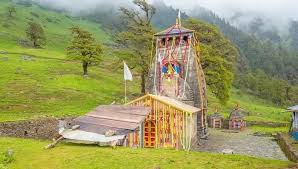
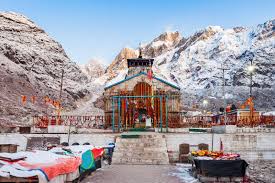
Kalpeshwar Temple is one of the Panch Kedar temples dedicated to Lord Shiva, located in the Urgam Valley of Uttarakhand. According to Hindu mythology, after the Kurukshetra war, the Pandavas sought forgiveness from Lord Shiva for killing their kin. Lord Shiva avoided them by taking the form of a bull and disappeared into the earth. His body parts appeared in different places, which later became the Panch Kedar temples. At Kalpeshwar, Lord Shiva’s matted hair (Jata) is worshipped.
Kalpeshwar is unique among the Panch Kedar temples because it is accessible throughout the year. The temple is surrounded by serene Himalayan landscapes and ancient caves where sages are believed to have meditated.
Main Pooja(s) Performed
- Rudrabhishek (Primary Pooja): Ritual bathing of Lord Shiva using water, milk, honey, curd, and ghee. Performed for health, peace, and spiritual well-being.
- Abhishek Pooja: Daily ritual bathing symbolizing purification and devotion.
- Archana: Chanting of Lord Shiva’s names with offerings such as flowers and bilva leaves.
- Aarti (Morning and Evening): Lamp worship marking the start and end of daily rituals.
Special Aspect
- Temple remains open throughout winter, unlike other Panch Kedar temples.
Attire (Dressing Guidelines) for Pooja
Men: Dhoti-kurta or modest full-length trousers and shirts.
Women: Saree, salwar-kameez, or other modest traditional attire.
Restrictions: Avoid shorts, sleeveless, or revealing clothes. Footwear must be removed before entering the temple.
Description
Important Days and Dates
- Maha Shivaratri – Celebrated with great devotion (February–March)
- Shravan Month – Special prayers during July–August
- Mondays (Somvar) – Considered auspicious for Lord Shiva
- Temple remains open throughout the year, including winter months
How to Reach Kalpeshwar Temple
Delhi to Kalpeshwar Temple
By Air: Nearest airport is Jolly Grant Airport, Dehradun (approx. 295 km). From Dehradun, travel by road via Rudraprayag and Helang.
By Train: Nearest railway station is Rishikesh (approx. 275 km). From Rishikesh, taxis and buses are available.
By Road: Delhi → Haridwar → Rishikesh → Rudraprayag → Helang → Urgam Village → Kalpeshwar Temple.
Ahmedabad to Kalpeshwar Temple
By Air: Ahmedabad to Dehradun (via Delhi). From Dehradun, continue by road.
By Train: Ahmedabad → Haridwar/Rishikesh. Then proceed by road.
By Road: Ahmedabad → Delhi → Haridwar → Rishikesh → Rudraprayag → Helang → Urgam Village → Kalpeshwar Temple.
History of Kalpeshwar Temple
Kalpeshwar Temple is one of the Panch Kedar temples dedicated to Lord Shiva, located in the Urgam Valley of Uttarakhand. According to Hindu mythology, after the Kurukshetra war, the Pandavas sought forgiveness from Lord Shiva for killing their kin. Lord Shiva avoided them by taking the form of a bull and disappeared into the earth. His body parts appeared in different places, which later became the Panch Kedar temples. At Kalpeshwar, Lord Shiva’s matted hair (Jata) is worshipped.
Kalpeshwar is unique among the Panch Kedar temples because it is accessible throughout the year. The temple is surrounded by serene Himalayan landscapes and ancient caves where sages are believed to have meditated.
Main Pooja(s) Performed
- Rudrabhishek (Primary Pooja): Ritual bathing of Lord Shiva using water, milk, honey, curd, and ghee. Performed for health, peace, and spiritual well-being.
- Abhishek Pooja: Daily ritual bathing symbolizing purification and devotion.
- Archana: Chanting of Lord Shiva’s names with offerings such as flowers and bilva leaves.
- Aarti (Morning and Evening): Lamp worship marking the start and end of daily rituals.
Special Aspect
- Temple remains open throughout winter, unlike other Panch Kedar temples.
Attire (Dressing Guidelines) for Pooja
Men: Dhoti-kurta or modest full-length trousers and shirts.
Women: Saree, salwar-kameez, or other modest traditional attire.
Restrictions: Avoid shorts, sleeveless, or revealing clothes. Footwear must be removed before entering the temple.