-
Indru Naag Temple
-
 Himachal Pradesh, Kangra
 -
December 20, 2025
-
-
0.00

 December 20, 2025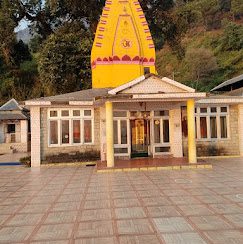
Important Days and Dates
- Nag Panchami: The most important festival dedicated to Naag Devta, usually celebrated in July or August.
- Local Fairs: Small local fairs and rituals are performed by villagers during the summer season.
- Mondays of Shravan Month: Considered auspicious for worship.
How to Reach
From Delhi to Indru Naag Temple:
- By Air: Take a flight from Delhi to Gaggal Airport (Kangra Airport), which is about 20 km from Dharamshala. From the airport, hire a taxi to reach the temple.
- By Train: The nearest railway station is Pathankot. From Pathankot, taxis and buses are available to Dharamshala.
- By Road: Delhi to Dharamshala is approximately 480 km. Regular Volvo and private buses operate from Delhi to Dharamshala.
From Ahmedabad to Indru Naag Temple:
- By Air: Take a flight from Ahmedabad to Delhi or Chandigarh, then connect to Gaggal Airport (Kangra). From there, take a taxi to the temple.
- By Train: Ahmedabad to Pathankot by train, followed by a taxi or bus to Dharamshala.
- By Road: Long-distance road travel via Delhi or Chandigarh is possible but time-consuming.
History of the Temple
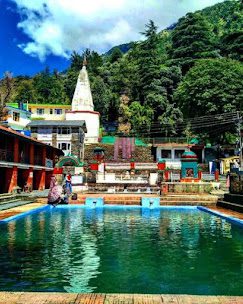
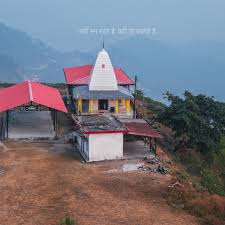
Indru Naag Temple is an ancient and sacred temple located on a hilltop near Dharamshala in Himachal Pradesh. The temple is dedicated to Indru Naag, the local serpent deity worshipped by the people of Kangra valley. According to local beliefs, Indru Naag Devta protects the region from natural calamities and ensures prosperity.
The temple holds special importance during the Nag Panchami festival, when devotees gather in large numbers to offer milk, flowers, and prayers. The serene location of the temple offers panoramic views of Dharamshala and the Dhauladhar mountain range, making it both a spiritual and scenic destination.
Main Poojas Performed
- Primary Deity:
Lord Indru Naag (Indru Nag Devta) – Serpent deity worshipped as controller of rain, weather balance, and protector from natural calamities.- Daily Aarti & Offerings – Morning and evening worship with flowers, incense, and bhog for protection and well-being.
- Nag Panchami Worship – Annual special worship during Shravan month with offerings of milk and flowers.
- Khel‑Patra & Gur Ritual – Local traditional ritual where divine guidance is interpreted by the temple Gur, mainly related to weather and community welfare.
Important Days and Times for Pooja
- Major Festival:
- Nag Panchami (July/August)
- Khaniyara Chinj Mela (March)
- Auspicious Days:
- Shravan Month
- Mondays and Fridays
- Daily Temple Timings:
- Generally open from early morning (around 6:00 AM) to evening (around 7:00–8:00 PM).
Attire (Dressing Guidelines) for Pooja
- Men:
- Kurta-pyjama, dhoti, or modest trousers and shirt
- Women:
- Saree or salwar kameez with dupatta
- Restrictions:
- Footwear must be removed before entry
- No shorts or sleeveless attire
- Footwear must be removed before entry
Official Websites
- Government / Tourism Website:
- No dedicated government or temple trust website is currently available.
- Temple Trust Website:
- Temple administration is managed locally by village committees.
Description
Important Days and Dates
- Nag Panchami: The most important festival dedicated to Naag Devta, usually celebrated in July or August.
- Local Fairs: Small local fairs and rituals are performed by villagers during the summer season.
- Mondays of Shravan Month: Considered auspicious for worship.
How to Reach
From Delhi to Indru Naag Temple:
- By Air: Take a flight from Delhi to Gaggal Airport (Kangra Airport), which is about 20 km from Dharamshala. From the airport, hire a taxi to reach the temple.
- By Train: The nearest railway station is Pathankot. From Pathankot, taxis and buses are available to Dharamshala.
- By Road: Delhi to Dharamshala is approximately 480 km. Regular Volvo and private buses operate from Delhi to Dharamshala.
From Ahmedabad to Indru Naag Temple:
- By Air: Take a flight from Ahmedabad to Delhi or Chandigarh, then connect to Gaggal Airport (Kangra). From there, take a taxi to the temple.
- By Train: Ahmedabad to Pathankot by train, followed by a taxi or bus to Dharamshala.
- By Road: Long-distance road travel via Delhi or Chandigarh is possible but time-consuming.
History of the Temple
Indru Naag Temple is an ancient and sacred temple located on a hilltop near Dharamshala in Himachal Pradesh. The temple is dedicated to Indru Naag, the local serpent deity worshipped by the people of Kangra valley. According to local beliefs, Indru Naag Devta protects the region from natural calamities and ensures prosperity.
The temple holds special importance during the Nag Panchami festival, when devotees gather in large numbers to offer milk, flowers, and prayers. The serene location of the temple offers panoramic views of Dharamshala and the Dhauladhar mountain range, making it both a spiritual and scenic destination.
Main Poojas Performed
- Primary Deity:
Lord Indru Naag (Indru Nag Devta) – Serpent deity worshipped as controller of rain, weather balance, and protector from natural calamities.- Daily Aarti & Offerings – Morning and evening worship with flowers, incense, and bhog for protection and well-being.
- Nag Panchami Worship – Annual special worship during Shravan month with offerings of milk and flowers.
- Khel‑Patra & Gur Ritual – Local traditional ritual where divine guidance is interpreted by the temple Gur, mainly related to weather and community welfare.
Important Days and Times for Pooja
- Major Festival:
- Nag Panchami (July/August)
- Khaniyara Chinj Mela (March)
- Auspicious Days:
- Shravan Month
- Mondays and Fridays
- Daily Temple Timings:
- Generally open from early morning (around 6:00 AM) to evening (around 7:00–8:00 PM).
Attire (Dressing Guidelines) for Pooja
- Men:
- Kurta-pyjama, dhoti, or modest trousers and shirt
- Women:
- Saree or salwar kameez with dupatta
- Restrictions:
- Footwear must be removed before entry
- No shorts or sleeveless attire
- Footwear must be removed before entry
Official Websites
- Government / Tourism Website:
- No dedicated government or temple trust website is currently available.
- Temple Trust Website:
- Temple administration is managed locally by village committees.