
 December 19, 2025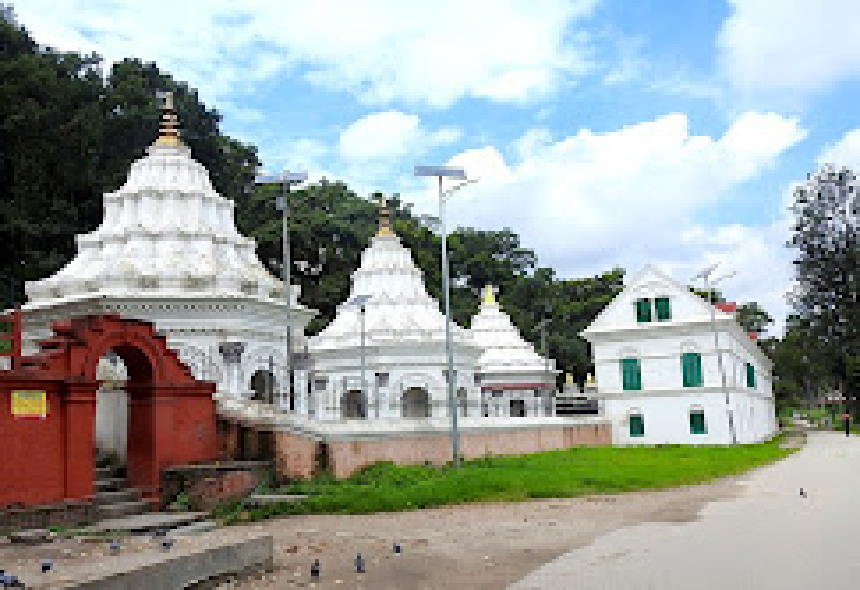
Important Days and Dates
- Navaratri (especially during Ashwin – September/October)
- Dashain Festivals
- Teej Festival (Hartalika Teej)
- Full Moon (Purnima) days, which are considered auspicious for worship
- Maha Shivaratri
How to Reach
Delhi to Guhyeshwari Temple
- Nearest Airport: Tribhuvan International Airport (Kathmandu)
- Flight Duration: Approx. 1.5 to 2 hours from Delhi
- From Airport: The temple is around 5–6 km from the airport; taxis and local vehicles are easily available.
Ahmedabad to Guhyeshwari Temple
- Nearest Airport: Tribhuvan International Airport (Kathmandu)
- Flight: Usually one-stop flights via Delhi or other major cities
- From Airport: The temple is around 5–6 km from the airport; taxis and local vehicles are easily available.
History of the Temple
Guhyeshwari Temple, located near the sacred Pashupatinath Temple in Kathmandu, Nepal, is one of the significant Shakti Peethas. According to Hindu mythology, it marks the spot where the ‘yoni’ of Goddess Sati fell when Lord Shiva carried her body across the world after her self-immolation. The temple is dedicated to Goddess Guhyeshwari (also known as Guhyakali), who represents the secret or hidden aspect of divine energy.
The temple is believed to have been built by King Pratap Malla in the 17th century. It is regarded as highly sacred among Tantric practitioners and devotees of Shakti. Pilgrims visit the temple especially during Navaratri and other auspicious days for spiritual blessings.
Main Poojas Performed
-
-
- Nitya Puja (Daily Worship)
- The primary and most important puja performed daily.
- Conducted by Newar Karmacharya priests following Tantric rituals.
- Includes offering of vermilion (sindoor), flowers, lamps, and mantra chanting.
- Navaratri Special Puja
- Performed during both Chaitra and Sharad Navaratri
- Dedicated to Goddess Guhyeshwari as the supreme Shakti.
- Mondays
- Maha Shivaratri Puja
- Observed with night-long worship and special offerings
- Symbolizes the union of Shiva and Shakti
- Dashain (Durga Puja)
- Major annual festival with elaborate rituals and community participation.
- Nitya Puja (Daily Worship)
-
Important Days and Times for Pooja
-
-
- Major Festival:
- Navaratri
- Maha Shivaratri
- Dashain (Mohani)
- Teej
- Guhyeshwari Jatra
- Auspicious Days:
- Full Moon (Purnima)
- New Moon (Amavasya)
- Mondays
- Temple Timings:
- Morning: Approximately 5:00 AM
- Evening: Approximately 7:00 PM to 8:00 PM (varies seasonally)
- Major Festival:
-
Attire (Dressing Guidelines) for Pooja
Men:
-
-
-
- Dhoti, kurta-pajama, or modest traditional clothing.
-
-
Women:
-
-
-
- Saree, salwar-kameez, or modest traditional dress.
-
-
Restrictions:
-
-
- Footwear must be removed before entering the temple.
- Avoid short, revealing, or inappropriate Western attire.
-
Official Websites
Government / Tourism Reference:
– Nepal Tourism Board – Shakti Peeths of Nepal
Temple Trust Website:
– No officially verified standalone temple trust website is currently available.
Description
Important Days and Dates
- Navaratri (especially during Ashwin – September/October)
- Dashain Festivals
- Teej Festival (Hartalika Teej)
- Full Moon (Purnima) days, which are considered auspicious for worship
- Maha Shivaratri
How to Reach
Delhi to Guhyeshwari Temple
- Nearest Airport: Tribhuvan International Airport (Kathmandu)
- Flight Duration: Approx. 1.5 to 2 hours from Delhi
- From Airport: The temple is around 5–6 km from the airport; taxis and local vehicles are easily available.
Ahmedabad to Guhyeshwari Temple
- Nearest Airport: Tribhuvan International Airport (Kathmandu)
- Flight: Usually one-stop flights via Delhi or other major cities
- From Airport: The temple is around 5–6 km from the airport; taxis and local vehicles are easily available.
History of the Temple
Guhyeshwari Temple, located near the sacred Pashupatinath Temple in Kathmandu, Nepal, is one of the significant Shakti Peethas. According to Hindu mythology, it marks the spot where the ‘yoni’ of Goddess Sati fell when Lord Shiva carried her body across the world after her self-immolation. The temple is dedicated to Goddess Guhyeshwari (also known as Guhyakali), who represents the secret or hidden aspect of divine energy.
The temple is believed to have been built by King Pratap Malla in the 17th century. It is regarded as highly sacred among Tantric practitioners and devotees of Shakti. Pilgrims visit the temple especially during Navaratri and other auspicious days for spiritual blessings.
Main Poojas Performed
-
-
- Nitya Puja (Daily Worship)
- The primary and most important puja performed daily.
- Conducted by Newar Karmacharya priests following Tantric rituals.
- Includes offering of vermilion (sindoor), flowers, lamps, and mantra chanting.
- Navaratri Special Puja
- Performed during both Chaitra and Sharad Navaratri
- Dedicated to Goddess Guhyeshwari as the supreme Shakti.
- Mondays
- Maha Shivaratri Puja
- Observed with night-long worship and special offerings
- Symbolizes the union of Shiva and Shakti
- Dashain (Durga Puja)
- Major annual festival with elaborate rituals and community participation.
- Nitya Puja (Daily Worship)
-
Important Days and Times for Pooja
-
-
- Major Festival:
- Navaratri
- Maha Shivaratri
- Dashain (Mohani)
- Teej
- Guhyeshwari Jatra
- Auspicious Days:
- Full Moon (Purnima)
- New Moon (Amavasya)
- Mondays
- Temple Timings:
- Morning: Approximately 5:00 AM
- Evening: Approximately 7:00 PM to 8:00 PM (varies seasonally)
- Major Festival:
-
Attire (Dressing Guidelines) for Pooja
Men:
-
-
-
- Dhoti, kurta-pajama, or modest traditional clothing.
-
-
Women:
-
-
-
- Saree, salwar-kameez, or modest traditional dress.
-
-
Restrictions:
-
-
- Footwear must be removed before entering the temple.
- Avoid short, revealing, or inappropriate Western attire.
-
Official Websites
Government / Tourism Reference:
– Nepal Tourism Board – Shakti Peeths of Nepal
Temple Trust Website:
– No officially verified standalone temple trust website is currently available.