
-
Gokarna Mahabaleshwar Temple
-
 Karnataka, Uttara Kannada
 -
January 29, 2026
-
-
0.00

 January 29, 2026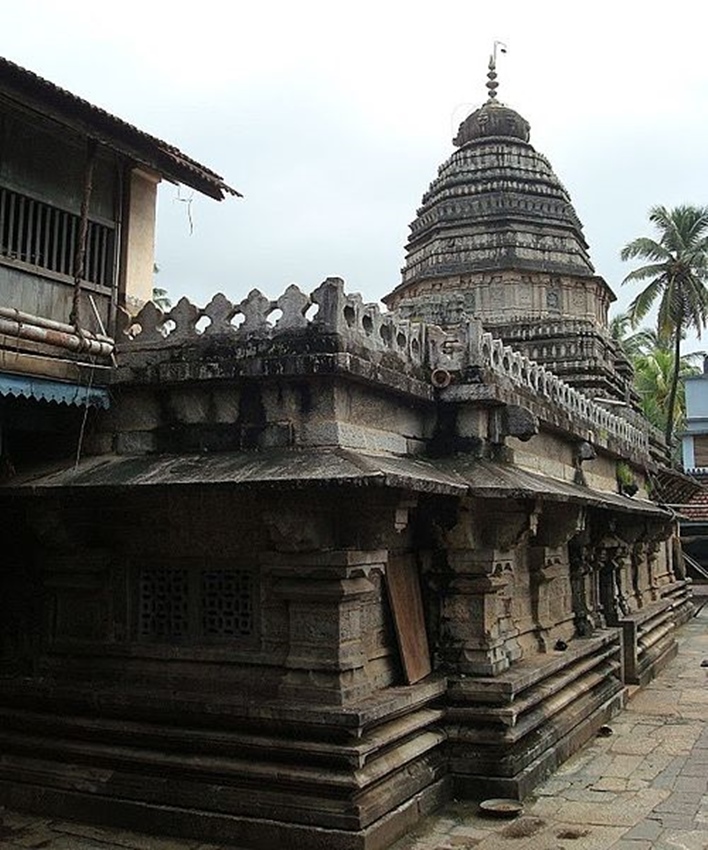
The temple is a hub of spiritual energy, especially during these periods:
Important Days and Dates
- Maha Shivaratri: The most significant festival, celebrated in February or March. It involves a 9-day celebration culminating in a grand Rathotsava (Chariot Festival).
- Shravana Month: The entire Hindu month of Shravana (July–August) is considered holy, with special poojas performed every Monday.
- Ratha Saptami: Celebrated in February; a massive wooden chariot carrying the deity is pulled through the streets of Gokarna.
- Tripurakhya Deepotsava: Celebrated on Kartika Purnima (November), where the temple and the Kotiteertha tank are illuminated with thousands of lamps.
How to Reach
Gokarna is well-connected, though the final leg often involves a short drive from the nearest station or airport.
From Delhi to Gokarna
- By Air: Fly from New Delhi (DEL) to Goa (Manohar International Airport – GOX). From the airport, Gokarna is about 100–140 km (3–4 hours) by taxi or bus.
- By Train: Take the Mangala Lakshadweep Express or Rajdhani Express to Madgaon (Goa) or Karwar. From there, use local trains or buses to reach Gokarna.
- By Road: Distance is ~2,400 km. It is generally not recommended unless as part of a long-haul road trip via Mumbai.
From Ahmedabad to Gokarna
- By Air: Fly from Ahmedabad (AMD) to Goa (GOX). This is the fastest route, followed by a taxi or bus ride to Gokarna.
- By Train: Several trains run on the Konkan Railway route. You can take a train to Madgaon or Gokarna Road (GOK) station. Note: Not all express trains stop at Gokarna Road, so Karwar or Kumta are reliable alternatives.
- By Road: Distance is ~1,100 km. You can drive via Mumbai and the scenic NH66 (Konkan Highway).
History of the Temple
The temple’s history is rooted in the Ramayana.
The Legend : The demon king Ravana performed penance to obtain the Atmalinga from Lord Shiva to make his mother immortal. Shiva granted it but warned that the Linga would become permanently fixed wherever it first touched the ground.
The Trick : Fearing Ravana’s power, the gods asked Lord Ganesha to intervene. Ganesha, disguised as a cowherd, tricked Ravana into letting him hold the Linga. Ganesha placed it on the ground at Gokarna, and it became rooted.
The Name : Ravana tried to pull the Linga out with all his might, but it didn’t budge. He called it Mahabaleshwar (the all-powerful one). The name “Gokarna” (Cow’s Ear) comes from the belief that Shiva emerged from the ear of a cow here.
The current structure dates back to the Kadamba Dynasty (4th Century AD) and features classical Dravidian architectural elements.
Main Poojas Performed
The temple is unique because devotees are allowed to touch the Atmalinga (Sparsha Darshan)..
-
- Rudrabhisheka: The primary offering where the Linga is bathed with water, milk, and honey while chanting the Sri Rudram.
- Panchamrutabhisheka: A sacred bath using five elements (milk, curd, ghee, honey, and sugar) to seek health and prosperity.
- Bilvarchana: Offering of Bilva leaves (sacred to Shiva) while chanting 108 or 1008 names of the Lord.
- Narayana Bali: A specialized ritual performed for the peace of ancestors and to remove Pitru Dosha.
- Naga Pratishta: Performed to alleviate Sarpa Dosha (snake-related astrological afflictions).
Attire (Dressing Guidelines) for Pooja
The temple follows a strict traditional dress code for anyone entering the inner sanctum for pooja.
Men:
-
- Must wear a Dhoti (Veshti)
Women:
-
- Saree or Salwar Kameez with a dupatta (pallu).
Restrictions:
-
- Jeans, short skirts, or sleeveless tops are not permitted.
- Men must enter the inner sanctum shirtless (bare chest). Vests, t-shirts, and trousers/jeans are strictly prohibited during rituals.
Official Websites
Government Portal:
https://uttarakannada.nic.in/en/tourist-place/gokarna/
Temple Trust/Information:
https://shrigokarna.com/
Description
The temple is a hub of spiritual energy, especially during these periods:
Important Days and Dates
- Maha Shivaratri: The most significant festival, celebrated in February or March. It involves a 9-day celebration culminating in a grand Rathotsava (Chariot Festival).
- Shravana Month: The entire Hindu month of Shravana (July–August) is considered holy, with special poojas performed every Monday.
- Ratha Saptami: Celebrated in February; a massive wooden chariot carrying the deity is pulled through the streets of Gokarna.
- Tripurakhya Deepotsava: Celebrated on Kartika Purnima (November), where the temple and the Kotiteertha tank are illuminated with thousands of lamps.
How to Reach
Gokarna is well-connected, though the final leg often involves a short drive from the nearest station or airport.
From Delhi to Gokarna
- By Air: Fly from New Delhi (DEL) to Goa (Manohar International Airport – GOX). From the airport, Gokarna is about 100–140 km (3–4 hours) by taxi or bus.
- By Train: Take the Mangala Lakshadweep Express or Rajdhani Express to Madgaon (Goa) or Karwar. From there, use local trains or buses to reach Gokarna.
- By Road: Distance is ~2,400 km. It is generally not recommended unless as part of a long-haul road trip via Mumbai.
From Ahmedabad to Gokarna
- By Air: Fly from Ahmedabad (AMD) to Goa (GOX). This is the fastest route, followed by a taxi or bus ride to Gokarna.
- By Train: Several trains run on the Konkan Railway route. You can take a train to Madgaon or Gokarna Road (GOK) station. Note: Not all express trains stop at Gokarna Road, so Karwar or Kumta are reliable alternatives.
- By Road: Distance is ~1,100 km. You can drive via Mumbai and the scenic NH66 (Konkan Highway).
History of the Temple
The temple’s history is rooted in the Ramayana.
The Legend : The demon king Ravana performed penance to obtain the Atmalinga from Lord Shiva to make his mother immortal. Shiva granted it but warned that the Linga would become permanently fixed wherever it first touched the ground.
The Trick : Fearing Ravana’s power, the gods asked Lord Ganesha to intervene. Ganesha, disguised as a cowherd, tricked Ravana into letting him hold the Linga. Ganesha placed it on the ground at Gokarna, and it became rooted.
The Name : Ravana tried to pull the Linga out with all his might, but it didn’t budge. He called it Mahabaleshwar (the all-powerful one). The name “Gokarna” (Cow’s Ear) comes from the belief that Shiva emerged from the ear of a cow here.
The current structure dates back to the Kadamba Dynasty (4th Century AD) and features classical Dravidian architectural elements.
Main Poojas Performed
The temple is unique because devotees are allowed to touch the Atmalinga (Sparsha Darshan)..
-
- Rudrabhisheka: The primary offering where the Linga is bathed with water, milk, and honey while chanting the Sri Rudram.
- Panchamrutabhisheka: A sacred bath using five elements (milk, curd, ghee, honey, and sugar) to seek health and prosperity.
- Bilvarchana: Offering of Bilva leaves (sacred to Shiva) while chanting 108 or 1008 names of the Lord.
- Narayana Bali: A specialized ritual performed for the peace of ancestors and to remove Pitru Dosha.
- Naga Pratishta: Performed to alleviate Sarpa Dosha (snake-related astrological afflictions).
Attire (Dressing Guidelines) for Pooja
The temple follows a strict traditional dress code for anyone entering the inner sanctum for pooja.
Men:
-
- Must wear a Dhoti (Veshti)
Women:
-
- Saree or Salwar Kameez with a dupatta (pallu).
Restrictions:
-
- Jeans, short skirts, or sleeveless tops are not permitted.
- Men must enter the inner sanctum shirtless (bare chest). Vests, t-shirts, and trousers/jeans are strictly prohibited during rituals.
Official Websites
Government Portal:
https://uttarakannada.nic.in/en/tourist-place/gokarna/
Temple Trust/Information:
https://shrigokarna.com/