
 January 29, 2026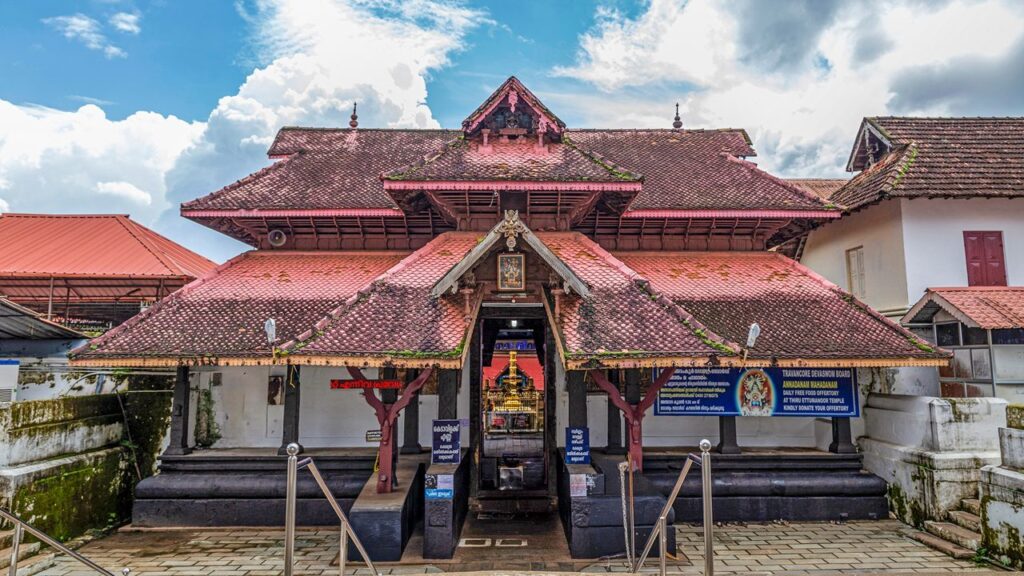
The temple follows the Malayalam calendar for its rituals. The most significant event is the Annual Arattu Festival, which lasts for 10 days.
Important Days and Dates
- Annual Arattu Festival: February
- Thrikodiyettu (Flag Hoisting): February
- Ezharaponnana Darshanam: February (Midnight). This is the most famous day when the seven-and-a-half golden elephants are displayed.
- Maha Shivaratri: February (Special poojas and night-long vigils).
- Pradosham: Observed twice every month; considered highly auspicious for Lord Shiva.
How to Reach
From Delhi to Ettumanoor
- By Air: Fly from Indira Gandhi International Airport (DEL) to Cochin International Airport (COK). From the airport, the temple is approximately 75 km away (a 2-hour drive via taxi or bus).
- By Train: Take the Kerala Express (12626) directly to Kottayam (KTYM) railway station. The temple is about 11 km from the station. Alternatively, use the Himsagar Express or NZM TVC SF Exp.
From Ahmedabad to Ettumanoor
- By Air: Fly from Sardar Vallabhbhai Patel International Airport (AMD) to Cochin International Airport (COK).
- By Train: Take the VRL TVC Express (16333) or GIMB TEN EXP (20924) to Kottayam or Ernakulam. From Kottayam, local buses and taxis are frequently available to Ettumanoor (20-30 minute drive).
History of the Temple
The history of Ettumanoor Mahadeva Temple is steeped in legend. It is believed that the Asura Khara received three Shivalingas from Lord Shiva. He carried one in his right hand, one in his left, and one in his mouth. The linga in his left hand was consecrated here at Ettumanoor.
The name “Ettumanoor” is derived from “Ettu” (eight) and “Manoor” (land of deer), referring to the legend where Shiva took the form of a deer. The current structure was rebuilt in 1542 AD. It is world-renowned for its mural of Nataraja (the cosmic dance of Shiva) located at the entrance.
Main Poojas Performed
The rituals at Ettumanoor follow strict Vedic traditions. Below are the primary offerings in order of significance:.
-
- Udayasthamana PoojaThe most elaborate pooja performed from sunrise to sunset, involving 18 special poojas.
- Pradosha PoojaPerformed during the evening of Pradosham days to seek relief from sins and for prosperity.
- Dhara (Ksheeradhara)A continuous pouring of milk or water over the Shivalinga. Ksheeradhara (milk) is the most prominent.
- Ganapathi HomamA ritual dedicated to Lord Ganesha, usually performed in the morning to remove obstacles.
- ThulabharamA devotee is weighed against offerings like banana, sugar, or coconut to fulfill a vow
Note:
The Valiya Vilakku (Great Oil Lamp) at the entrance is unique. Devotees offer oil to this lamp, which has been burning for over 450 years.
Attire (Dressing Guidelines) for Pooja
TThe temple maintains a strict traditional dress code:
Men:
-
- Must wear a Mundu (Dhoti). Upper body must be bare; shirts and vests are not allowed inside the inner prakaram.
Women:
-
- Must wear a Saree, Set-mundu, or Long Skirt and Blouse. Salwar Kameez is generally permitted if worn with a dupatta, but traditional sarees are preferred.
Restrictions:
-
- Jeans, shorts, T-shirts, and modern western wear are strictly prohibited for all devotees.
Official Websites
Temple Official Website:
https://ettumanoormahadevatemple.com/
Government/Board Website:
http://travancoredevaswomboard.org/
Description
The temple follows the Malayalam calendar for its rituals. The most significant event is the Annual Arattu Festival, which lasts for 10 days.
Important Days and Dates
- Annual Arattu Festival: February
- Thrikodiyettu (Flag Hoisting): February
- Ezharaponnana Darshanam: February (Midnight). This is the most famous day when the seven-and-a-half golden elephants are displayed.
- Maha Shivaratri: February (Special poojas and night-long vigils).
- Pradosham: Observed twice every month; considered highly auspicious for Lord Shiva.
How to Reach
From Delhi to Ettumanoor
- By Air: Fly from Indira Gandhi International Airport (DEL) to Cochin International Airport (COK). From the airport, the temple is approximately 75 km away (a 2-hour drive via taxi or bus).
- By Train: Take the Kerala Express (12626) directly to Kottayam (KTYM) railway station. The temple is about 11 km from the station. Alternatively, use the Himsagar Express or NZM TVC SF Exp.
From Ahmedabad to Ettumanoor
- By Air: Fly from Sardar Vallabhbhai Patel International Airport (AMD) to Cochin International Airport (COK).
- By Train: Take the VRL TVC Express (16333) or GIMB TEN EXP (20924) to Kottayam or Ernakulam. From Kottayam, local buses and taxis are frequently available to Ettumanoor (20-30 minute drive).
History of the Temple
The history of Ettumanoor Mahadeva Temple is steeped in legend. It is believed that the Asura Khara received three Shivalingas from Lord Shiva. He carried one in his right hand, one in his left, and one in his mouth. The linga in his left hand was consecrated here at Ettumanoor.
The name “Ettumanoor” is derived from “Ettu” (eight) and “Manoor” (land of deer), referring to the legend where Shiva took the form of a deer. The current structure was rebuilt in 1542 AD. It is world-renowned for its mural of Nataraja (the cosmic dance of Shiva) located at the entrance.
Main Poojas Performed
The rituals at Ettumanoor follow strict Vedic traditions. Below are the primary offerings in order of significance:.
-
- Udayasthamana PoojaThe most elaborate pooja performed from sunrise to sunset, involving 18 special poojas.
- Pradosha PoojaPerformed during the evening of Pradosham days to seek relief from sins and for prosperity.
- Dhara (Ksheeradhara)A continuous pouring of milk or water over the Shivalinga. Ksheeradhara (milk) is the most prominent.
- Ganapathi HomamA ritual dedicated to Lord Ganesha, usually performed in the morning to remove obstacles.
- ThulabharamA devotee is weighed against offerings like banana, sugar, or coconut to fulfill a vow
Note:
The Valiya Vilakku (Great Oil Lamp) at the entrance is unique. Devotees offer oil to this lamp, which has been burning for over 450 years.
Attire (Dressing Guidelines) for Pooja
TThe temple maintains a strict traditional dress code:
Men:
-
- Must wear a Mundu (Dhoti). Upper body must be bare; shirts and vests are not allowed inside the inner prakaram.
Women:
-
- Must wear a Saree, Set-mundu, or Long Skirt and Blouse. Salwar Kameez is generally permitted if worn with a dupatta, but traditional sarees are preferred.
Restrictions:
-
- Jeans, shorts, T-shirts, and modern western wear are strictly prohibited for all devotees.
Official Websites
Temple Official Website:
https://ettumanoormahadevatemple.com/
Government/Board Website:
http://travancoredevaswomboard.org/