-
Danavulapadu Jain temple
-
 Andhra Pradesh, Kadapa
 -
December 26, 2025
-
-
0.00

 December 26, 2025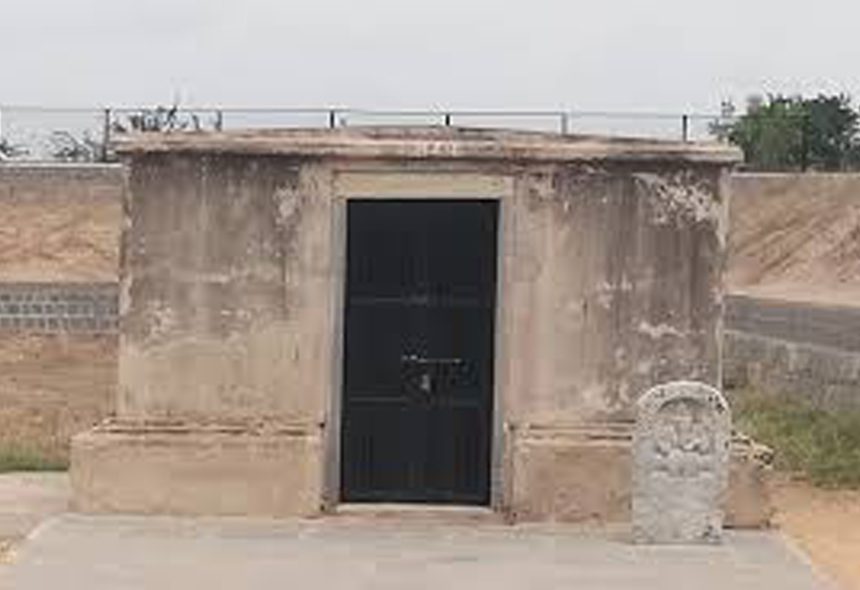
Important Days and Dates
Major Jain festivals observed by devotees at or associated with Jain temples such as Danavulapadu Jain Temple (dates vary each year as per the lunar calendar):
- Mahavir Jayanti – Birth anniversary of Lord Mahavira
- Paryushana / Samvatsari – Main Jain festival of repentance and forgiveness
- Parshvanath Jayanti – Birth celebration of Lord Parshvanatha
- Diwali – Observed by Jains as the day of Lord Mahavira’s Nirvana
- Daslakshan Parva – Ten-day spiritual observance following Paryushana
How to Reach
Delhi to Danavulapadu Jain temple
- By Air: Fly from Delhi (DEL) to Kadapa Airport (CDP) via major hubs such as Hyderabad or Bengaluru; then travel by taxi or bus to Jammalamadugu and onward to Danavulapadu village.
- By Train: Travel from Delhi to Kadapa or nearby major stations (Proddatur/Jammalamadugu) and continue by road.
- By Road: Long-distance road journey via national highways to Kadapa district, followed by local roads to Danavulapadu.
Ahmedabad to Danavulapadu Jain temple
- By Air: Fly from Ahmedabad (AMD) to Kadapa Airport (CDP) via Hyderabad/Bengaluru; then proceed by taxi or bus to Danavulapadu via Jammalamadugu.
- By Train: Trains are available from Ahmedabad to Kadapa or nearby stations; continue by road thereafter.
- By Road: Travel by car or bus via national highways toward Kadapa district, then local approach roads to the temple.
History of the Temple
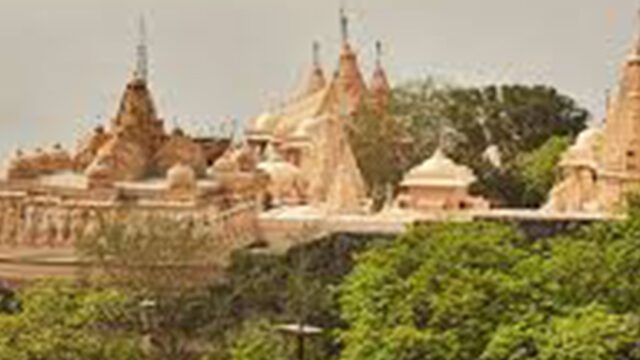
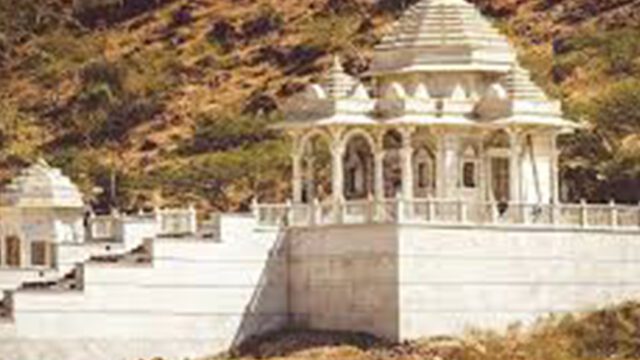
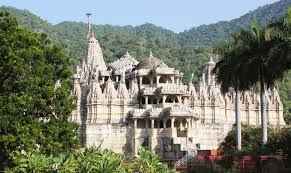
Danavulapadu Jain Temple is an ancient Jain religious site located in Danavulapadu village in Jammalamadugu mandal of Kadapa district, Andhra Pradesh, India.The temple, affiliated with the Digambara Jain tradition, is historically associated with the Rashtrakuta period.
The site came to modern notice in the early twentieth century (around 1903) and contains remains dating from approximately the 8th to 13th centuries CE.The temple complex once housed images of Tirthankaras,including an impressive figure of Lord Parshvanatha in kayotsarga (standing) posture beneath a five-hooded serpent canopy.Inscriptions indicate royal patronage, including during the reign of Rashtrakuta rulers,and references to major Jain rituals such as Mahamastakabhisheka. Many sculptures and archaeological findings from the site are presently preserved in regional museums.
The temple today stands as an important symbol of the spread of Jainism in South India and the artistic and architectural traditions of the Rashtrakuta era.
Description
Important Days and Dates
Major Jain festivals observed by devotees at or associated with Jain temples such as Danavulapadu Jain Temple (dates vary each year as per the lunar calendar):
- Mahavir Jayanti – Birth anniversary of Lord Mahavira
- Paryushana / Samvatsari – Main Jain festival of repentance and forgiveness
- Parshvanath Jayanti – Birth celebration of Lord Parshvanatha
- Diwali – Observed by Jains as the day of Lord Mahavira’s Nirvana
- Daslakshan Parva – Ten-day spiritual observance following Paryushana
How to Reach
Delhi to Danavulapadu Jain temple
- By Air: Fly from Delhi (DEL) to Kadapa Airport (CDP) via major hubs such as Hyderabad or Bengaluru; then travel by taxi or bus to Jammalamadugu and onward to Danavulapadu village.
- By Train: Travel from Delhi to Kadapa or nearby major stations (Proddatur/Jammalamadugu) and continue by road.
- By Road: Long-distance road journey via national highways to Kadapa district, followed by local roads to Danavulapadu.
Ahmedabad to Danavulapadu Jain temple
- By Air: Fly from Ahmedabad (AMD) to Kadapa Airport (CDP) via Hyderabad/Bengaluru; then proceed by taxi or bus to Danavulapadu via Jammalamadugu.
- By Train: Trains are available from Ahmedabad to Kadapa or nearby stations; continue by road thereafter.
- By Road: Travel by car or bus via national highways toward Kadapa district, then local approach roads to the temple.
History of the Temple
Danavulapadu Jain Temple is an ancient Jain religious site located in Danavulapadu village in Jammalamadugu mandal of Kadapa district, Andhra Pradesh, India.The temple, affiliated with the Digambara Jain tradition, is historically associated with the Rashtrakuta period.
The site came to modern notice in the early twentieth century (around 1903) and contains remains dating from approximately the 8th to 13th centuries CE.The temple complex once housed images of Tirthankaras,including an impressive figure of Lord Parshvanatha in kayotsarga (standing) posture beneath a five-hooded serpent canopy.Inscriptions indicate royal patronage, including during the reign of Rashtrakuta rulers,and references to major Jain rituals such as Mahamastakabhisheka. Many sculptures and archaeological findings from the site are presently preserved in regional museums.
The temple today stands as an important symbol of the spread of Jainism in South India and the artistic and architectural traditions of the Rashtrakuta era.