
 January 27, 2026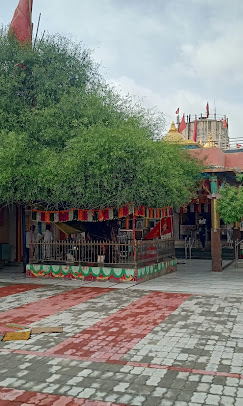
Important Days and Dates
- Poonam (Full Moon Day): Special prayers and rituals are performed.
- Navratri (Chaitra and Sharad): The most important festival celebrated with great devotion.
- Chehar Maa Jayanti: Celebrated by devotees with special puja and offerings.
- Sundays and Tuesdays: Considered especially auspicious for visiting the temple.
How to Reach
From Delhi to Chehar Maa Temple, Mehsana
- By Air: Fly from Delhi to Ahmedabad Airport. From Ahmedabad, Mehsana is about 75 km by road.
- By Train: Direct or connecting trains are available from Delhi to Mehsana Junction.
- By Road: Delhi to Mehsana is approximately 900 km via NH48.
Ahmedabad to Chehar Maa Temple, Mehsana
- By Road: Mehsana is about 75 km from Ahmedabad. Buses, taxis, and private vehicles are easily available.
- By Train: Frequent passenger and express trains run between Ahmedabad and Mehsana.
- By Bus: GSRTC buses operate regularly from Ahmedabad to Mehsana.
History of the Temple
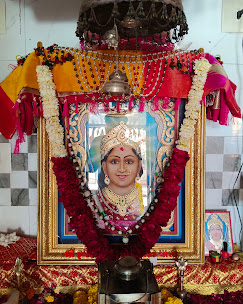
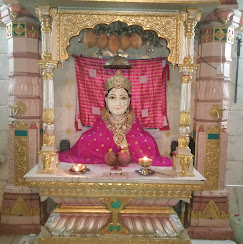
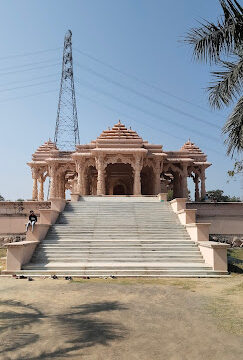
Chehar Maa is a revered Hindu goddess and the kuldevi (family deity) of several communities in Gujarat, especially the Rabari, Bharwad, and other pastoral communities. The Chehar Maa Temple in Mehsana is considered the main and most famous temple dedicated to the goddess.
According to belief, Chehar Maa is an incarnation of Goddess Durga and is worshipped for protection, strength, and fulfillment of wishes. The temple has been a center of faith for centuries, attracting devotees from across Gujarat and neighboring states. Over time, the temple has been developed and expanded, but it still retains its spiritual and cultural significance. During festivals, especially Navratri, the temple परिसर (premises) becomes a vibrant place of devotion and celebration.
Main Poojas Performed
The rituals at Martoli are centered around the “Swayambhu” (self-manifested) presence of the deity. The poojas are performed with deep Vedic and local traditions.
-
- Maha Aarti: This is the most vital daily ritual. It is performed twice a day (morning and evening). The evening Aarti, in particular, draws hundreds of devotees who believe witnessing it brings mental peace and prosperity.
- Chundadi Manorath: A primary ritual where devotees offer a decorative silk cloth (Chundadi) to the Goddess. This is often done to fulfill a vow (Badha) or to seek protection for one’s family.
- Nived / Naivedya: A ritualistic offering of food. Special “Sukhadi” (a sweet made of wheat flour, ghee, and jaggery) is the traditional prasad offered to Chehar Maa.
- Havan (Yagna): Performed on special occasions or by families seeking purification and divine intervention. This involves chanting mantras and making offerings into the sacred fire.
Attire (Dressing Guidelines) for Pooja
While many Hindu temples in Gujarat are progressively flexible, traditional decorum is highly encouraged at the Martoli Chehar Maa temple to maintain sanctity.
Men:
-
- Traditional attire such as Dhoti-Kurta or Pajama-Kurta is recommended for performing special poojas. However, formal shirts and trousers are permitted for general darshan.
Women:
-
- Saris or Punjabi suits with a dupatta are the standard. Devotees are traditionally expected to cover their heads during the Aarti as a mark of respect.
General:
-
- Short skirts, sleeveless tops, or overly casual “beachwear” are generally discouraged and may be considered disrespectful to the local customs.
The administration of the temple is handled by the local trust. It is important to note that many rural Gujarati temples do not have high-traffic “.gov” domains but operate through dedicated trust portals.
Official Websites
Temple Trust Website:
http://cheharmaamartoli.org/
Government Reference:
Information regarding the temple as a pilgrimage destination can often be found on the Gujarat Tourism Official Website.
Description
Important Days and Dates
- Poonam (Full Moon Day): Special prayers and rituals are performed.
- Navratri (Chaitra and Sharad): The most important festival celebrated with great devotion.
- Chehar Maa Jayanti: Celebrated by devotees with special puja and offerings.
- Sundays and Tuesdays: Considered especially auspicious for visiting the temple.
How to Reach
From Delhi to Chehar Maa Temple, Mehsana
- By Air: Fly from Delhi to Ahmedabad Airport. From Ahmedabad, Mehsana is about 75 km by road.
- By Train: Direct or connecting trains are available from Delhi to Mehsana Junction.
- By Road: Delhi to Mehsana is approximately 900 km via NH48.
Ahmedabad to Chehar Maa Temple, Mehsana
- By Road: Mehsana is about 75 km from Ahmedabad. Buses, taxis, and private vehicles are easily available.
- By Train: Frequent passenger and express trains run between Ahmedabad and Mehsana.
- By Bus: GSRTC buses operate regularly from Ahmedabad to Mehsana.
History of the Temple
Chehar Maa is a revered Hindu goddess and the kuldevi (family deity) of several communities in Gujarat, especially the Rabari, Bharwad, and other pastoral communities. The Chehar Maa Temple in Mehsana is considered the main and most famous temple dedicated to the goddess.
According to belief, Chehar Maa is an incarnation of Goddess Durga and is worshipped for protection, strength, and fulfillment of wishes. The temple has been a center of faith for centuries, attracting devotees from across Gujarat and neighboring states. Over time, the temple has been developed and expanded, but it still retains its spiritual and cultural significance. During festivals, especially Navratri, the temple परिसर (premises) becomes a vibrant place of devotion and celebration.
Main Poojas Performed
The rituals at Martoli are centered around the “Swayambhu” (self-manifested) presence of the deity. The poojas are performed with deep Vedic and local traditions.
-
- Maha Aarti: This is the most vital daily ritual. It is performed twice a day (morning and evening). The evening Aarti, in particular, draws hundreds of devotees who believe witnessing it brings mental peace and prosperity.
- Chundadi Manorath: A primary ritual where devotees offer a decorative silk cloth (Chundadi) to the Goddess. This is often done to fulfill a vow (Badha) or to seek protection for one’s family.
- Nived / Naivedya: A ritualistic offering of food. Special “Sukhadi” (a sweet made of wheat flour, ghee, and jaggery) is the traditional prasad offered to Chehar Maa.
- Havan (Yagna): Performed on special occasions or by families seeking purification and divine intervention. This involves chanting mantras and making offerings into the sacred fire.
Attire (Dressing Guidelines) for Pooja
While many Hindu temples in Gujarat are progressively flexible, traditional decorum is highly encouraged at the Martoli Chehar Maa temple to maintain sanctity.
Men:
-
- Traditional attire such as Dhoti-Kurta or Pajama-Kurta is recommended for performing special poojas. However, formal shirts and trousers are permitted for general darshan.
Women:
-
- Saris or Punjabi suits with a dupatta are the standard. Devotees are traditionally expected to cover their heads during the Aarti as a mark of respect.
General:
-
- Short skirts, sleeveless tops, or overly casual “beachwear” are generally discouraged and may be considered disrespectful to the local customs.
The administration of the temple is handled by the local trust. It is important to note that many rural Gujarati temples do not have high-traffic “.gov” domains but operate through dedicated trust portals.
Official Websites
Temple Trust Website:
http://cheharmaamartoli.org/
Government Reference:
Information regarding the temple as a pilgrimage destination can often be found on the Gujarat Tourism Official Website.