
 January 27, 2026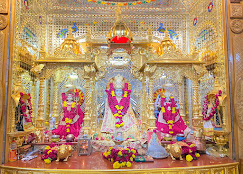
Important Days and Dates
The temple follows the Hindu lunar calendar for its primary celebrations:
- Vasant Panchami: This is the most significant day at the temple, celebrated as the “Pragatya Din” (Manifestation Day) of Chehar Maa
- Purnima (Full Moon Day): Every Purnima is considered auspicious, with special Maha Aarti and a large influx of devotees
- Navratri: Both the Chaitra Navratri and Sharad Navratri are celebrated with traditional rituals, Garba, and special offerings.
- Sundays and Tuesdays: These days are specifically dedicated to the Goddess, and special prayers are held weekly.
How to Reach
Delhi to Chehar Maa Temple (Harij)
- By Air: Fly from Indira Gandhi International Airport (DEL) to Sardar Vallabhbhai Patel International Airport (AMD) in Ahmedabad. From the airport, Harij is approximately 115 km away and can be reached via taxi or bus.
- By Train: Take a train from Delhi to Mehsana Junction or Patan. Popular trains include the Ashram Express or Swarna Jayanti Rajdhani (stopping at Mehsana). From Mehsana/Patan, hire a local taxi or take a GSRTC bus to Harij (approx. 1 to 1.5 hours).
- By Road: A road trip via NH48 covers about 900 km. The route typically goes through Jaipur, Ajmer, and Udaipur towards Mehsana and then Harij.
Ahmedabad to Chehar Maa Temple (Harij)
- By Road: Harij is roughly 115 km from Ahmedabad. You can drive via the Ahmedabad-Mehsana Highway. State transport (GSRTC) buses run regularly from the Ranip Bus Port and Gita Mandir Bus Stand.
- By Train: You can take a local or express train from Ahmedabad Junction to Mehsana or Patan, then proceed by local transport to the temple.
History of the Temple
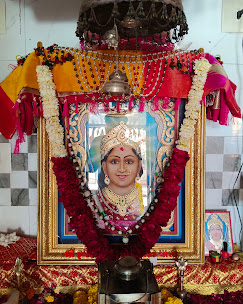
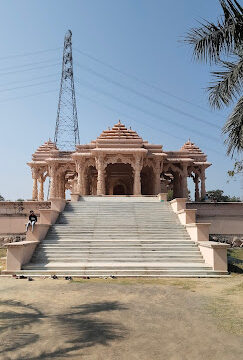
The Chehar Maa Temple in Harij is a deeply revered site in North Gujarat. According to local lore and religious history:
Incarnation: Chehar Maa is considered a powerful manifestation of Goddess Shakti (often linked to Chamunda Maa)..
The Legend of Shekhavatsinh: History suggests the Goddess appeared to a dedicated devotee named Shekhavatsinh Rathore. Legend tells of her manifestation near a “Keshuda” tree.
Migration to Martoli and Harij: While Martoli is a primary seat, the temple at Harij is an essential “Dham” for followers. It is believed that the Goddess provides protection to the village and fulfills the “Manat” (wishes) of those who visit with a pure heart.
Cultural Significance: The temple serves as a spiritual hub for various communities in Gujarat, particularly the Rajput and local farming communities, who view her as a guardian deity.
Main Poojas Performed
The rituals at the Harij Chehar Maa temple follow traditional Shakti worship protocols
-
- Mangala Aarti: The most vital ritual performed at dawn (approx. 5:30 AM – 6:30 AM). It marks the first viewing (Darshan) of the day.
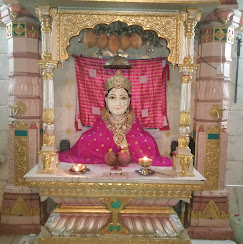
- Shringar Aarti: Performed after the Goddess is adorned with traditional silk clothes and jewelry. This is the primary time for devotees to witness the deity’s full form.
- Sandhya Aarti: Performed at sunset. This is the most attended public ceremony, characterized by the rhythmic beating of drums and bells.
- Thal (Bhog): An offering of traditional vegetarian meals (typically including Sukhdi or Ladoo) presented to the Goddess before the afternoon rest period.
- Srifal Vadherve (Coconut Offering): A common individual pooja where devotees offer coconuts as a mark of surrendering the ego and seeking protection
Attire (Dressing Guidelines) for Pooja
As with most major Shakti Peeths and traditional temples in Gujarat, a modest dress code is expected to maintain the sanctity of the sanctum.
Men:
-
- Dhoti-Kurta or Kurta-Pyjama. Simple formal wear (Shirt and Trousers) is also permitted.
Women:
-
- Saree or Salwar Kameez with a Dupatta.
General:
-
- Shorts, lungis, or sleeveless vests are generally discouraged inside the main prayer hall.
- It is a common tradition in North Gujarat for women to cover their heads with a veil or dupatta while performing the Aarti or standing before the deity.
- Footwear must be deposited at the designated counters outside the temple entrance.
The temple is managed by a local Trust that focuses on community service and temple maintenance
Official Websites
Official Temple Trust:
There is no dedicated government sub-domain for this temple; however, travel information is often verified through the Patan District Official Portal.
Government/Tourism Info:
The temple does not currently operate an independent, transactional e-commerce website for pooja bookings. Verified information and live darshan updates are primarily managed through their community-led social media
Description
Important Days and Dates
The temple follows the Hindu lunar calendar for its primary celebrations:
- Vasant Panchami: This is the most significant day at the temple, celebrated as the “Pragatya Din” (Manifestation Day) of Chehar Maa
- Purnima (Full Moon Day): Every Purnima is considered auspicious, with special Maha Aarti and a large influx of devotees
- Navratri: Both the Chaitra Navratri and Sharad Navratri are celebrated with traditional rituals, Garba, and special offerings.
- Sundays and Tuesdays: These days are specifically dedicated to the Goddess, and special prayers are held weekly.
How to Reach
Delhi to Chehar Maa Temple (Harij)
- By Air: Fly from Indira Gandhi International Airport (DEL) to Sardar Vallabhbhai Patel International Airport (AMD) in Ahmedabad. From the airport, Harij is approximately 115 km away and can be reached via taxi or bus.
- By Train: Take a train from Delhi to Mehsana Junction or Patan. Popular trains include the Ashram Express or Swarna Jayanti Rajdhani (stopping at Mehsana). From Mehsana/Patan, hire a local taxi or take a GSRTC bus to Harij (approx. 1 to 1.5 hours).
- By Road: A road trip via NH48 covers about 900 km. The route typically goes through Jaipur, Ajmer, and Udaipur towards Mehsana and then Harij.
Ahmedabad to Chehar Maa Temple (Harij)
- By Road: Harij is roughly 115 km from Ahmedabad. You can drive via the Ahmedabad-Mehsana Highway. State transport (GSRTC) buses run regularly from the Ranip Bus Port and Gita Mandir Bus Stand.
- By Train: You can take a local or express train from Ahmedabad Junction to Mehsana or Patan, then proceed by local transport to the temple.
History of the Temple
The Chehar Maa Temple in Harij is a deeply revered site in North Gujarat. According to local lore and religious history:
Incarnation: Chehar Maa is considered a powerful manifestation of Goddess Shakti (often linked to Chamunda Maa)..
The Legend of Shekhavatsinh: History suggests the Goddess appeared to a dedicated devotee named Shekhavatsinh Rathore. Legend tells of her manifestation near a “Keshuda” tree.
Migration to Martoli and Harij: While Martoli is a primary seat, the temple at Harij is an essential “Dham” for followers. It is believed that the Goddess provides protection to the village and fulfills the “Manat” (wishes) of those who visit with a pure heart.
Cultural Significance: The temple serves as a spiritual hub for various communities in Gujarat, particularly the Rajput and local farming communities, who view her as a guardian deity.
Main Poojas Performed
The rituals at the Harij Chehar Maa temple follow traditional Shakti worship protocols
-
- Mangala Aarti: The most vital ritual performed at dawn (approx. 5:30 AM – 6:30 AM). It marks the first viewing (Darshan) of the day.
- Shringar Aarti: Performed after the Goddess is adorned with traditional silk clothes and jewelry. This is the primary time for devotees to witness the deity’s full form.
- Sandhya Aarti: Performed at sunset. This is the most attended public ceremony, characterized by the rhythmic beating of drums and bells.
- Thal (Bhog): An offering of traditional vegetarian meals (typically including Sukhdi or Ladoo) presented to the Goddess before the afternoon rest period.
- Srifal Vadherve (Coconut Offering): A common individual pooja where devotees offer coconuts as a mark of surrendering the ego and seeking protection
Attire (Dressing Guidelines) for Pooja
As with most major Shakti Peeths and traditional temples in Gujarat, a modest dress code is expected to maintain the sanctity of the sanctum.
Men:
-
- Dhoti-Kurta or Kurta-Pyjama. Simple formal wear (Shirt and Trousers) is also permitted.
Women:
-
- Saree or Salwar Kameez with a Dupatta.
General:
-
- Shorts, lungis, or sleeveless vests are generally discouraged inside the main prayer hall.
- It is a common tradition in North Gujarat for women to cover their heads with a veil or dupatta while performing the Aarti or standing before the deity.
- Footwear must be deposited at the designated counters outside the temple entrance.
The temple is managed by a local Trust that focuses on community service and temple maintenance
Official Websites
Official Temple Trust:
There is no dedicated government sub-domain for this temple; however, travel information is often verified through the Patan District Official Portal.
Government/Tourism Info:
The temple does not currently operate an independent, transactional e-commerce website for pooja bookings. Verified information and live darshan updates are primarily managed through their community-led social media