-
Boudhanath Stupa
-
 Bagmati Province, Kathmandu, Nepal
 -
January 30, 2026
-
-
0.00

 January 30, 2026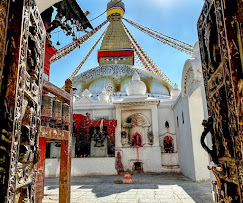
Important Days and Dates
The stupa follows the Lunar calendar, so dates vary annually. Key celebrations include:
- Losar (Tibetan New Year): Usually in February. It is the biggest festival here, featuring masked dances, traditional music, and the unfurling of massive prayer flags.
- Buddha Jayanti (Buddha Purnima): Usually in May. Celebrates the birth, enlightenment, and death of Lord Buddha. Thousands of butter lamps are lit, creating a glowing spectacle.
- Temal Jatra: A major Tamang festival (one day before Buddha Jayanti) where devotees honor deceased ancestors.
- Saka Dawa: The holiest month in Tibetan Buddhism (usually June), where merit from good deeds is believed to be multiplied.
- Full Moon Days: Every full moon (Purnima) sees increased ritual activity, chanting, and lighting of lamps.
How to Reach
Boudhanath is roughly 6 km from Tribhuvan International Airport (KTM) in Kathmandu.
Delhi – To – Borobudur
- By Air: The most convenient way. Take a direct flight from Indira Gandhi International Airport (DEL) to Kathmandu (approx. 1 hour 30 mins). From KTM airport, take a pre-paid taxi (15–20 mins) directly to the Boudha gate.
- By Road: You can take the Delhi-Kathmandu “Maitri Bus Service” from Ambedkar Stadium Bus Terminal. The journey takes approximately 26–30 hours.
From Ahmedabad to Boudhanath
- By Air: There are no direct international flights from Ahmedabad (AMD) to Kathmandu. You must take a domestic flight to Delhi or Mumbai and then a connecting international flight to Kathmandu.
- By Rail/Road: Take a train to Gorakhpur (UP). From Gorakhpur, take a bus or taxi to the Sunauli border, cross into Nepal, and then take a bus/jeep to Kathmandu (another 8–10 hours).
History of the Temple
The stupa’s origins are shrouded in both history and legend. Historically, it was likely built around the 5th or 6th century AD during the Licchavi dynasty.
The Legend of the Poultry Woman: Tibetan tradition says a poor woman named Jadzima asked the King for land to build a shrine. The King mockingly said she could have as much land as a “buffalo hide” could cover. She cleverly cut the hide into thin strips and circled a massive area, forcing the King to keep his word.
Trade Route: For centuries, it was the main entry point for Tibetan merchants entering Kathmandu. They would offer prayers here after crossing the treacherous Himalayas.
Restoration: The stupa was severely damaged in the 2015 earthquake but was the first major monument in Nepal to be fully restored and reconsecrated in 2016.
The “pooja” at a stupa is less about a single priest-led ceremony and more about collective ritual acts.
- Kora (Circumambulation):The primary ritual where devotees walk clockwise around the stupa while chanting mantras like Om Mani Padme Hum. It is believed to purify negative karma.
- Butter Lamp Offering (Marme Rezang):Lighting small lamps filled with clarified butter. This symbolizes the light of wisdom dispelling the darkness of ignorance.
- Prostrations (Chaktsal):Devotees perform full-body prostrations on wooden planks at the base, showing deep humility and devotion to the Triple Gem (Buddha, Dharma, Sangha).
- Sang-Sol (Incense Offering):Burning aromatic herbs (juniper) in large ceremonial ovens to purify the environment and appease protective deities.
Attire (Dressing Guidelines)
As a holy UNESCO World Heritage site, modest clothing is strictly required.
- Men: Long trousers are preferred. Avoid sleeveless shirts or muscle tees. T-shirts are acceptable as long as they aren’t revealing.
- Women: Shoulders and knees must be covered. Long skirts, trousers, or traditional Salwar Kameez are ideal. Avoid shorts, miniskirts, or tank tops.
- Note: IYou must remove your shoes before stepping onto the upper plinths of the stupa. Leather items (belts/bags) are generally allowed on the grounds but should be handled respectfully
Official Websites
- Government Portal:
- Administrative Body
The stupa is managed by the Boudhanath Area Development Committee (BADC), a government-appointed body. They do not maintain a high-functioning standalone “temple trust” website like Indian temples, but official information is disseminated through the Nepal Tourism Board.
Description
Important Days and Dates
The stupa follows the Lunar calendar, so dates vary annually. Key celebrations include:
- Losar (Tibetan New Year): Usually in February. It is the biggest festival here, featuring masked dances, traditional music, and the unfurling of massive prayer flags.
- Buddha Jayanti (Buddha Purnima): Usually in May. Celebrates the birth, enlightenment, and death of Lord Buddha. Thousands of butter lamps are lit, creating a glowing spectacle.
- Temal Jatra: A major Tamang festival (one day before Buddha Jayanti) where devotees honor deceased ancestors.
- Saka Dawa: The holiest month in Tibetan Buddhism (usually June), where merit from good deeds is believed to be multiplied.
- Full Moon Days: Every full moon (Purnima) sees increased ritual activity, chanting, and lighting of lamps.
How to Reach
Boudhanath is roughly 6 km from Tribhuvan International Airport (KTM) in Kathmandu.
Delhi – To – Borobudur
- By Air: The most convenient way. Take a direct flight from Indira Gandhi International Airport (DEL) to Kathmandu (approx. 1 hour 30 mins). From KTM airport, take a pre-paid taxi (15–20 mins) directly to the Boudha gate.
- By Road: You can take the Delhi-Kathmandu “Maitri Bus Service” from Ambedkar Stadium Bus Terminal. The journey takes approximately 26–30 hours.
From Ahmedabad to Boudhanath
- By Air: There are no direct international flights from Ahmedabad (AMD) to Kathmandu. You must take a domestic flight to Delhi or Mumbai and then a connecting international flight to Kathmandu.
- By Rail/Road: Take a train to Gorakhpur (UP). From Gorakhpur, take a bus or taxi to the Sunauli border, cross into Nepal, and then take a bus/jeep to Kathmandu (another 8–10 hours).
History of the Temple
The stupa’s origins are shrouded in both history and legend. Historically, it was likely built around the 5th or 6th century AD during the Licchavi dynasty.
The Legend of the Poultry Woman: Tibetan tradition says a poor woman named Jadzima asked the King for land to build a shrine. The King mockingly said she could have as much land as a “buffalo hide” could cover. She cleverly cut the hide into thin strips and circled a massive area, forcing the King to keep his word.
Trade Route: For centuries, it was the main entry point for Tibetan merchants entering Kathmandu. They would offer prayers here after crossing the treacherous Himalayas.
Restoration: The stupa was severely damaged in the 2015 earthquake but was the first major monument in Nepal to be fully restored and reconsecrated in 2016.
The “pooja” at a stupa is less about a single priest-led ceremony and more about collective ritual acts.
- Kora (Circumambulation):The primary ritual where devotees walk clockwise around the stupa while chanting mantras like Om Mani Padme Hum. It is believed to purify negative karma.
- Butter Lamp Offering (Marme Rezang):Lighting small lamps filled with clarified butter. This symbolizes the light of wisdom dispelling the darkness of ignorance.
- Prostrations (Chaktsal):Devotees perform full-body prostrations on wooden planks at the base, showing deep humility and devotion to the Triple Gem (Buddha, Dharma, Sangha).
- Sang-Sol (Incense Offering):Burning aromatic herbs (juniper) in large ceremonial ovens to purify the environment and appease protective deities.
Attire (Dressing Guidelines)
As a holy UNESCO World Heritage site, modest clothing is strictly required.
- Men: Long trousers are preferred. Avoid sleeveless shirts or muscle tees. T-shirts are acceptable as long as they aren’t revealing.
- Women: Shoulders and knees must be covered. Long skirts, trousers, or traditional Salwar Kameez are ideal. Avoid shorts, miniskirts, or tank tops.
- Note: IYou must remove your shoes before stepping onto the upper plinths of the stupa. Leather items (belts/bags) are generally allowed on the grounds but should be handled respectfully
Official Websites
- Government Portal:
- Administrative Body
The stupa is managed by the Boudhanath Area Development Committee (BADC), a government-appointed body. They do not maintain a high-functioning standalone “temple trust” website like Indian temples, but official information is disseminated through the Nepal Tourism Board.