-
Borobudur Temple
-
 Indonesia, Jawa Tengah, Magelang
 -
January 30, 2026
-
-
0.00

 January 30, 2026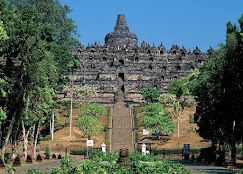
Important Days and Dates
The most significant events at Borobudur follow the Buddhist lunar calendar.
- Waisak (Vesak) Day: This is the most important day, commemorating the birth, enlightenment, and death of Gautama Buddha.
- Highlights: A massive procession of monks and pilgrims from Mendut Temple to Borobudur, culminating in a spectacular night-time release of thousands of lanterns (Lampion) into the sky.
- Asalha Puja (Dhamma Day): Usually held in July, marking the Buddha’s first sermon. It involves meditation sessions and offerings.
- Monthly Full Moon (Purnama): Local Buddhists often gather for prayers and meditation during every full moon.
How to Reach
To reach Borobudur, you must first fly into Yogyakarta (YIA) or Jakarta (CGK). From Delhi or Ahmedabad, there are no direct flights; you will likely transit through Singapore, Kuala Lumpur, or Jakarta.
Delhi – To – Borobudur
- Flight: Take an international flight from Indira Gandhi International Airport (DEL) to Yogyakarta International Airport (YIA) via Kuala Lumpur (AirAsia/Malaysia Airlines) or Singapore (Singapore Airlines).
- Local Transport: From YIA, take a taxi or the DAMRI bus directly to Borobudur (approx. 1.5–2 hours). Alternatively, take the airport train to Yogyakarta city and then a taxi.
Ahmedabad – To – Borobudur
- Flight: Fly from Sardar Vallabhbhai Patel International Airport (AMD) to Yogyakarta International Airport (YIA). Common routes involve a layover in Kuala Lumpur or Ho Chi Minh City.
- Local Transport: Hire a private car or take a taxi from the airport to the Borobudur area (approx. 60 km).
- Ninh Binh to Temple: Take a local taxi for the final 15 km leg to the Gia Sinh commune.
History of the Temple
Construction: Built between 778 and 850 CE during the reign of the Sailendra Dynasty.
Architecture: It is shaped like a giant Mandala and a stepped pyramid. It contains 2,672 relief panels and 504 Buddha statues.
Design: The temple is divided into three zones representing Buddhist cosmology:
Kamadhatu: The world of desires (base).
Rupadhatu: The world of forms (middle terraces).
Arupadhatu: The world of formlessness (upper circular terraces).
Abandonment & Discovery: The temple was abandoned around the 14th century (likely due to volcanic eruptions) and lay hidden under volcanic ash and jungle growth for centuries. It was “rediscovered” in 1814 by Sir Thomas Stamford Raffles.
Buddhist “Poojas” in Vietnam are referred to as ceremonies or rituals. They are performed in a sequence of devotion:
- PradakshinaThe most vital ritual. Pilgrims walk clockwise around each level of the temple, starting from the east, symbolizing the spiritual journey to Nirvana.
- Puja BhaktiA ceremony of devotion involving the chanting of sutras (Paritta) and offering flowers, incense, and candles at the foot of the temple or near the main stupa.
- Samadhi (Meditation)Silence and meditation are primary practices here. Practitioners sit in the Arupadhatu (upper circular terraces) to focus on mindfulness and detachment.
Attire (Dressing Guidelines)
As a sacred religious site, strict modesty is required.
- Men: Shoulders and knees must be covered. A shirt or T-shirt with trousers is appropriate. Short-shorts are not permitted.
- Women: Shoulders and knees must be covered. Avoid sleeveless tops, miniskirts, or transparent clothing.
- Strict Requirement: If your clothing is too short, you will be required to wear a Sarong (provided at the entrance) around your waist.
- Footwear: You must wear the official Upanat sandals (provided with certain ticket types) to walk on the temple structure to prevent erosion of the ancient stone.
Official Websites
- Government Portal:
- Official Complex Info:
https://injourneydestination.id/
Description
Important Days and Dates
The most significant events at Borobudur follow the Buddhist lunar calendar.
- Waisak (Vesak) Day: This is the most important day, commemorating the birth, enlightenment, and death of Gautama Buddha.
- Highlights: A massive procession of monks and pilgrims from Mendut Temple to Borobudur, culminating in a spectacular night-time release of thousands of lanterns (Lampion) into the sky.
- Asalha Puja (Dhamma Day): Usually held in July, marking the Buddha’s first sermon. It involves meditation sessions and offerings.
- Monthly Full Moon (Purnama): Local Buddhists often gather for prayers and meditation during every full moon.
How to Reach
To reach Borobudur, you must first fly into Yogyakarta (YIA) or Jakarta (CGK). From Delhi or Ahmedabad, there are no direct flights; you will likely transit through Singapore, Kuala Lumpur, or Jakarta.
Delhi – To – Borobudur
- Flight: Take an international flight from Indira Gandhi International Airport (DEL) to Yogyakarta International Airport (YIA) via Kuala Lumpur (AirAsia/Malaysia Airlines) or Singapore (Singapore Airlines).
- Local Transport: From YIA, take a taxi or the DAMRI bus directly to Borobudur (approx. 1.5–2 hours). Alternatively, take the airport train to Yogyakarta city and then a taxi.
Ahmedabad – To – Borobudur
- Flight: Fly from Sardar Vallabhbhai Patel International Airport (AMD) to Yogyakarta International Airport (YIA). Common routes involve a layover in Kuala Lumpur or Ho Chi Minh City.
- Local Transport: Hire a private car or take a taxi from the airport to the Borobudur area (approx. 60 km).
- Ninh Binh to Temple: Take a local taxi for the final 15 km leg to the Gia Sinh commune.
History of the Temple
Construction: Built between 778 and 850 CE during the reign of the Sailendra Dynasty.
Architecture: It is shaped like a giant Mandala and a stepped pyramid. It contains 2,672 relief panels and 504 Buddha statues.
Design: The temple is divided into three zones representing Buddhist cosmology:
Kamadhatu: The world of desires (base).
Rupadhatu: The world of forms (middle terraces).
Arupadhatu: The world of formlessness (upper circular terraces).
Abandonment & Discovery: The temple was abandoned around the 14th century (likely due to volcanic eruptions) and lay hidden under volcanic ash and jungle growth for centuries. It was “rediscovered” in 1814 by Sir Thomas Stamford Raffles.
Buddhist “Poojas” in Vietnam are referred to as ceremonies or rituals. They are performed in a sequence of devotion:
- PradakshinaThe most vital ritual. Pilgrims walk clockwise around each level of the temple, starting from the east, symbolizing the spiritual journey to Nirvana.
- Puja BhaktiA ceremony of devotion involving the chanting of sutras (Paritta) and offering flowers, incense, and candles at the foot of the temple or near the main stupa.
- Samadhi (Meditation)Silence and meditation are primary practices here. Practitioners sit in the Arupadhatu (upper circular terraces) to focus on mindfulness and detachment.
Attire (Dressing Guidelines)
As a sacred religious site, strict modesty is required.
- Men: Shoulders and knees must be covered. A shirt or T-shirt with trousers is appropriate. Short-shorts are not permitted.
- Women: Shoulders and knees must be covered. Avoid sleeveless tops, miniskirts, or transparent clothing.
- Strict Requirement: If your clothing is too short, you will be required to wear a Sarong (provided at the entrance) around your waist.
- Footwear: You must wear the official Upanat sandals (provided with certain ticket types) to walk on the temple structure to prevent erosion of the ancient stone.
Official Websites
- Government Portal:
- Official Complex Info:
https://injourneydestination.id/