
 December 19, 2025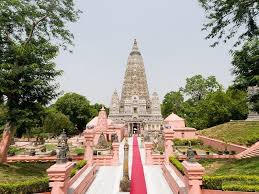
Important Days and Dates
- Buddha Purnima: Celebrated in April–May, marking the birth, enlightenment, and Mahaparinirvana of Lord Buddha.
- Kathina Ceremony: Held after the end of the monastic rains retreat (October–November).
- Magha Puja: Celebrated in February–March.
- Annual International Buddhist Conclave: Conducted periodically to celebrate Buddhist heritage.
How to Reach
Delhi to Bodh Gaya
- By Air: Direct flights from Delhi to Gaya Airport (approx. 1 hr 50 min). Airport is 10–12 km from Bodh Gaya.
- By Train: Direct trains such as Mahabodhi Express run from Delhi to Gaya Junction.
- By Road: Approx. 1100 km. Travel via Agra–Lucknow Expressway and NH19 (16–18 hours).
Ahmedabad to Bodh Gaya
- By Air: No direct flights. One-stop flights via Delhi, Kolkata, or Mumbai to Gaya Airport.
- By Train: Direct trains are limited; best option is connecting trains to Gaya via Varanasi or Patna.
- By Road: Approx. 1600 km. Travel via Udaipur–Jaipur–Agra–Kanpur–Varanasi–Gaya.
History of the Temple
Bodh Gaya is one of the most sacred Buddhist pilgrimage destinations. It is the place where Prince Siddhartha attained enlightenment under the Bodhi Tree and became Gautama Buddha over 2,500 years ago. The Mahabodhi Temple is a UNESCO World Heritage Site.
The first shrine was built by Emperor Ashoka in the 3rd century BCE. The present structure dates back to the 5th–6th century CE, with later renovations by the Pala kings. The complex includes the Bodhi Tree, Vajrasana (Diamond Throne), and various stupas.
Bodh Gaya continues to be a global center for Buddhist studies, meditation, and pilgrimage.
Important Clarification:
Kushinagar, located in Uttar Pradesh, India, is NOT a Hindu temple. It is a globally recognized Buddhist pilgrimage site where Lord Buddha attained Mahaparinirvana (final liberation). Therefore, Hindu temple poojas and Agamic rituals are not applicable here.
Main Rituals / Practices
- Meditation (Bhavana): Core spiritual practice performed by monks and pilgrims.
- Buddha Puja: Offerings of flowers, incense, lamps with chanting.
- Sutra Chanting: Recitation of Buddhist scriptures.
- Circumambulation (Pradakshina): Walking clockwise around the temple and Bodhi Tree
Important Days and Times
- Modest clothing required
- Buddha Purnima (Vesak) – Most important festival
- Magha Puja
- Asalha Puja
- Full Moon Days (Purnima)
- Vassa period (July–October)
Attire Guidelines (Buddhist Sites)
- Men: Full-length trousers or dhoti, covered shoulders
- Women: Saree, salwar kameez, long dresses
- Restrictions: No shorts, sleeveless clothing, footwear inside temple
Official Websites
- Bodh Gaya District Administration:
- UNESCO Mahabodhi Temple:
Description
Important Days and Dates
- Buddha Purnima: Celebrated in April–May, marking the birth, enlightenment, and Mahaparinirvana of Lord Buddha.
- Kathina Ceremony: Held after the end of the monastic rains retreat (October–November).
- Magha Puja: Celebrated in February–March.
- Annual International Buddhist Conclave: Conducted periodically to celebrate Buddhist heritage.
How to Reach
Delhi to Bodh Gaya
- By Air: Direct flights from Delhi to Gaya Airport (approx. 1 hr 50 min). Airport is 10–12 km from Bodh Gaya.
- By Train: Direct trains such as Mahabodhi Express run from Delhi to Gaya Junction.
- By Road: Approx. 1100 km. Travel via Agra–Lucknow Expressway and NH19 (16–18 hours).
Ahmedabad to Bodh Gaya
- By Air: No direct flights. One-stop flights via Delhi, Kolkata, or Mumbai to Gaya Airport.
- By Train: Direct trains are limited; best option is connecting trains to Gaya via Varanasi or Patna.
- By Road: Approx. 1600 km. Travel via Udaipur–Jaipur–Agra–Kanpur–Varanasi–Gaya.
History of the Temple
Bodh Gaya is one of the most sacred Buddhist pilgrimage destinations. It is the place where Prince Siddhartha attained enlightenment under the Bodhi Tree and became Gautama Buddha over 2,500 years ago. The Mahabodhi Temple is a UNESCO World Heritage Site.
The first shrine was built by Emperor Ashoka in the 3rd century BCE. The present structure dates back to the 5th–6th century CE, with later renovations by the Pala kings. The complex includes the Bodhi Tree, Vajrasana (Diamond Throne), and various stupas.
Bodh Gaya continues to be a global center for Buddhist studies, meditation, and pilgrimage.
Important Clarification:
Kushinagar, located in Uttar Pradesh, India, is NOT a Hindu temple. It is a globally recognized Buddhist pilgrimage site where Lord Buddha attained Mahaparinirvana (final liberation). Therefore, Hindu temple poojas and Agamic rituals are not applicable here.
Main Rituals / Practices
- Meditation (Bhavana): Core spiritual practice performed by monks and pilgrims.
- Buddha Puja: Offerings of flowers, incense, lamps with chanting.
- Sutra Chanting: Recitation of Buddhist scriptures.
- Circumambulation (Pradakshina): Walking clockwise around the temple and Bodhi Tree
Important Days and Times
- Modest clothing required
- Buddha Purnima (Vesak) – Most important festival
- Magha Puja
- Asalha Puja
- Full Moon Days (Purnima)
- Vassa period (July–October)
Attire Guidelines (Buddhist Sites)
- Men: Full-length trousers or dhoti, covered shoulders
- Women: Saree, salwar kameez, long dresses
- Restrictions: No shorts, sleeveless clothing, footwear inside temple
Official Websites
- Bodh Gaya District Administration:
- UNESCO Mahabodhi Temple: