
 January 30, 2026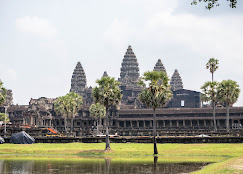
Important Days and Dates
As a premier religious site, Angkor Wat is central to both Buddhist lunar festivals and Cambodian national celebrations.
- Meak Bochea Commemorates the Buddha’s final sermon; celebrated with candlelit processions.
- Khmer New Year The biggest festival in Cambodia; involves traditional games and temple offerings.
- Visak Bochea Marks the birth, enlightenment, and passing of the Buddha.
- Pchum BenAncestors Day locals offer food to monks to bless the spirits of the deceased.
- Equinox SunriseNatural phenomena where the sun rises exactly over the central tower.
How to Reach
There are no direct flights from India to Siem Reap; you will typically have a layover in cities like Bangkok, Ho Chi Minh City, or Hanoi.
Delhi (DEL) to Angkor Wat:
- Air: Fly from Indira Gandhi International (DEL) to Siem Reap–Angkor International Airport (SAI). Common carriers include Indigo (via Kolkata), Thai Airways (via Bangkok), or Vietnam Airlines (via Hanoi).
- o Local Transfer: From SAI airport, it is about a 45-60 minute drive to Siem Reap town. From the town, the temple is 15 minutes away by taxi or tuk-tuk.
Ahmedabad (AMD) to Angkor Wat:
- Air: Fly from Sardar Vallabhbhai Patel International (AMD) with a layover in Bangkok (BKK/DMK) or Kolkata (CCU) before heading to Siem Reap (SAI). AirAsia and Thai Airways are popular options for this route.
- o Local Transfer: Use the official airport shuttle bus or a private taxi to reach your hotel in Siem Reap, then hire a tuk-tuk for temple exploration.
History of the Temple
Angkor Wat was built by King Suryavarman II between 1113 and 1150 AD.
Architectural Symbolism: Designed as a “Temple Mountain,” it represents Mount Meru, the home of the gods. The five central towers represent the mountain’s peaks, while the moat represents the cosmic ocean.
Hindu Origins: Originally a Vaishnavite temple, it features extensive bas-reliefs depicting the Ramayana, Mahabharata, and the Churning of the Ocean of Milk.
Buddhist Transition: By the late 12th century, under the influence of King Jayavarman VII, the site transitioned into a Buddhist shrine, which helped ensure its preservation even after the capital moved to Phnom Penh.
While Angkor Wat is an archaeological site, it remains an active place of worship.
- Offering to “Ta Reach”: The most prominent ritual. At the western entrance stands a 5-meter statue of an eight-armed Vishnu (Ta Reach). Pilgrims offer lotus flowers, incense, and fruit to seek protection.
- Buddhist Alms & Chanting: Performed daily by resident and visiting monks. Devotees offer food or saffron robes to receive a water blessing (Sras Srang ritual) or a tied protective string on the wrist.
- Circumambulation (Pradakshina): During major festivals like Visak Bochea, devotees walk around the inner galleries three times while carrying candles and lotus buds.
Attire (Dressing Guidelines)
The “Angkor Code of Conduct” is strictly enforced by park rangers.
- Men: Shoulders and knees must be covered. A t-shirt and long trousers/cargo pants are ideal. Sleeveless vests or short shorts are not allowed.
- Women:Shoulders and knees must be covered. Long skirts, dresses (below the knee), or loose cotton trousers are recommended.
- No Shawls/Scarves over Shoulders: You must wear a shirt that actually covers the shoulders; wrapping a scarf over a tank top is often rejected at the Bakan (top level).
- Hats/Shoes: Must be removed before entering specific inner sanctums or if approaching a monk for a blessing.
Official Websites
- Government/Ticketing:
- Temple Management:
https://www.angkorenterprise.gov.kh/en
Description
Important Days and Dates
As a premier religious site, Angkor Wat is central to both Buddhist lunar festivals and Cambodian national celebrations.
- Meak Bochea Commemorates the Buddha’s final sermon; celebrated with candlelit processions.
- Khmer New Year The biggest festival in Cambodia; involves traditional games and temple offerings.
- Visak Bochea Marks the birth, enlightenment, and passing of the Buddha.
- Pchum BenAncestors Day locals offer food to monks to bless the spirits of the deceased.
- Equinox SunriseNatural phenomena where the sun rises exactly over the central tower.
How to Reach
There are no direct flights from India to Siem Reap; you will typically have a layover in cities like Bangkok, Ho Chi Minh City, or Hanoi.
Delhi (DEL) to Angkor Wat:
- Air: Fly from Indira Gandhi International (DEL) to Siem Reap–Angkor International Airport (SAI). Common carriers include Indigo (via Kolkata), Thai Airways (via Bangkok), or Vietnam Airlines (via Hanoi).
- o Local Transfer: From SAI airport, it is about a 45-60 minute drive to Siem Reap town. From the town, the temple is 15 minutes away by taxi or tuk-tuk.
Ahmedabad (AMD) to Angkor Wat:
- Air: Fly from Sardar Vallabhbhai Patel International (AMD) with a layover in Bangkok (BKK/DMK) or Kolkata (CCU) before heading to Siem Reap (SAI). AirAsia and Thai Airways are popular options for this route.
- o Local Transfer: Use the official airport shuttle bus or a private taxi to reach your hotel in Siem Reap, then hire a tuk-tuk for temple exploration.
History of the Temple
Angkor Wat was built by King Suryavarman II between 1113 and 1150 AD.
Architectural Symbolism: Designed as a “Temple Mountain,” it represents Mount Meru, the home of the gods. The five central towers represent the mountain’s peaks, while the moat represents the cosmic ocean.
Hindu Origins: Originally a Vaishnavite temple, it features extensive bas-reliefs depicting the Ramayana, Mahabharata, and the Churning of the Ocean of Milk.
Buddhist Transition: By the late 12th century, under the influence of King Jayavarman VII, the site transitioned into a Buddhist shrine, which helped ensure its preservation even after the capital moved to Phnom Penh.
While Angkor Wat is an archaeological site, it remains an active place of worship.
- Offering to “Ta Reach”: The most prominent ritual. At the western entrance stands a 5-meter statue of an eight-armed Vishnu (Ta Reach). Pilgrims offer lotus flowers, incense, and fruit to seek protection.
- Buddhist Alms & Chanting: Performed daily by resident and visiting monks. Devotees offer food or saffron robes to receive a water blessing (Sras Srang ritual) or a tied protective string on the wrist.
- Circumambulation (Pradakshina): During major festivals like Visak Bochea, devotees walk around the inner galleries three times while carrying candles and lotus buds.
Attire (Dressing Guidelines)
The “Angkor Code of Conduct” is strictly enforced by park rangers.
- Men: Shoulders and knees must be covered. A t-shirt and long trousers/cargo pants are ideal. Sleeveless vests or short shorts are not allowed.
- Women:Shoulders and knees must be covered. Long skirts, dresses (below the knee), or loose cotton trousers are recommended.
- No Shawls/Scarves over Shoulders: You must wear a shirt that actually covers the shoulders; wrapping a scarf over a tank top is often rejected at the Bakan (top level).
- Hats/Shoes: Must be removed before entering specific inner sanctums or if approaching a monk for a blessing.
Official Websites
- Government/Ticketing:
- Temple Management:
https://www.angkorenterprise.gov.kh/en