
 February 2, 2026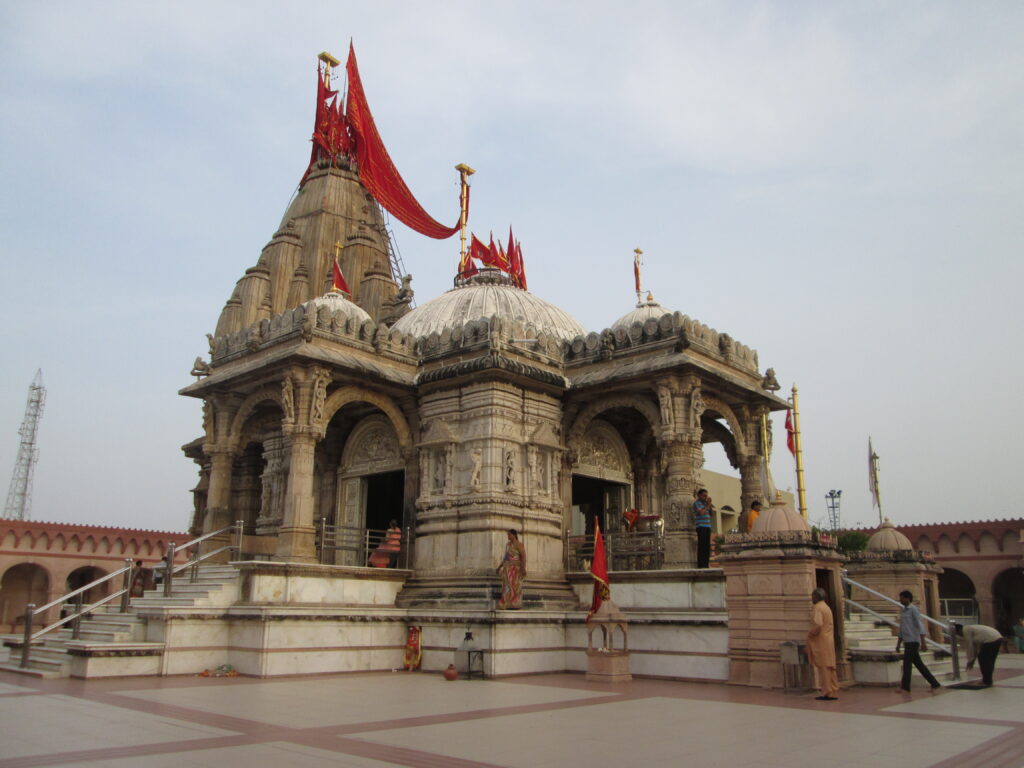
Important Days and Dates
The temple is a hub of celebration, particularly during periods dedicated to the Divine Feminine.
- Navratri (Ashwin & Chaitra): The most significant festival. The temple is illuminated, and thousands gather for Garba and special prayers. The 8th day (Ashtami) involves the “Palli” ceremony.
- Ma Umiya Dhaja Mahotsav: A grand flag-hoisting festival usually held in September.
- Jeth Sud 2: Celebrated with traditional rituals like Hel khelna na halotra and Bhatwari.
- Purnima (Full Moon): Every Purnima, especially Bhadarvi Poonam and Sharad Purnima, sees a massive influx of devotees.
- Annakut (New Year): Celebrated the day after Diwali with a vast offering of food to the Goddess.
How to Reach
Sidsar is situated near the town of Jamjodhpur in the Jamnagar district.
From Delhi to Unjha
- By Train: This is the most popular method. Several trains run daily from New Delhi (NDLS) or Old Delhi (DLI) to Unjha (UJA). The Swran Jayanti Rajdhani is the fastest, taking about 11 hours.
- By Air: Fly from Delhi to Ahmedabad (Sardar Vallabhbhai Patel International Airport). From the airport, Unjha is approximately 100 km away, reachable by taxi or bus in 2.5 hours.
- By Road: A distance of roughly 800 km via NH48. You can take private luxury buses or drive via Jaipur and Ajmer.
From Ahmedabad to Unjha
- By Road: The temple is about 100 km from Ahmedabad. You can easily find GSHRTC (State Transport) buses or private taxis. The drive takes approximately 2 to 3 hours.
- By Train: Multiple local and express trains run from Ahmedabad Junction to Unjha daily, taking about 1.5 to 2 hours.
About History of the Temple
The temple’s origins are rooted in ancient mythology and historical resilience:
- Mythological Origin: Legend says Lord Shiva established the idol here. Historical records suggest King Vrajpal Sinhji built the first temple in 156 BC (Vikram Samvat 212).
- Destruction & Rebirth: In the 14th century, the original temple was reportedly destroyed by the forces of Alauddin Khilji. The sacred idol was hidden and preserved by the local community.
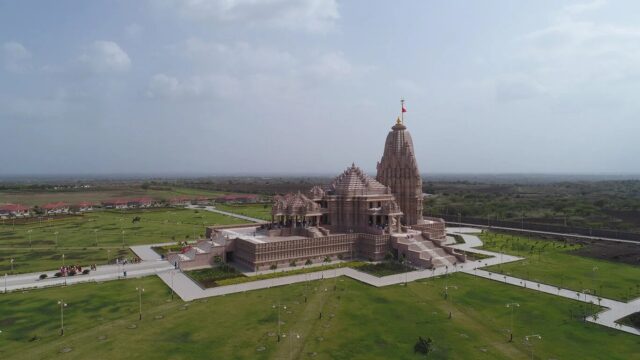
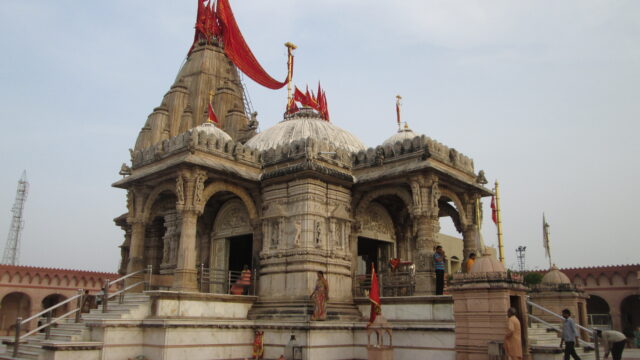
- Modern Structure: The current majestic structure was initiated in 1887 AD with contributions from every Kadva Patidar household. It was further renovated and expanded in 2009 during its Silver Jubilee.
The temple follows a strict Vedic ritual schedule.
- Maha Aarti: Performed twice daily (Morning and Evening). It is the primary congregational worship where the deity is honored with lamps and hymns.
- Shangar Aarti: The morning ritual where the Goddess is beautifully adorned with jewelry and new clothes.
- Abhishek Pooja: A ritual bath given to the deity using milk, honey, and holy water while chanting Vedic mantras for health and prosperity.
- Chandi Path / Nav Chandi Yagna: Special Vedic sacrifices performed on request or during festivals to seek protection and success.
- Shayan Aarti: The final prayer of the day before the Goddess “rests” for the night.
Attire (Dressing Guidelines)
While the temple is welcoming, traditional attire is highly recommended for those participating in specific poojas.
Men:Traditional wear like Kurta-Pyjama or Dhoti is preferred for performing rituals. Casual wear like trousers and shirts is allowed for general Darshan, but shorts and sleeveless tops should be avoided.
Women:Saree or Salwar Kameez with a dupatta is the standard. It is customary to cover the head during the Aarti as a mark of respect.
General Rule:Modest clothing is mandatory. Avoid western outfits like ripped jeans or mini-skirts to maintain the sanctity of the temple.
Official Websites
- Temple Trust Official Website:www.maaumiya.org
- Government/Tourism Link: Gujarat Tourism – Mehsana
Description
Important Days and Dates
The temple is a hub of celebration, particularly during periods dedicated to the Divine Feminine.
- Navratri (Ashwin & Chaitra): The most significant festival. The temple is illuminated, and thousands gather for Garba and special prayers. The 8th day (Ashtami) involves the “Palli” ceremony.
- Ma Umiya Dhaja Mahotsav: A grand flag-hoisting festival usually held in September.
- Jeth Sud 2: Celebrated with traditional rituals like Hel khelna na halotra and Bhatwari.
- Purnima (Full Moon): Every Purnima, especially Bhadarvi Poonam and Sharad Purnima, sees a massive influx of devotees.
- Annakut (New Year): Celebrated the day after Diwali with a vast offering of food to the Goddess.
How to Reach
Sidsar is situated near the town of Jamjodhpur in the Jamnagar district.
From Delhi to Unjha
- By Train: This is the most popular method. Several trains run daily from New Delhi (NDLS) or Old Delhi (DLI) to Unjha (UJA). The Swran Jayanti Rajdhani is the fastest, taking about 11 hours.
- By Air: Fly from Delhi to Ahmedabad (Sardar Vallabhbhai Patel International Airport). From the airport, Unjha is approximately 100 km away, reachable by taxi or bus in 2.5 hours.
- By Road: A distance of roughly 800 km via NH48. You can take private luxury buses or drive via Jaipur and Ajmer.
From Ahmedabad to Unjha
- By Road: The temple is about 100 km from Ahmedabad. You can easily find GSHRTC (State Transport) buses or private taxis. The drive takes approximately 2 to 3 hours.
- By Train: Multiple local and express trains run from Ahmedabad Junction to Unjha daily, taking about 1.5 to 2 hours.
About History of the Temple
The temple’s origins are rooted in ancient mythology and historical resilience:
- Mythological Origin: Legend says Lord Shiva established the idol here. Historical records suggest King Vrajpal Sinhji built the first temple in 156 BC (Vikram Samvat 212).
- Destruction & Rebirth: In the 14th century, the original temple was reportedly destroyed by the forces of Alauddin Khilji. The sacred idol was hidden and preserved by the local community.
- Modern Structure: The current majestic structure was initiated in 1887 AD with contributions from every Kadva Patidar household. It was further renovated and expanded in 2009 during its Silver Jubilee.
The temple follows a strict Vedic ritual schedule.
- Maha Aarti: Performed twice daily (Morning and Evening). It is the primary congregational worship where the deity is honored with lamps and hymns.
- Shangar Aarti: The morning ritual where the Goddess is beautifully adorned with jewelry and new clothes.
- Abhishek Pooja: A ritual bath given to the deity using milk, honey, and holy water while chanting Vedic mantras for health and prosperity.
- Chandi Path / Nav Chandi Yagna: Special Vedic sacrifices performed on request or during festivals to seek protection and success.
- Shayan Aarti: The final prayer of the day before the Goddess “rests” for the night.
Attire (Dressing Guidelines)
While the temple is welcoming, traditional attire is highly recommended for those participating in specific poojas.
Men:Traditional wear like Kurta-Pyjama or Dhoti is preferred for performing rituals. Casual wear like trousers and shirts is allowed for general Darshan, but shorts and sleeveless tops should be avoided.
Women:Saree or Salwar Kameez with a dupatta is the standard. It is customary to cover the head during the Aarti as a mark of respect.
General Rule:Modest clothing is mandatory. Avoid western outfits like ripped jeans or mini-skirts to maintain the sanctity of the temple.
Official Websites
- Temple Trust Official Website:www.maaumiya.org
- Government/Tourism Link: Gujarat Tourism – Mehsana