
 February 2, 2026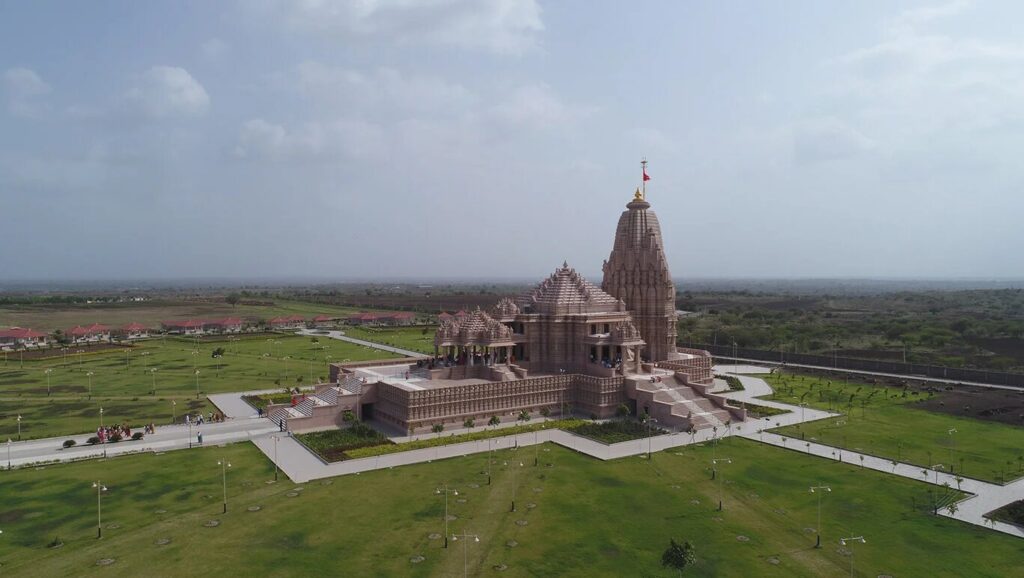
Important Days and Dates
The temple is a hub of activity during Hindu festivals and community milestones. Key days include:
- Khodiyar Jayanti: The birth anniversary of Maa Khodiyar (usually falls in the Magh month of the Hindu calendar)..
- Navratri (Chaitri & Ashvin): Both the spring and autumn nine-night festivals are celebrated with grand evening Aartis and cultural events.
- January 21 (Patotsav): The anniversary of the temple’s Pran Pratishtha (consecration), often marked by large gatherings and social service events.
- Purnima (Full Moon Day): Every month, a large number of devotees visit for special prayers.
How to Reach
Kagvad is located in the Rajkot district, approximately 65 km from Rajkot city.
From Delhi to Kagvad
- By Air: Fly from Delhi (DEL) to Rajkot Hirasar Airport (HSR). From the airport, you can hire a private taxi or take a state bus to Kagvad (approx. 1.5–2 hours).
- By Train: Take a direct train from New Delhi to Rajkot Junction or Virpur Railway Station (the nearest local station, 9 km away). From Virpur, shared autos and taxis are readily available.
- By Road:A long-distance drive (approx. 1,150 km) via NH48, though flying or taking a train is highly recommended.
From Ahmedabad to Kagvad
- By Road: This is the most common route (approx. 235 km). You can take a GSRTC Volvo bus or a private travel service (e.g., Khodaldham Travels) heading toward Jetpur/Junagadh. The journey takes about 4–5 hours.
- By Train: Several trains run daily from Ahmedabad to Rajkot or Virpur.
- By Car: Drive via the Rajkot-Ahmedabad Highway (NH47). The temple is located just 4 km off the National Highway between Virpur and Jetpur.
About History of the Temple
The idea for Khodaldham was conceived by Shree Nareshbhai Patel in 2002 to create a symbol of unity for the Leuva Patel community.
- Construction: The foundation stone was laid in 2012, and the temple was inaugurated on January 21, 2017.
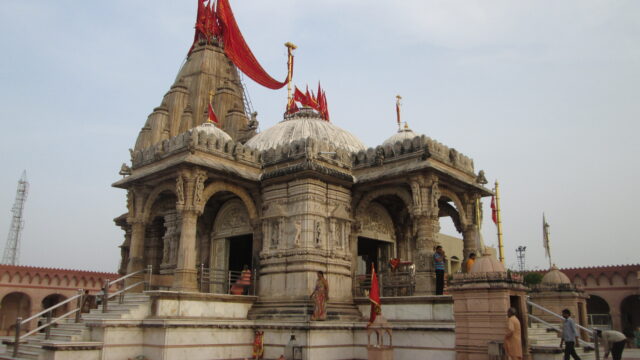
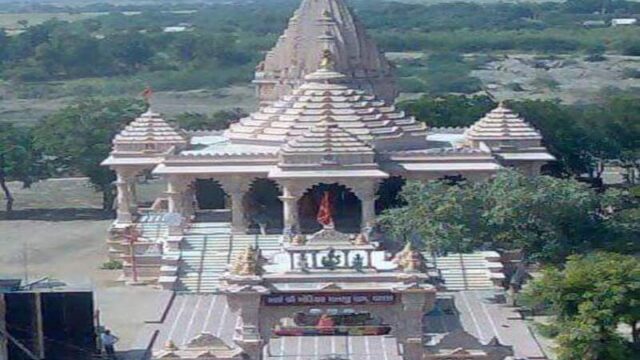
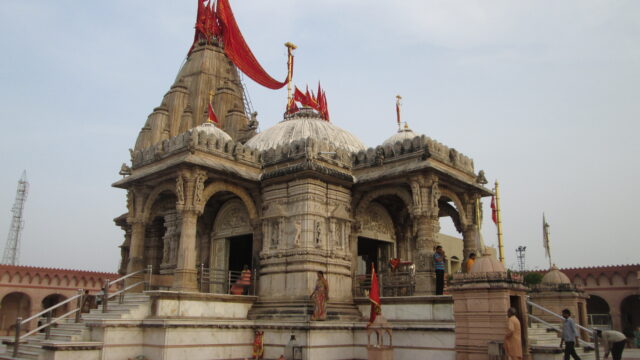
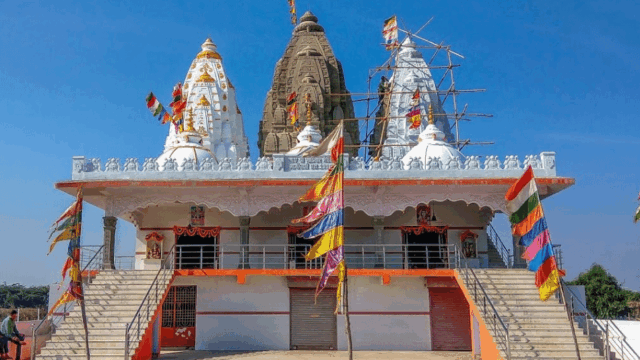
- Architecture: It is built in the Mahameru Prasad style of Maru-Gurjara architecture using pink sandstone from Rajasthan. It features over 650 intricately carved statues.
- Significance: It is the only temple in the world where the national flag is hoisted at the entrance alongside the religious flag, symbolizing the trust’s focus on both “Bhakti” (Devotion) and “Deshbhakti” (Patriotism).
Main Poojas Performed
The temple follows a strict Vedic ritual schedule. Here they are in order of priority:
- Mangla Aarti (Early Morning): The first prayer of the day (usually around 6:30 AM), awakening the deity.
- Shringar Aarti: Performed after the Goddess is adorned with traditional clothes (Vagha) and jewelry.
- Thaal: A ritual offering of food (Bhog) to the Goddess, typically performed around noon. Devotees can book this in advance.
- Evening (Sandhya) Aarti: The most popular ritual (usually between 6:30 PM – 7:30 PM) involving lamps and chanting, creating a powerful spiritual atmosphere.
- Dhaja Pooja (Flag Offering): A unique ritual where devotees offer a new flag (Dhaja) to be hoisted atop the 159-foot temple spire.
Attire (Dressing Guidelines)
The temple maintains a traditional and respectful environment.
Men:Recommended to wear Kurta-Pajama or Dhoti. While formal shirts and full-length trousers are allowed, shorts, sleeveless shirts, and ripped jeans are strictly discouraged.
Women:RRecommended to wear Sarees or Salwar Kameez with a Dupatta. Modest clothing that covers the shoulders and knees is required. Short skirts, leggings without long tops, or revealing western outfits should be avoided.
Note:Photography is strictly prohibited inside the main temple sanctum.
Official Websites
- Temple Trust Official Website:www.khodaldhamtrust.org
- Government/Tourism Reference:While there is no dedicated “government” site for the temple, it is featured on the Gujarat Tourism Official Website.
Description
Important Days and Dates
The temple is a hub of activity during Hindu festivals and community milestones. Key days include:
- Khodiyar Jayanti: The birth anniversary of Maa Khodiyar (usually falls in the Magh month of the Hindu calendar)..
- Navratri (Chaitri & Ashvin): Both the spring and autumn nine-night festivals are celebrated with grand evening Aartis and cultural events.
- January 21 (Patotsav): The anniversary of the temple’s Pran Pratishtha (consecration), often marked by large gatherings and social service events.
- Purnima (Full Moon Day): Every month, a large number of devotees visit for special prayers.
How to Reach
Kagvad is located in the Rajkot district, approximately 65 km from Rajkot city.
From Delhi to Kagvad
- By Air: Fly from Delhi (DEL) to Rajkot Hirasar Airport (HSR). From the airport, you can hire a private taxi or take a state bus to Kagvad (approx. 1.5–2 hours).
- By Train: Take a direct train from New Delhi to Rajkot Junction or Virpur Railway Station (the nearest local station, 9 km away). From Virpur, shared autos and taxis are readily available.
- By Road:A long-distance drive (approx. 1,150 km) via NH48, though flying or taking a train is highly recommended.
From Ahmedabad to Kagvad
- By Road: This is the most common route (approx. 235 km). You can take a GSRTC Volvo bus or a private travel service (e.g., Khodaldham Travels) heading toward Jetpur/Junagadh. The journey takes about 4–5 hours.
- By Train: Several trains run daily from Ahmedabad to Rajkot or Virpur.
- By Car: Drive via the Rajkot-Ahmedabad Highway (NH47). The temple is located just 4 km off the National Highway between Virpur and Jetpur.
About History of the Temple
The idea for Khodaldham was conceived by Shree Nareshbhai Patel in 2002 to create a symbol of unity for the Leuva Patel community.
- Construction: The foundation stone was laid in 2012, and the temple was inaugurated on January 21, 2017.
- Architecture: It is built in the Mahameru Prasad style of Maru-Gurjara architecture using pink sandstone from Rajasthan. It features over 650 intricately carved statues.
- Significance: It is the only temple in the world where the national flag is hoisted at the entrance alongside the religious flag, symbolizing the trust’s focus on both “Bhakti” (Devotion) and “Deshbhakti” (Patriotism).
Main Poojas Performed
The temple follows a strict Vedic ritual schedule. Here they are in order of priority:
- Mangla Aarti (Early Morning): The first prayer of the day (usually around 6:30 AM), awakening the deity.
- Shringar Aarti: Performed after the Goddess is adorned with traditional clothes (Vagha) and jewelry.
- Thaal: A ritual offering of food (Bhog) to the Goddess, typically performed around noon. Devotees can book this in advance.
- Evening (Sandhya) Aarti: The most popular ritual (usually between 6:30 PM – 7:30 PM) involving lamps and chanting, creating a powerful spiritual atmosphere.
- Dhaja Pooja (Flag Offering): A unique ritual where devotees offer a new flag (Dhaja) to be hoisted atop the 159-foot temple spire.
Attire (Dressing Guidelines)
The temple maintains a traditional and respectful environment.
Men:Recommended to wear Kurta-Pajama or Dhoti. While formal shirts and full-length trousers are allowed, shorts, sleeveless shirts, and ripped jeans are strictly discouraged.
Women:RRecommended to wear Sarees or Salwar Kameez with a Dupatta. Modest clothing that covers the shoulders and knees is required. Short skirts, leggings without long tops, or revealing western outfits should be avoided.
Note:Photography is strictly prohibited inside the main temple sanctum.
Official Websites
- Temple Trust Official Website:www.khodaldhamtrust.org
- Government/Tourism Reference:While there is no dedicated “government” site for the temple, it is featured on the Gujarat Tourism Official Website.