-
Bai Dinh Pagoda
-
 Gia Vien, Northern Vietnam, Vietnam
 -
January 30, 2026
-
-
0.00

 January 30, 2026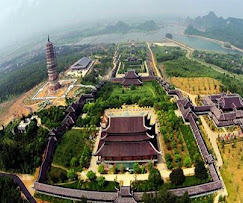
Important Days and Dates
Located in the scenic Ninh Binh province, Bai Dinh Pagoda is the largest Buddhist complex in Southeast Asia. It is a unique site that features both an ancient pagoda nestled in caves and a massive new complex built with monumental bronze statues and intricate stone carvings.
Here are the details for your visit:
The most significant time for the pagoda is the Bai Dinh Pagoda Festival
- Main Festival: Starts on the 6th day of the 1st Lunar Month (typically February) and lasts until the end of the 3rd Lunar Month (March).
- Vesak Day: Celebrated on the 15th day of the 4th Lunar Month (May) to honor Buddha’s birth, enlightenment, and passing.
- Ullambana Festival: Held on the 15th day of the 7th Lunar Month (August), a day for honoring ancestors and parents.
How to Reach
There are no direct flights to Ninh Binh. You must first fly into Hanoi (Noi Bai International Airport – HAN) and then travel by road..
Delhi to Bai Dinh Pagoda
- Flight: Take a direct flight (VietJet Air or Vietnam Airlines) or a connecting flight (IndiGo, Thai Airways) from Indira Gandhi International Airport (DEL) to Hanoi (HAN). (Approx. 4.5 hours direct).
- Hanoi to Ninh Binh: From Hanoi airport or the city center, take a private car, limousine bus, or train to Ninh Binh city (Approx. 2 hours).
- Ninh Binh to Temple: From Ninh Binh city, the pagoda is about 15 km away. You can take a taxi or a Grab (ride-sharing) directly to the entrance.
Ahmedabad to Bai Dinh Pagoda
- Flight: Take a direct flight (VietJet Air) or a connecting flight from Sardar Vallabhbhai Patel International Airport (AMD) to Hanoi (HAN). (Approx. 4.5–5 hours direct).
- Hanoi to Ninh Binh: Follow the same road/train route as above (2-hour journey).
- Ninh Binh to Temple: Take a local taxi for the final 15 km leg to the Gia Sinh commune.
History of the Temple
The complex is divided into two parts:
Ancient Bai Dinh: Founded in 1136 by the Zen Master Nguyen Minh Khong during the Ly Dynasty. He chose the limestone caves of Dinh Mountain to practice medicine and worship Buddha.
New Bai Dinh: Construction began in 2003 and was completed in 2010. It was built to create a world-class Buddhist center using traditional Vietnamese materials like Ninh Van green stone, Bat Trang tiles, and massive amounts of bronze.
Significance: It was the site where King Dinh Tien Hoang (10th Century) performed rituals before battles and where King Quang Trung held ceremonies to boost troop morale in the 18th century.
Buddhist “Poojas” in Vietnam are referred to as ceremonies or rituals. They are performed in a sequence of devotion:
- Incense Offering (Lễ Dâng Hương)The primary ritual where monks and pilgrims light incense to show gratitude to Buddha and seek peace and prosperity.
- Chanting & Praying (Tụng Kinh)Performed daily in the main halls (Tam The Hall). Monks chant sutras to pray for national peace and the well-being of all sentient beings.
- Procession (Lễ Rước)During the spring festival, sacred objects and ancestral tablets are carried from the ancient cave pagoda to the new complex in a vibrant parade.
- Bell Ringing CeremonyPerformed at the Bell Tower (housing a 36-ton bell). The sound is believed to awaken the spirit and spread blessings across the mountains.
Attire (Dressing Guidelines)
Since this is a sacred religious site, strict modesty is required.
- Men: SLong trousers and shirts with sleeves (T-shirts are fine). Avoid shorts, tank tops, or hats inside the prayer halls.
- Women: Long skirts or trousers that cover the knees and tops that cover the shoulders. Avoid leggings, crop tops, or see-through clothing.
- Strict Requirement: Wear comfortable walking shoes (the complex is massive) and carry a light shawl or scarf if you need to cover up quickly before entering a hall.
Official Websites
- Government Portal:
- Official Complex Info:
https://vietnamtourism.gov.vn/
Description
Important Days and Dates
Located in the scenic Ninh Binh province, Bai Dinh Pagoda is the largest Buddhist complex in Southeast Asia. It is a unique site that features both an ancient pagoda nestled in caves and a massive new complex built with monumental bronze statues and intricate stone carvings.
Here are the details for your visit:
The most significant time for the pagoda is the Bai Dinh Pagoda Festival
- Main Festival: Starts on the 6th day of the 1st Lunar Month (typically February) and lasts until the end of the 3rd Lunar Month (March).
- Vesak Day: Celebrated on the 15th day of the 4th Lunar Month (May) to honor Buddha’s birth, enlightenment, and passing.
- Ullambana Festival: Held on the 15th day of the 7th Lunar Month (August), a day for honoring ancestors and parents.
How to Reach
There are no direct flights to Ninh Binh. You must first fly into Hanoi (Noi Bai International Airport – HAN) and then travel by road..
Delhi to Bai Dinh Pagoda
- Flight: Take a direct flight (VietJet Air or Vietnam Airlines) or a connecting flight (IndiGo, Thai Airways) from Indira Gandhi International Airport (DEL) to Hanoi (HAN). (Approx. 4.5 hours direct).
- Hanoi to Ninh Binh: From Hanoi airport or the city center, take a private car, limousine bus, or train to Ninh Binh city (Approx. 2 hours).
- Ninh Binh to Temple: From Ninh Binh city, the pagoda is about 15 km away. You can take a taxi or a Grab (ride-sharing) directly to the entrance.
Ahmedabad to Bai Dinh Pagoda
- Flight: Take a direct flight (VietJet Air) or a connecting flight from Sardar Vallabhbhai Patel International Airport (AMD) to Hanoi (HAN). (Approx. 4.5–5 hours direct).
- Hanoi to Ninh Binh: Follow the same road/train route as above (2-hour journey).
- Ninh Binh to Temple: Take a local taxi for the final 15 km leg to the Gia Sinh commune.
History of the Temple
The complex is divided into two parts:
Ancient Bai Dinh: Founded in 1136 by the Zen Master Nguyen Minh Khong during the Ly Dynasty. He chose the limestone caves of Dinh Mountain to practice medicine and worship Buddha.
New Bai Dinh: Construction began in 2003 and was completed in 2010. It was built to create a world-class Buddhist center using traditional Vietnamese materials like Ninh Van green stone, Bat Trang tiles, and massive amounts of bronze.
Significance: It was the site where King Dinh Tien Hoang (10th Century) performed rituals before battles and where King Quang Trung held ceremonies to boost troop morale in the 18th century.
Buddhist “Poojas” in Vietnam are referred to as ceremonies or rituals. They are performed in a sequence of devotion:
- Incense Offering (Lễ Dâng Hương)The primary ritual where monks and pilgrims light incense to show gratitude to Buddha and seek peace and prosperity.
- Chanting & Praying (Tụng Kinh)Performed daily in the main halls (Tam The Hall). Monks chant sutras to pray for national peace and the well-being of all sentient beings.
- Procession (Lễ Rước)During the spring festival, sacred objects and ancestral tablets are carried from the ancient cave pagoda to the new complex in a vibrant parade.
- Bell Ringing CeremonyPerformed at the Bell Tower (housing a 36-ton bell). The sound is believed to awaken the spirit and spread blessings across the mountains.
Attire (Dressing Guidelines)
Since this is a sacred religious site, strict modesty is required.
- Men: SLong trousers and shirts with sleeves (T-shirts are fine). Avoid shorts, tank tops, or hats inside the prayer halls.
- Women: Long skirts or trousers that cover the knees and tops that cover the shoulders. Avoid leggings, crop tops, or see-through clothing.
- Strict Requirement: Wear comfortable walking shoes (the complex is massive) and carry a light shawl or scarf if you need to cover up quickly before entering a hall.
Official Websites
- Government Portal:
- Official Complex Info:
https://vietnamtourism.gov.vn/