-
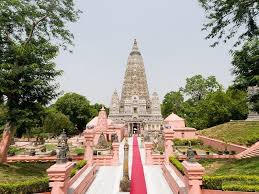
Bagan Temples
-
 Mandalay Region, Myanmar (Burma), Nyaung-U
 -
January 30, 2026
-
-
0.00

 January 30, 2026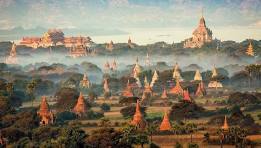
Important Days and Dates
The festivals in Bagan follow the Burmese Lunar Calendar, so dates change annually.
- Ananda Temple Festival (Pyatho): Usually held in January. This is the most significant event in Bagan. It lasts for a month, with the busiest time being the week leading up to the full moon.
- Thadingyut (Festival of Lights): Usually in October. It marks the end of Buddhist Lent. Thousands of candles are lit throughout the plains of Bagan.
- Thingyan (Water Festival/New Year): Held in April. While it is a nationwide celebration, it is a major time for merit-making at the temples.
- Full Moon Days: Every full moon (especially Kason in May for the “Watering of the Bodhi Tree”) is considered a holy day for prayer and offering.
How to Reach
Bagan is located in central Myanmar. The nearest airport is Nyaung-U (NYU).
Delhi to Bagan
- By Air: Take a flight from Indira Gandhi International Airport (DEL) to Yangon (RGN) or Mandalay (MDL). From there, take a domestic flight (approx. 1 hour) to Nyaung-U (Bagan).
- By Road: You can drive via the India-Myanmar-Thailand Trilateral Highway (Delhi $\rightarrow$ Imphal $\rightarrow$ Moreh/Tamu border $\rightarrow$ Bagan).
Ahmedabad to Bagan
- By Air: Fly from Sardar Vallabhbhai Patel International Airport (AMD) to Yangon (RGN) (usually via Bangkok or Singapore). Then, take a domestic flight or an overnight “VIP Bus” from Yangon to Bagan.
History of the Temple
Bagan was the capital of the Pagan Kingdom from the 9th to the 13th century.
Founding: King Pyinbya fortified the city in 849 CE, but the “Golden Age” began with King Anawrahta in 1044, who converted the empire to Theravada Buddhism.
The Construction Era: Over 250 years, the kings and citizens built over 10,000 monuments as a way to gain spiritual merit.
UNESCO Status: It was designated a UNESCO World Heritage Site in 2019. It remains a “living” site where ancient architecture meets modern daily worship.
The “Atamasthana” committee manages the rituals. The primary center for poojas is the Jaya Sri Maha Bodhi.
- 1.Theva (Daily Ritual Services): Performed three times a day (Morning, Midday, and Evening).
- 2.Bodhi Pooja: Devotees offer “Gilampasa” (herbal drinks), oil lamps, and incense. It is a merit-making ritual to seek blessings for health and prosperity.
- 3.Kiri Pindu Pooja: Offering of milk rice (Kiribath) specifically at the Ruwanwelisaya Stupa or the Bodhi Tree, usually in the early morning.
- 4.Kapruka Pooja: A grand ritual where a long, saffron-colored cloth is wrapped around the dome of a Stupa (like Ruwanwelisaya) by a chain of devotees.
Attire (Dressing Guidelines)
The Sacred City maintains strict decorum. Security guards may deny entry if the dress code is not met.
- Men: Shoulders and knees must be covered. T-shirts are fine, but sleeveless vests are not allowed. Most men wear the traditional Longyi (a wrap-around skirt) or long trousers.
- Women: Shoulders and knees must be covered. Avoid leggings, tight clothing, or sheer tops. A Longyi or a long skirt is highly recommended.
- Strict Requirement: No shoes or socks. You must enter the temple grounds (even the outer courtyards) completely barefoot.
Official Websites
- Government Portal:
- UNESCO Resource:
- Ministry of Tourism
https://whc.unesco.org/en/list/1588/
Description
Important Days and Dates
The festivals in Bagan follow the Burmese Lunar Calendar, so dates change annually.
- Ananda Temple Festival (Pyatho): Usually held in January. This is the most significant event in Bagan. It lasts for a month, with the busiest time being the week leading up to the full moon.
- Thadingyut (Festival of Lights): Usually in October. It marks the end of Buddhist Lent. Thousands of candles are lit throughout the plains of Bagan.
- Thingyan (Water Festival/New Year): Held in April. While it is a nationwide celebration, it is a major time for merit-making at the temples.
- Full Moon Days: Every full moon (especially Kason in May for the “Watering of the Bodhi Tree”) is considered a holy day for prayer and offering.
How to Reach
Bagan is located in central Myanmar. The nearest airport is Nyaung-U (NYU).
Delhi to Bagan
- By Air: Take a flight from Indira Gandhi International Airport (DEL) to Yangon (RGN) or Mandalay (MDL). From there, take a domestic flight (approx. 1 hour) to Nyaung-U (Bagan).
- By Road: You can drive via the India-Myanmar-Thailand Trilateral Highway (Delhi $\rightarrow$ Imphal $\rightarrow$ Moreh/Tamu border $\rightarrow$ Bagan).
Ahmedabad to Bagan
- By Air: Fly from Sardar Vallabhbhai Patel International Airport (AMD) to Yangon (RGN) (usually via Bangkok or Singapore). Then, take a domestic flight or an overnight “VIP Bus” from Yangon to Bagan.
History of the Temple
Bagan was the capital of the Pagan Kingdom from the 9th to the 13th century.
Founding: King Pyinbya fortified the city in 849 CE, but the “Golden Age” began with King Anawrahta in 1044, who converted the empire to Theravada Buddhism.
The Construction Era: Over 250 years, the kings and citizens built over 10,000 monuments as a way to gain spiritual merit.
UNESCO Status: It was designated a UNESCO World Heritage Site in 2019. It remains a “living” site where ancient architecture meets modern daily worship.
The “Atamasthana” committee manages the rituals. The primary center for poojas is the Jaya Sri Maha Bodhi.
- 1.Theva (Daily Ritual Services): Performed three times a day (Morning, Midday, and Evening).
- 2.Bodhi Pooja: Devotees offer “Gilampasa” (herbal drinks), oil lamps, and incense. It is a merit-making ritual to seek blessings for health and prosperity.
- 3.Kiri Pindu Pooja: Offering of milk rice (Kiribath) specifically at the Ruwanwelisaya Stupa or the Bodhi Tree, usually in the early morning.
- 4.Kapruka Pooja: A grand ritual where a long, saffron-colored cloth is wrapped around the dome of a Stupa (like Ruwanwelisaya) by a chain of devotees.
Attire (Dressing Guidelines)
The Sacred City maintains strict decorum. Security guards may deny entry if the dress code is not met.
- Men: Shoulders and knees must be covered. T-shirts are fine, but sleeveless vests are not allowed. Most men wear the traditional Longyi (a wrap-around skirt) or long trousers.
- Women: Shoulders and knees must be covered. Avoid leggings, tight clothing, or sheer tops. A Longyi or a long skirt is highly recommended.
- Strict Requirement: No shoes or socks. You must enter the temple grounds (even the outer courtyards) completely barefoot.
Official Websites
- Government Portal:
- UNESCO Resource:
- Ministry of Tourism
https://whc.unesco.org/en/list/1588/