-
Shukra (Venus) – Kanjanur
-
 Tamil_Nadu, Thanjavur
 -
January 30, 2026
-
-
0.00

 January 30, 2026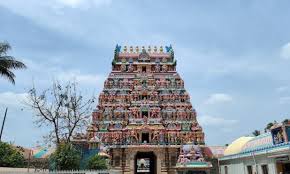
Important Days and Dates
- Friday (Shukra Vaaram) is the most auspicious day for worshipping Lord Shukra (Venus).
- Shukra Peyarchi (Venus Transit) days are considered highly sacred.
- Pradosham days (13th day of each lunar fortnight) are important.
- Maha Shivaratri and Tamil month festivals are celebrated with devotion.
How to Reach
Delhi to Shukra (Venus) Temple – Kanjanur:
- By Air: Nearest airport is Tiruchirapalli International Airport (approx. 95 km). From there, buses and taxis are available to Kumbakonam and Kanjanur.
- By Train: Nearest railway station is Kumbakonam (approx. 18 km). Trains connect Kumbakonam with major cities including Delhi.
- By Road: From Kumbakonam, frequent buses and taxis are available to Kanjanur.
Ahmedabad to Shukra (Venus) Temple – Kanjanur:
- By Air: Fly from Ahmedabad to Tiruchirapalli or Chennai, then travel by road to Kumbakonam and Kanjanur.
- By Train: Ahmedabad to Kumbakonam via major railway junctions.
- By Road: Long-distance bus or car journey via Chennai or Trichy, then local transport to Kanjanur.
History of the Temple
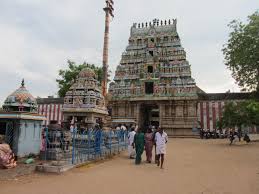
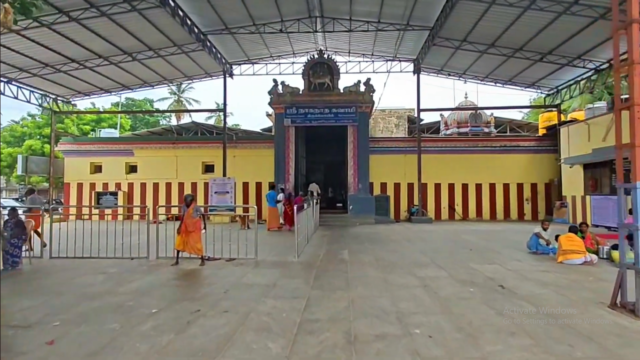
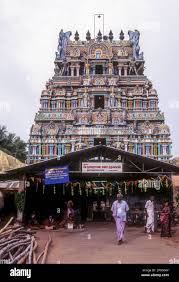
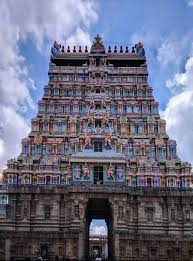
The Shukra (Venus) Temple at Kanjanur is one of the nine Navagraha temples of Tamil Nadu and is associated with the planet Venus, which signifies love, beauty, luxury, and marital harmony.
The presiding deity is Lord Shiva, worshipped here as Agneeswarar, along with Goddess Karpagambal. Unlike other Navagraha temples, there is no separate idol for Shukra; Venus is believed to be present within the main Shiva Lingam.
The temple is located on the northern banks of the River Kaveri and is believed to have been built during the Chola period. Devotees worship here to remove Shukra Dosha and to gain prosperity, artistic talents, and a happy married life.
Main Poojas Performed
The rituals here follow the Karanagama tradition. While the temple is dedicated to Shiva, the primary focus for seekers is propitiating Shukra for prosperity, marriage, and arts.
-
- Shukra Parihara Homam / Pooja: The most significant ritual. It involves special abhishekams (anointing) and offerings to alleviate “Shukra Dosha.” Devotees offer white lotus, white silk cloth, and Mochai (field beans).
- Kala Santhi Pooja: Performed in the early morning (around 8:30 AM) to invoke the energy of the day.
- Uchikala Pooja: The midday pooja (around 12:30 PM), considered highly auspicious for offering food (Neivethyam) to the deity.
- Sayarakshai Pooja: The evening ritual (around 6:00 PM) where lamps are lit, symbolizing the removal of darkness and ignorance.
- Arthajama Pooja: The final pooja of the day (around 8:30 PM) before the temple closes, focusing on peace and gratitude.
Attire (Dressing Guidelines) for Pooja
To maintain the sanctity of the Agamic traditions, the temple follows the standard dress code mandated by the Tamil Nadu Hindu Religious and Charitable Endowments (HR&CE) Department.
Men:
-
- Recommended: Dhoti (Veshti) with a shirt or a towel/angavastram.
- Permitted: Formal trousers and shirts
- Prohibited: Shorts, lungis, or sleeveless tops.
Women:
-
- Recommended: Saree or half-saree.
- Permitted: Chudidhar or Salwar Kameez with a dupatta (stole).
- Prohibited: Leggings, skirts, or transparent clothing.
Official Websites
The temple is under the administration of the Thiruvaduthurai Adheenam (a traditional Shaivite monastery), rather than being directly managed by the state government, though it falls under the general oversight of the HR&CE.
Government Portal:
https://hrce.tn.gov.in/hrcehome/index.php
Adheenam/Trust Info:
https://en.wikipedia.org/wiki/Thiruvaduthurai_Adheenam
Description
Important Days and Dates
- Friday (Shukra Vaaram) is the most auspicious day for worshipping Lord Shukra (Venus).
- Shukra Peyarchi (Venus Transit) days are considered highly sacred.
- Pradosham days (13th day of each lunar fortnight) are important.
- Maha Shivaratri and Tamil month festivals are celebrated with devotion.
How to Reach
Delhi to Shukra (Venus) Temple – Kanjanur:
- By Air: Nearest airport is Tiruchirapalli International Airport (approx. 95 km). From there, buses and taxis are available to Kumbakonam and Kanjanur.
- By Train: Nearest railway station is Kumbakonam (approx. 18 km). Trains connect Kumbakonam with major cities including Delhi.
- By Road: From Kumbakonam, frequent buses and taxis are available to Kanjanur.
Ahmedabad to Shukra (Venus) Temple – Kanjanur:
- By Air: Fly from Ahmedabad to Tiruchirapalli or Chennai, then travel by road to Kumbakonam and Kanjanur.
- By Train: Ahmedabad to Kumbakonam via major railway junctions.
- By Road: Long-distance bus or car journey via Chennai or Trichy, then local transport to Kanjanur.
History of the Temple
The Shukra (Venus) Temple at Kanjanur is one of the nine Navagraha temples of Tamil Nadu and is associated with the planet Venus, which signifies love, beauty, luxury, and marital harmony.
The presiding deity is Lord Shiva, worshipped here as Agneeswarar, along with Goddess Karpagambal. Unlike other Navagraha temples, there is no separate idol for Shukra; Venus is believed to be present within the main Shiva Lingam.
The temple is located on the northern banks of the River Kaveri and is believed to have been built during the Chola period. Devotees worship here to remove Shukra Dosha and to gain prosperity, artistic talents, and a happy married life.
Main Poojas Performed
The rituals here follow the Karanagama tradition. While the temple is dedicated to Shiva, the primary focus for seekers is propitiating Shukra for prosperity, marriage, and arts.
-
- Shukra Parihara Homam / Pooja: The most significant ritual. It involves special abhishekams (anointing) and offerings to alleviate “Shukra Dosha.” Devotees offer white lotus, white silk cloth, and Mochai (field beans).
- Kala Santhi Pooja: Performed in the early morning (around 8:30 AM) to invoke the energy of the day.
- Uchikala Pooja: The midday pooja (around 12:30 PM), considered highly auspicious for offering food (Neivethyam) to the deity.
- Sayarakshai Pooja: The evening ritual (around 6:00 PM) where lamps are lit, symbolizing the removal of darkness and ignorance.
- Arthajama Pooja: The final pooja of the day (around 8:30 PM) before the temple closes, focusing on peace and gratitude.
Attire (Dressing Guidelines) for Pooja
To maintain the sanctity of the Agamic traditions, the temple follows the standard dress code mandated by the Tamil Nadu Hindu Religious and Charitable Endowments (HR&CE) Department.
Men:
-
- Recommended: Dhoti (Veshti) with a shirt or a towel/angavastram.
- Permitted: Formal trousers and shirts
- Prohibited: Shorts, lungis, or sleeveless tops.
Women:
-
- Recommended: Saree or half-saree.
- Permitted: Chudidhar or Salwar Kameez with a dupatta (stole).
- Prohibited: Leggings, skirts, or transparent clothing.
Official Websites
The temple is under the administration of the Thiruvaduthurai Adheenam (a traditional Shaivite monastery), rather than being directly managed by the state government, though it falls under the general oversight of the HR&CE.
Government Portal:
https://hrce.tn.gov.in/hrcehome/index.php
Adheenam/Trust Info:
https://en.wikipedia.org/wiki/Thiruvaduthurai_Adheenam