-
Rahu – Thirunageswaram
-
 Tamil_Nadu, Thanjavur
 -
January 30, 2026
-
-
0.00

 January 30, 2026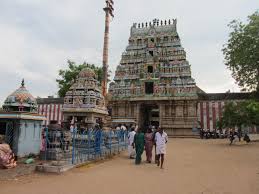
Important Days and Dates
- Sundays and Tuesdays: Considered auspicious for worship of Rahu Bhagavan.
- Rahu Kalam: Daily time period dedicated to Rahu worship.
- Amavasya (New Moon Day): Special prayers for Rahu Dosha nivaran.
- Shukla Paksha Panchami: Traditionally associated with Rahu-related remedies.
- Maha Shivaratri: Observed as Rahu is associated with Lord Shiva.
How to Reach
Delhi to Thirunageswaram:
- By Air: Fly from Delhi to Trichy International Airport. From Trichy, take a taxi or bus to Thirunageswaram (approx. 100 km).
- By Train: Delhi to Kumbakonam via major junctions like Chennai or Trichy. Thirunageswaram is about 6 km from Kumbakonam.
- By Road: Road travel via Chennai/Trichy using interstate buses and taxis.
Ahmedabad to Thirunageswaram:
- By Air: Fly from Ahmedabad to Trichy or Chennai. Continue by road to Thirunageswaram.
- By Train: Ahmedabad to Kumbakonam via Chennai or Villupuram.
- By Road: Long-distance buses available till Chennai or Trichy, followed by local transport.
History of the Temple
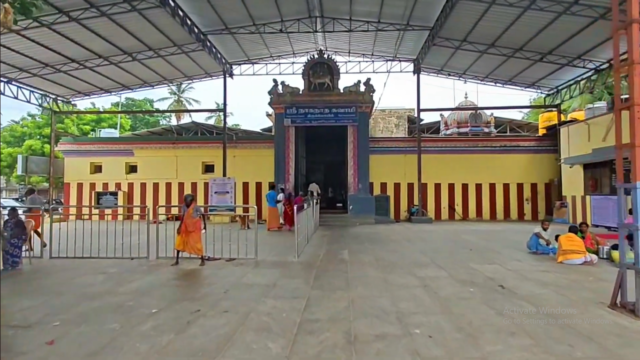
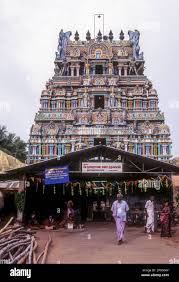
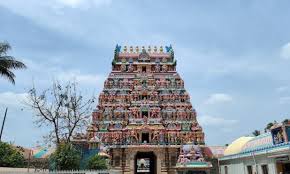
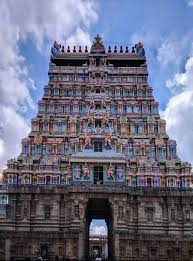
The Rahu Temple at Thirunageswaram is one of the most significant Navagraha temples of South India and is dedicated to Rahu Bhagavan. It is located near Kumbakonam in Tamil Nadu.
According to Hindu mythology, Rahu is a shadow planet known for causing sudden changes, illusions, and karmic challenges. At Thirunageswaram, Rahu is believed to have worshipped Lord Shiva to attain relief from curses and gain divine grace.
The temple is part of the larger Naganathaswamy Temple complex, where Lord Shiva is worshipped as Naganathaswamy and Goddess Parvati as Girigujambika. A unique feature of this temple is the milk abhishekam performed to Rahu idol, where the milk is believed to change color during the ritual.
Devotees visit this sacred temple seeking relief from Rahu Dosha, Kala Sarpa Dosha, and other planetary afflictions, believing that sincere prayers here bring transformation and protection.
Main Poojas Performed
The poojas at this temple are unique due to the “Abhishekam” phenomenon where milk poured over the Rahu idol turns blue.
-
- Rahu Kala Abhishekam (Primary Pooja): This is the most significant ritual. It is performed daily during Rahu Kaalam. Devotees offer milk abhishekam to mitigate the effects of Rahu Dosha, Sarpa Dosha, or delays in marriage/progeny
- Milk Abhishekam: Performed multiple times a day. The miracle of the milk turning light blue upon touching the idol is the hallmark of this temple’s divinity.
- Kala Santhi Pooja: The early morning ritual (around 8:30 AM) dedicated to the main deity, Lord Naganathaswamy, and Goddess Piraiyanivanuthal Ammai.
- Sayarakshai Pooja: The evening prayer (around 6:00 PM) which involves elaborate rituals and chanting of the Vedas and Tevaram hymns.
- Arthajama Pooja: The final pooja of the day (around 9:00 PM) before the temple closes.
Attire (Dressing Guidelines) for Pooja
As with most traditional temples in Tamil Nadu, a formal dress code is strictly enforced to maintain sanctity.
Men:
-
- Recommended: Dhoti (Veshti) with a shirt or a towel (Angavastram).
- Note: Many devotees choose to remove their shirts during the Abhishekam, though it is not always mandatory unless entering the inner sanctum for specific rituals.
- Prohibited: Lungis, shorts, and casual caps
Women:
-
- Recommended: Saree, Half-saree, or Chudidhar/Salwar Kameez with a dupatta (shawl).
- Prohibited: Leggings, sleeveless tops, or western-style casual wear.
Official Websites
As the temple is under the administration of the Hindu Religious and Charitable Endowments (HR&CE) Department of the Government of Tamil Nadu, the official portals are:
Official Government (HR&CE) Portal:
https://hrce.tn.gov.in/hrcehome/index.php
Specific Temple Link:
https://hrce.tn.gov.in/hrcehome/
Description
Important Days and Dates
- Sundays and Tuesdays: Considered auspicious for worship of Rahu Bhagavan.
- Rahu Kalam: Daily time period dedicated to Rahu worship.
- Amavasya (New Moon Day): Special prayers for Rahu Dosha nivaran.
- Shukla Paksha Panchami: Traditionally associated with Rahu-related remedies.
- Maha Shivaratri: Observed as Rahu is associated with Lord Shiva.
How to Reach
Delhi to Thirunageswaram:
- By Air: Fly from Delhi to Trichy International Airport. From Trichy, take a taxi or bus to Thirunageswaram (approx. 100 km).
- By Train: Delhi to Kumbakonam via major junctions like Chennai or Trichy. Thirunageswaram is about 6 km from Kumbakonam.
- By Road: Road travel via Chennai/Trichy using interstate buses and taxis.
Ahmedabad to Thirunageswaram:
- By Air: Fly from Ahmedabad to Trichy or Chennai. Continue by road to Thirunageswaram.
- By Train: Ahmedabad to Kumbakonam via Chennai or Villupuram.
- By Road: Long-distance buses available till Chennai or Trichy, followed by local transport.
History of the Temple
The Rahu Temple at Thirunageswaram is one of the most significant Navagraha temples of South India and is dedicated to Rahu Bhagavan. It is located near Kumbakonam in Tamil Nadu.
According to Hindu mythology, Rahu is a shadow planet known for causing sudden changes, illusions, and karmic challenges. At Thirunageswaram, Rahu is believed to have worshipped Lord Shiva to attain relief from curses and gain divine grace.
The temple is part of the larger Naganathaswamy Temple complex, where Lord Shiva is worshipped as Naganathaswamy and Goddess Parvati as Girigujambika. A unique feature of this temple is the milk abhishekam performed to Rahu idol, where the milk is believed to change color during the ritual.
Devotees visit this sacred temple seeking relief from Rahu Dosha, Kala Sarpa Dosha, and other planetary afflictions, believing that sincere prayers here bring transformation and protection.
Main Poojas Performed
The poojas at this temple are unique due to the “Abhishekam” phenomenon where milk poured over the Rahu idol turns blue.
-
- Rahu Kala Abhishekam (Primary Pooja): This is the most significant ritual. It is performed daily during Rahu Kaalam. Devotees offer milk abhishekam to mitigate the effects of Rahu Dosha, Sarpa Dosha, or delays in marriage/progeny
- Milk Abhishekam: Performed multiple times a day. The miracle of the milk turning light blue upon touching the idol is the hallmark of this temple’s divinity.
- Kala Santhi Pooja: The early morning ritual (around 8:30 AM) dedicated to the main deity, Lord Naganathaswamy, and Goddess Piraiyanivanuthal Ammai.
- Sayarakshai Pooja: The evening prayer (around 6:00 PM) which involves elaborate rituals and chanting of the Vedas and Tevaram hymns.
- Arthajama Pooja: The final pooja of the day (around 9:00 PM) before the temple closes.
Attire (Dressing Guidelines) for Pooja
As with most traditional temples in Tamil Nadu, a formal dress code is strictly enforced to maintain sanctity.
Men:
-
- Recommended: Dhoti (Veshti) with a shirt or a towel (Angavastram).
- Note: Many devotees choose to remove their shirts during the Abhishekam, though it is not always mandatory unless entering the inner sanctum for specific rituals.
- Prohibited: Lungis, shorts, and casual caps
Women:
-
- Recommended: Saree, Half-saree, or Chudidhar/Salwar Kameez with a dupatta (shawl).
- Prohibited: Leggings, sleeveless tops, or western-style casual wear.
Official Websites
As the temple is under the administration of the Hindu Religious and Charitable Endowments (HR&CE) Department of the Government of Tamil Nadu, the official portals are:
Official Government (HR&CE) Portal:
https://hrce.tn.gov.in/hrcehome/index.php
Specific Temple Link:
https://hrce.tn.gov.in/hrcehome/