-
Mangala_(Mars)_Vaitheeswaran_Koil
-
 Nagapattinam, Tamil_Nadu
 -
January 30, 2026
-
-
0.00

 January 30, 2026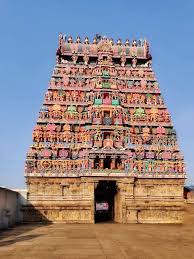
Important Days and Dates
- Tuesday: Considered the most auspicious day for worship of Lord Mars (Mangala).
- Angaraka Chaturthi: A special day dedicated to Lord Mars when devotees perform special poojas.
- Pradosham Days: Observed twice a month, significant for Lord Shiva worship at this temple.
- Maha Shivaratri: Celebrated annually with special rituals and large gatherings of devotees.
- Tamil Month of Panguni (March–April): Considered highly auspicious, especially during planetary transitions.
How to Reach
From Delhi to Vaitheeswaran Koil:
- By Air: Fly from Delhi to Chennai International Airport. From Chennai, travel by road (approx. 235 km) or train to Mayiladuthurai, then take a local bus or taxi to Vaitheeswaran Koil (approx. 16 km).
- By Train: Take a train from Delhi to Chennai or directly to Mayiladuthurai (subject to availability). From Mayiladuthurai, reach the temple by local transport.
- By Road: Long-distance road travel is possible but not generally preferred due to distance.
From Ahmedabad to Vaitheeswaran Koil:
- By Air: Fly from Ahmedabad to Chennai. From Chennai, proceed by road or train to Mayiladuthurai, then onward to Vaitheeswaran Koil.
- By Train: Trains are available from Ahmedabad to Chennai or Tiruchirappalli. From there, travel to Mayiladuthurai and then to the temple.
- By Road: Road travel is possible but lengthy and not commonly used.
History of the Temple
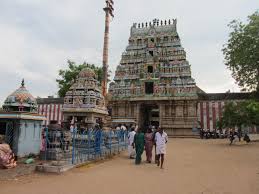
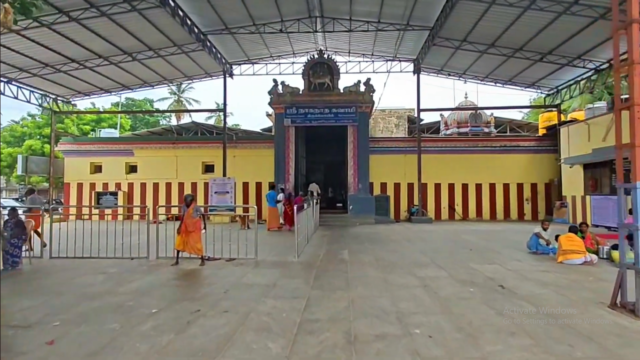
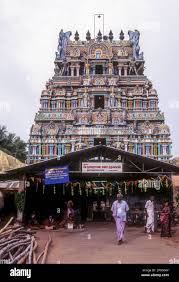
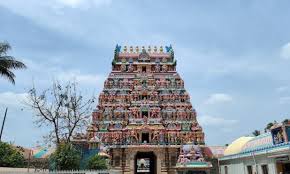
Vaitheeswaran Koil is an ancient and highly revered Hindu temple dedicated to Lord Shiva, worshipped here as Vaidyanathar, the divine healer. The temple is located in Tamil Nadu and is one of the Navagraha temples, specifically associated with Mangala (Mars).
According to Hindu belief, devotees suffering from the ill effects of Mars in their horoscope (such as Manglik Dosha) visit this temple to seek relief. Special poojas and offerings are performed to appease Lord Mars.
The temple is also associated with healing, as it is believed that Lord Shiva cures diseases here. Sacred ash from the temple and holy water from Siddhamrita Theertham are considered powerful remedies. The temple’s history is deeply rooted in Tamil Saivite traditions and is mentioned in ancient religious texts and hymns./p>
Main Poojas Performed
While Shiva is the main deity, the temple is world-renowned for its remedial prayers (Parihara) for Mars
-
- Angaraka (Mars) Parihara Pooja: This is the most sought-after pooja. It involves offering red vastram (cloth) and Toor Dal (pigeon peas) to the shrine of Angaraka to mitigate the effects of Chevvai Dosham (Mars Maleficence) and issues related to property, debt, or marriage.
- Shakti Vilvam & Salt-Pepper Offering: Devotees offer a mixture of salt and black pepper into a designated pond/altar. This is a unique ritual intended to cure physical ailments and skin diseases.
- Jatayu Kundam Homa: Prayers performed at the spot where the mythical bird Jatayu was cremated. It is believed to bring peace to ancestors.
- Kala Santhi, Ucchi Kala, & Sayarakshai Poojas: These are the daily ritualistic offerings (six times a day) performed to Lord Vaitheeswaran and Thaiyalnayaki Amman to maintain the temple’s spiritual sanctity.
Attire (Dressing Guidelines) for Pooja
To maintain the sanctity of the Agamic traditions, the temple follows a traditional dress code:
Men:
-
- Recommended:Dhoti (Veshti) with a formal shirt or a traditional Angavastram.
- Requirement:To enter the inner sanctum for specific Parihara rituals, men are often required to remove their shirts.
Women:
-
- Recommended:Saree or Half-Saree is preferred.
- Permissible: Salwar Kameez with a dupatta.
Prohibited:
-
- Casual wear such as lungis, shorts, bermudas, mini-skirts, or sleeveless tops are strictly discouraged and may lead to restricted entry in certain areas.
Official Websites
As the temple is under the administration of the Hindu Religious and Charitable Endowments (HR&CE) Department of the Government of Tamil Nadu, the official portals are:
Official Government (HR&CE) Portal:
https://hrce.tn.gov.in/hrcehome/
Specific Temple Link:
https://hrce.tn.gov.in/hrcehome/
Description
Important Days and Dates
- Tuesday: Considered the most auspicious day for worship of Lord Mars (Mangala).
- Angaraka Chaturthi: A special day dedicated to Lord Mars when devotees perform special poojas.
- Pradosham Days: Observed twice a month, significant for Lord Shiva worship at this temple.
- Maha Shivaratri: Celebrated annually with special rituals and large gatherings of devotees.
- Tamil Month of Panguni (March–April): Considered highly auspicious, especially during planetary transitions.
How to Reach
From Delhi to Vaitheeswaran Koil:
- By Air: Fly from Delhi to Chennai International Airport. From Chennai, travel by road (approx. 235 km) or train to Mayiladuthurai, then take a local bus or taxi to Vaitheeswaran Koil (approx. 16 km).
- By Train: Take a train from Delhi to Chennai or directly to Mayiladuthurai (subject to availability). From Mayiladuthurai, reach the temple by local transport.
- By Road: Long-distance road travel is possible but not generally preferred due to distance.
From Ahmedabad to Vaitheeswaran Koil:
- By Air: Fly from Ahmedabad to Chennai. From Chennai, proceed by road or train to Mayiladuthurai, then onward to Vaitheeswaran Koil.
- By Train: Trains are available from Ahmedabad to Chennai or Tiruchirappalli. From there, travel to Mayiladuthurai and then to the temple.
- By Road: Road travel is possible but lengthy and not commonly used.
History of the Temple
Vaitheeswaran Koil is an ancient and highly revered Hindu temple dedicated to Lord Shiva, worshipped here as Vaidyanathar, the divine healer. The temple is located in Tamil Nadu and is one of the Navagraha temples, specifically associated with Mangala (Mars).
According to Hindu belief, devotees suffering from the ill effects of Mars in their horoscope (such as Manglik Dosha) visit this temple to seek relief. Special poojas and offerings are performed to appease Lord Mars.
The temple is also associated with healing, as it is believed that Lord Shiva cures diseases here. Sacred ash from the temple and holy water from Siddhamrita Theertham are considered powerful remedies. The temple’s history is deeply rooted in Tamil Saivite traditions and is mentioned in ancient religious texts and hymns./p>
Main Poojas Performed
While Shiva is the main deity, the temple is world-renowned for its remedial prayers (Parihara) for Mars
-
- Angaraka (Mars) Parihara Pooja: This is the most sought-after pooja. It involves offering red vastram (cloth) and Toor Dal (pigeon peas) to the shrine of Angaraka to mitigate the effects of Chevvai Dosham (Mars Maleficence) and issues related to property, debt, or marriage.
- Shakti Vilvam & Salt-Pepper Offering: Devotees offer a mixture of salt and black pepper into a designated pond/altar. This is a unique ritual intended to cure physical ailments and skin diseases.
- Jatayu Kundam Homa: Prayers performed at the spot where the mythical bird Jatayu was cremated. It is believed to bring peace to ancestors.
- Kala Santhi, Ucchi Kala, & Sayarakshai Poojas: These are the daily ritualistic offerings (six times a day) performed to Lord Vaitheeswaran and Thaiyalnayaki Amman to maintain the temple’s spiritual sanctity.
Attire (Dressing Guidelines) for Pooja
To maintain the sanctity of the Agamic traditions, the temple follows a traditional dress code:
Men:
-
- Recommended:Dhoti (Veshti) with a formal shirt or a traditional Angavastram.
- Requirement:To enter the inner sanctum for specific Parihara rituals, men are often required to remove their shirts.
Women:
-
- Recommended:Saree or Half-Saree is preferred.
- Permissible: Salwar Kameez with a dupatta.
Prohibited:
-
- Casual wear such as lungis, shorts, bermudas, mini-skirts, or sleeveless tops are strictly discouraged and may lead to restricted entry in certain areas.
Official Websites
As the temple is under the administration of the Hindu Religious and Charitable Endowments (HR&CE) Department of the Government of Tamil Nadu, the official portals are:
Official Government (HR&CE) Portal:
https://hrce.tn.gov.in/hrcehome/
Specific Temple Link:
https://hrce.tn.gov.in/hrcehome/