

 January 29, 2026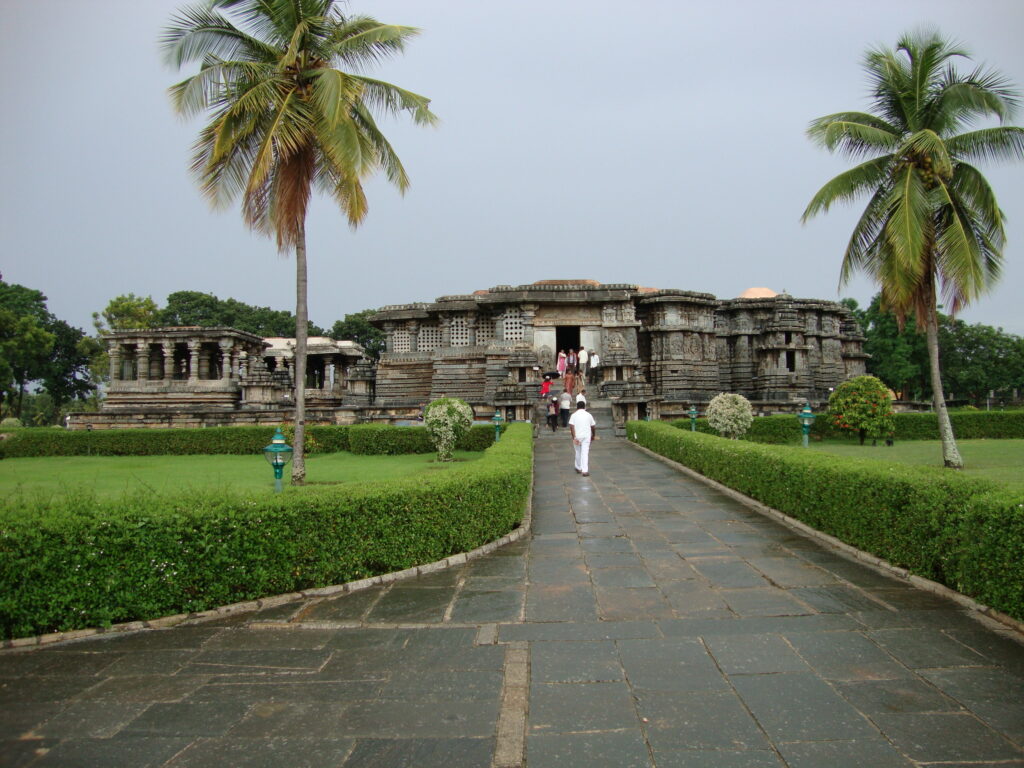
While the temple is no longer a site for large-scale daily temple rituals, certain days attract more visitors and local celebrations:
Important Days and Dates
- Maha Shivratri: Being a Shiva temple, this is the most significant day. Devotees visit to offer prayers to the twin Shivalingas.
- Halebidu Utsav: An annual cultural festival organized by the Karnataka government, featuring classical dance, music, and art performances against the backdrop of the temple.
- Karthika Deepotsava: Celebrated during the Hindu month of Karthika (Oct–Nov), where the temple and its surroundings are lit with oil lamps.
How to Reach
Halebidu is located in the Hassan district of Karnataka. The nearest major railhead is Hassan (31 km) and the nearest airport is Bengaluru (210 km).
Delhi to Hoysaleswara Temple
- By Air (Fastest): Fly from New Delhi (DEL) to Bengaluru (BLR). From the airport, you can hire a private taxi (approx. 4 hours) or take a KSRTC bus to Hassan and then a local bus/auto to Halebidu.
- By Train: Take the Karnataka Express or any direct train to Arsikere Junction or Hassan. From there, local buses or taxis are easily available (45–60 mins drive).
Ahmedabad to Hoysaleswara Templea
- By Air: Fly from Ahmedabad (AMD) to Bengaluru (BLR). From Bengaluru, proceed via taxi or bus as mentioned above.
- By Train: Take a train from Ahmedabad Junction to Arsikere Junction (e.g., Ajmer-Mysuru Express). Halebidu is about 45 km from Arsikere
History of the Temple
The temple’s history is a blend of Vedic lore and local tradition:
Construction: Built between 1121 and 1160 CE during the reign of King Vishnuvardhana of the Hoysala Empire.
Architect: The construction was led by Ketamalla, a high-ranking official, and the intricate carvings were executed by famous sculptors like Jakanachari.
The Twin Shrines: The temple is a Dvikuta (double-temple), with two identical shrines joined together. One is dedicated to Hoysaleswara (named after the King) and the other to Shantaleswara (named after Queen Shantala Devi).
Artistic Significance: It is famous for its Soapstone (Chloritic Schist) carvings. The exterior walls contain over 240 exquisite sculptures depicting scenes from the Ramayana, Mahabharata, and various Hindu deities.
Invasions: The temple and the city (then called Dorasamudra) were sacked and looted by the Delhi Sultanate (Malik Kafur) in the early 14th century, leading to its current partially ruined state.
Main Poojas Performed
It is important to note that the Hoysaleswara Temple is a protected monument under the Archaeological Survey of India (ASI). While it houses Shivalingas, it does not follow the elaborate ritualistic schedule of a standard active temple.
-
- Nitya Pooja (Daily Offering): A simple morning pooja is performed by a designated priest to the main deities, Hoysaleswara and Shantaleswara
- Abhisheka: Performed on special requests or during Shivratri, involving the ritual bathing of the Shivalinga with water, milk, or honey.
- Deeparadhana: Lighting of lamps in front of the sanctum during the evening hours before the temple complex closes.
Note: Because the temple was partially ruined during historical invasions, many traditional daily “Sevas” found in other South Indian temples are not practiced here.
Attire (Dressing Guidelines) for Pooja
The temple follows a “modest” dress code suitable for a heritage and religious site.
Men:
-
- Formal or traditional wear is recommended. Dhoti or trousers with a shirt. Avoid wearing shorts or sleeveless tank tops.
Women:
-
- Saree, Salwar Kameez, or long skirts. It is advised to avoid western casuals like crop tops or short skirts.
Restrictions:
-
- You must remove footwear before entering the temple platform. Photography is generally allowed on the exterior, but follow local signs regarding the inner sanctum.
Official Websites
Government Tourism Link:
https://karnatakatourism.org/en/destinations/halebeedu/
Temple Trust Official Website:
https://hassan.nic.in/en/tourist-place/hoysaleshwara-temple-halebeed/
Description
While the temple is no longer a site for large-scale daily temple rituals, certain days attract more visitors and local celebrations:
Important Days and Dates
- Maha Shivratri: Being a Shiva temple, this is the most significant day. Devotees visit to offer prayers to the twin Shivalingas.
- Halebidu Utsav: An annual cultural festival organized by the Karnataka government, featuring classical dance, music, and art performances against the backdrop of the temple.
- Karthika Deepotsava: Celebrated during the Hindu month of Karthika (Oct–Nov), where the temple and its surroundings are lit with oil lamps.
How to Reach
Halebidu is located in the Hassan district of Karnataka. The nearest major railhead is Hassan (31 km) and the nearest airport is Bengaluru (210 km).
Delhi to Hoysaleswara Temple
- By Air (Fastest): Fly from New Delhi (DEL) to Bengaluru (BLR). From the airport, you can hire a private taxi (approx. 4 hours) or take a KSRTC bus to Hassan and then a local bus/auto to Halebidu.
- By Train: Take the Karnataka Express or any direct train to Arsikere Junction or Hassan. From there, local buses or taxis are easily available (45–60 mins drive).
Ahmedabad to Hoysaleswara Templea
- By Air: Fly from Ahmedabad (AMD) to Bengaluru (BLR). From Bengaluru, proceed via taxi or bus as mentioned above.
- By Train: Take a train from Ahmedabad Junction to Arsikere Junction (e.g., Ajmer-Mysuru Express). Halebidu is about 45 km from Arsikere
History of the Temple
The temple’s history is a blend of Vedic lore and local tradition:
Construction: Built between 1121 and 1160 CE during the reign of King Vishnuvardhana of the Hoysala Empire.
Architect: The construction was led by Ketamalla, a high-ranking official, and the intricate carvings were executed by famous sculptors like Jakanachari.
The Twin Shrines: The temple is a Dvikuta (double-temple), with two identical shrines joined together. One is dedicated to Hoysaleswara (named after the King) and the other to Shantaleswara (named after Queen Shantala Devi).
Artistic Significance: It is famous for its Soapstone (Chloritic Schist) carvings. The exterior walls contain over 240 exquisite sculptures depicting scenes from the Ramayana, Mahabharata, and various Hindu deities.
Invasions: The temple and the city (then called Dorasamudra) were sacked and looted by the Delhi Sultanate (Malik Kafur) in the early 14th century, leading to its current partially ruined state.
Main Poojas Performed
It is important to note that the Hoysaleswara Temple is a protected monument under the Archaeological Survey of India (ASI). While it houses Shivalingas, it does not follow the elaborate ritualistic schedule of a standard active temple.
-
- Nitya Pooja (Daily Offering): A simple morning pooja is performed by a designated priest to the main deities, Hoysaleswara and Shantaleswara
- Abhisheka: Performed on special requests or during Shivratri, involving the ritual bathing of the Shivalinga with water, milk, or honey.
- Deeparadhana: Lighting of lamps in front of the sanctum during the evening hours before the temple complex closes.
Note: Because the temple was partially ruined during historical invasions, many traditional daily “Sevas” found in other South Indian temples are not practiced here.
Attire (Dressing Guidelines) for Pooja
The temple follows a “modest” dress code suitable for a heritage and religious site.
Men:
-
- Formal or traditional wear is recommended. Dhoti or trousers with a shirt. Avoid wearing shorts or sleeveless tank tops.
Women:
-
- Saree, Salwar Kameez, or long skirts. It is advised to avoid western casuals like crop tops or short skirts.
Restrictions:
-
- You must remove footwear before entering the temple platform. Photography is generally allowed on the exterior, but follow local signs regarding the inner sanctum.
Official Websites
Government Tourism Link:
https://karnatakatourism.org/en/destinations/halebeedu/
Temple Trust Official Website:
https://hassan.nic.in/en/tourist-place/hoysaleshwara-temple-halebeed/