-
Budha (Mercury) Temple
-
 Mayiladuthurai, Tamil_Nadu
 -
January 28, 2026
-
-
0.00

 January 28, 2026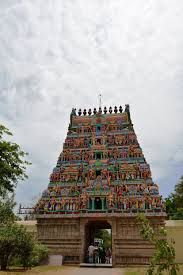
Important Days and Dates
- Wednesday is considered the most auspicious day for worshipping Lord Budha (Mercury).
- Budhan Pooja is especially significant during Mercury Hora and on Budha Peyarchi days.
- Maha Shivaratri is celebrated with great devotion.
- Pradosham days (13th day of lunar fortnight) are important.
- Navaratri festival is also observed
How to Reach
Delhi to Budha (Mercury) Temple – Thiruvenkadu:
- By By Air: Nearest airport is Tiruchirapalli International Airport (approx. 160 km). From the airport, taxis and buses are available
- By Train: Nearest railway station is Mayiladuthurai Junction (approx. 15 km). Regular trains connect Mayiladuthurai with major cities including Delhi.
- By Road: From Mayiladuthurai, buses and taxis are easily available to Thiruvenkadu.
Ahmedabad to Budha (Mercury) Temple – Thiruvenkadu:
- By Air: Fly from Ahmedabad to Tiruchirapalli or Chennai, then continue by road or train.
- By Train: Ahmedabad to Mayiladuthurai via major junctions like Chennai or Trichy.
- By Road: Long-distance bus or car journey via Chennai or Trichy, then towards Mayiladuthurai.
History of the Temple
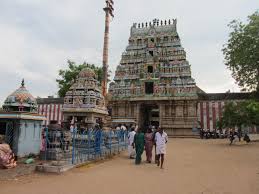
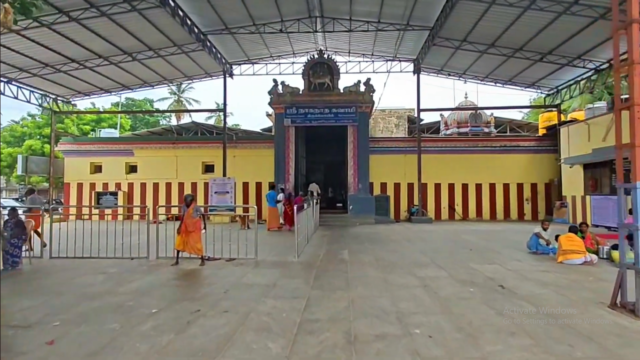
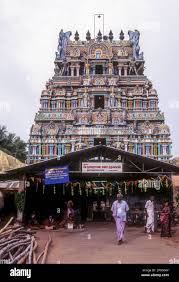
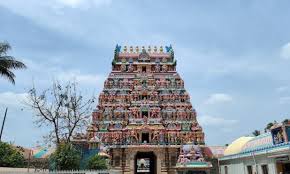
The Budha (Mercury) Temple at Thiruvenkadu is one of the nine Navagraha temples of Tamil Nadu and is dedicated to Lord Budha, the planet Mercury. Thiruvenkadu is also known as the birthplace of Lord Budha according to Hindu mythology.
The presiding deity is Lord Shiva, worshipped here as Swetharanyeswarar, along with Goddess Brahma Vidya Nayaki. The temple is famous for its three sacred water tanks known as Agni, Surya, and Chandra Theerthams. Devotees believe that worshipping here helps remove obstacles related to education, communication, business, and intelligence.
The temple has strong connections with Sage Agastya and is revered for relieving afflictions related to Mercury in astrology.
Main Poojas Performed
The poojas here cater to both the presiding deity, Lord Shiva, and the specific planetary deity, Budha Bhagavan.
-
- Budha Parihara Pooja (Main Pooja): This is the most sought-after ritual. It involves a special Abhishekam (holy bath) and Archana to Lord Budha to mitigate “Budha Dosha.” Devotees offer green cloth and moong dal (green gram) to seek blessings for education, business, and communication.
- Aghora Murthy Pooja: A unique feature of this temple is the shrine of Aghora Murthy (a fierce form of Shiva). Special poojas are performed here on Sunday nights to remove enemies, fears, and health obstacles.
- Kala Bhairavar Pooja: Performed during the Ashtami of the waning moon (Theipirai), this pooja is significant for time management and overcoming financial hurdles.
- Daily Kala Poojas: Like all major Shiva temples, six scheduled poojas are performed daily (Ushakkala, Kaalasanthi, Ucchikala, Sayarakshai, Irandaam Kaala, and Arthajama).
Attire (Dressing Guidelines) for Pooja
To maintain the sanctity of the temple, the Tamil Nadu Hindu Religious and Charitable Endowments (HR&CE) Department recommends traditional attire.
Men:
-
- Recommended: Dhoti (Veshti) with a shirt or a formal towel (Angavastram).
- Permitted: Formal trousers and shirts.
- Prohibited: Shorts, lungis, and sleeveless tops.
Women:
-
- Recommended: Sarees or half-sarees (Pavadai Thavani).
- Permitted: Salwar Kameez or Chudidhar with a dupatta (stole).
- Prohibited: Leggings, skirts, or transparent/revealing clothing.
Note:
-
- Devotees are often required to remove their shirts before entering the innermost sanctum for specific Abhishekam rituals.
Official Websites
For bookings, official schedules, and temple-run accommodation, please refer to the following official government resource:
Government Website (HR&CE):
https://hrce.tn.gov.in/hrcehome/
Description
Important Days and Dates
- Wednesday is considered the most auspicious day for worshipping Lord Budha (Mercury).
- Budhan Pooja is especially significant during Mercury Hora and on Budha Peyarchi days.
- Maha Shivaratri is celebrated with great devotion.
- Pradosham days (13th day of lunar fortnight) are important.
- Navaratri festival is also observed
How to Reach
Delhi to Budha (Mercury) Temple – Thiruvenkadu:
- By By Air: Nearest airport is Tiruchirapalli International Airport (approx. 160 km). From the airport, taxis and buses are available
- By Train: Nearest railway station is Mayiladuthurai Junction (approx. 15 km). Regular trains connect Mayiladuthurai with major cities including Delhi.
- By Road: From Mayiladuthurai, buses and taxis are easily available to Thiruvenkadu.
Ahmedabad to Budha (Mercury) Temple – Thiruvenkadu:
- By Air: Fly from Ahmedabad to Tiruchirapalli or Chennai, then continue by road or train.
- By Train: Ahmedabad to Mayiladuthurai via major junctions like Chennai or Trichy.
- By Road: Long-distance bus or car journey via Chennai or Trichy, then towards Mayiladuthurai.
History of the Temple
The Budha (Mercury) Temple at Thiruvenkadu is one of the nine Navagraha temples of Tamil Nadu and is dedicated to Lord Budha, the planet Mercury. Thiruvenkadu is also known as the birthplace of Lord Budha according to Hindu mythology.
The presiding deity is Lord Shiva, worshipped here as Swetharanyeswarar, along with Goddess Brahma Vidya Nayaki. The temple is famous for its three sacred water tanks known as Agni, Surya, and Chandra Theerthams. Devotees believe that worshipping here helps remove obstacles related to education, communication, business, and intelligence.
The temple has strong connections with Sage Agastya and is revered for relieving afflictions related to Mercury in astrology.
Main Poojas Performed
The poojas here cater to both the presiding deity, Lord Shiva, and the specific planetary deity, Budha Bhagavan.
-
- Budha Parihara Pooja (Main Pooja): This is the most sought-after ritual. It involves a special Abhishekam (holy bath) and Archana to Lord Budha to mitigate “Budha Dosha.” Devotees offer green cloth and moong dal (green gram) to seek blessings for education, business, and communication.
- Aghora Murthy Pooja: A unique feature of this temple is the shrine of Aghora Murthy (a fierce form of Shiva). Special poojas are performed here on Sunday nights to remove enemies, fears, and health obstacles.
- Kala Bhairavar Pooja: Performed during the Ashtami of the waning moon (Theipirai), this pooja is significant for time management and overcoming financial hurdles.
- Daily Kala Poojas: Like all major Shiva temples, six scheduled poojas are performed daily (Ushakkala, Kaalasanthi, Ucchikala, Sayarakshai, Irandaam Kaala, and Arthajama).
Attire (Dressing Guidelines) for Pooja
To maintain the sanctity of the temple, the Tamil Nadu Hindu Religious and Charitable Endowments (HR&CE) Department recommends traditional attire.
Men:
-
- Recommended: Dhoti (Veshti) with a shirt or a formal towel (Angavastram).
- Permitted: Formal trousers and shirts.
- Prohibited: Shorts, lungis, and sleeveless tops.
Women:
-
- Recommended: Sarees or half-sarees (Pavadai Thavani).
- Permitted: Salwar Kameez or Chudidhar with a dupatta (stole).
- Prohibited: Leggings, skirts, or transparent/revealing clothing.
Note:
-
- Devotees are often required to remove their shirts before entering the innermost sanctum for specific Abhishekam rituals.
Official Websites
For bookings, official schedules, and temple-run accommodation, please refer to the following official government resource:
Government Website (HR&CE):
https://hrce.tn.gov.in/hrcehome/