
 January 28, 2026
Important Days and Dates
- Shitla Ashtami (Basoda Ashtami): The most important festival dedicated to Goddess Shitla, observed in the Hindu month of Chaitra.
- Navratri: Special prayers and offerings are made during both Chaitra and Sharad Navratri.
- Mondays and Fridays: Considered especially auspicious for worship at the temple.
How to Reach
From Delhi
- By Metro: The nearest metro station is Seelampur Metro Station on the Red Line. The temple is within walking distance or a short auto-rickshaw ride from the station.
- By Bus: Delhi Transport Corporation (DTC) buses frequently operate to Seelampur area.
- By Road: The temple is well-connected by local roads and can be reached by taxi or auto-rickshaw.
From Ahmedabad
- By Air: Take a flight from Ahmedabad to Indira Gandhi International Airport, New Delhi. From the airport, reach Seelampur via metro, taxi, or cab.
- By Train: Trains from Ahmedabad Junction or Sabarmati Junction reach New Delhi Railway Station or Old Delhi Railway Station. From there, use metro or local transport to reach Seelampur.
- By Road: Long-distance buses and private vehicles can travel from Ahmedabad to Delhi, followed by local transport to Seelampur.
History of the Temple
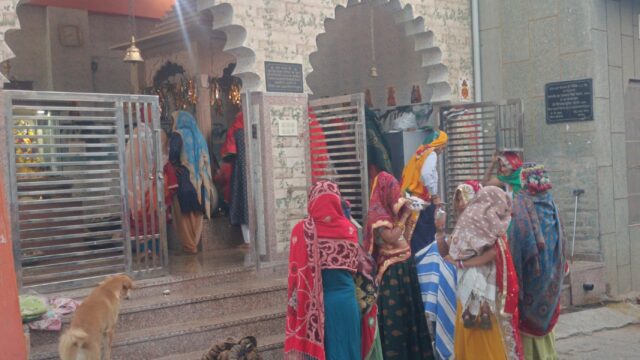
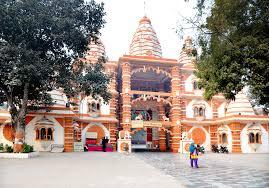
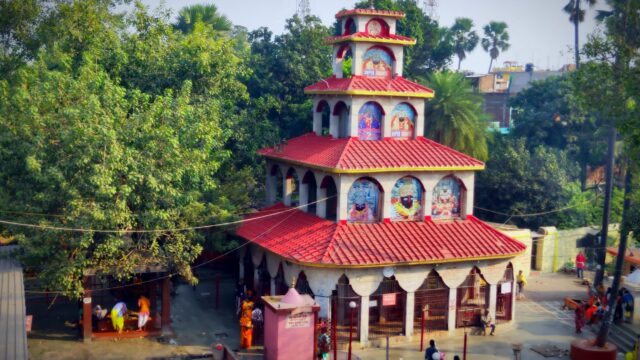
Shitla Mata Mandir in Seelampur, Delhi, is dedicated to Goddess Shitla, who is revered as the protector from diseases, especially those related to heat and infections such as smallpox, measles, and skin ailments. The worship of Goddess Shitla has been prevalent in North India for centuries. The temple is believed to have been established by local devotees who had deep faith in the healing and protective powers of the Goddess. Over time, the temple became a significant center of devotion for residents of Seelampur and surrounding areas. Devotees visit the temple to seek good health, protection from illnesses, and family well-being.
Main Poojas Performed
The rituals at this temple are centered around the concept of “Sheetal” (cooling).
-
- Sheetla Mata Puja (Main Pooja): The primary ritual involves offering cold water (Jal) and stale food (Basoda) to the deity. Devotees believe that the Goddess, who carries a broom and a pot, purifies the body and soul.
- Mundan Sanskar (Tonsuring): This is one of the most high-priority activities at the temple. Parents bring their children for their first ritualistic haircut to seek the Goddess’s protection from ailments like smallpox and measles.
- Jal Dema: A specific healing ritual where devotees suffering from skin ailments or fevers offer water to the Goddess and spend time in the temple premises, believing the divine vibrations will provide a “cooling” effect.
- Daily Aarti: Performed twice a day (morning and evening), where hymns specific to Sheetla Mata are sung.
Attire (Dressing Guidelines) for Pooja
While there is no rigid, enforced dress code, the temple follows traditional Hindu etiquette.
Men:
-
- Traditional Indian wear such as Kurta-Pyjama or Dhoti is preferred, though modest western wear (trousers and shirts) is acceptable. Short pants or sleeveless tops are generally discouraged.
Women:
-
- Saree or Salwar-Kameez with a Dupatta is the standard. It is customary for women to cover their heads with a veil or dupatta while inside the sanctum or during the Aarti.
Prohibitions:
-
- Leather items (belts, wallets) and footwear must be deposited at the designated shoe stand before entering the main temple complex.
Official Websites
As a local community-managed temple, it does not currently have a dedicated government-run portal. Information is typically disseminated through local trust notices.
Government Reference
https://www.delhitourism.gov.in/
Temple Trust:
The temple is managed by a local committee (often referred to as the Shree Sheetla Mata Mandir Prabandhak Committee, Seelampur). They do not maintain an active official website, but local updates are frequently posted on community social media pages.
Description
Important Days and Dates
- Shitla Ashtami (Basoda Ashtami): The most important festival dedicated to Goddess Shitla, observed in the Hindu month of Chaitra.
- Navratri: Special prayers and offerings are made during both Chaitra and Sharad Navratri.
- Mondays and Fridays: Considered especially auspicious for worship at the temple.
How to Reach
From Delhi
- By Metro: The nearest metro station is Seelampur Metro Station on the Red Line. The temple is within walking distance or a short auto-rickshaw ride from the station.
- By Bus: Delhi Transport Corporation (DTC) buses frequently operate to Seelampur area.
- By Road: The temple is well-connected by local roads and can be reached by taxi or auto-rickshaw.
From Ahmedabad
- By Air: Take a flight from Ahmedabad to Indira Gandhi International Airport, New Delhi. From the airport, reach Seelampur via metro, taxi, or cab.
- By Train: Trains from Ahmedabad Junction or Sabarmati Junction reach New Delhi Railway Station or Old Delhi Railway Station. From there, use metro or local transport to reach Seelampur.
- By Road: Long-distance buses and private vehicles can travel from Ahmedabad to Delhi, followed by local transport to Seelampur.
History of the Temple
Shitla Mata Mandir in Seelampur, Delhi, is dedicated to Goddess Shitla, who is revered as the protector from diseases, especially those related to heat and infections such as smallpox, measles, and skin ailments. The worship of Goddess Shitla has been prevalent in North India for centuries. The temple is believed to have been established by local devotees who had deep faith in the healing and protective powers of the Goddess. Over time, the temple became a significant center of devotion for residents of Seelampur and surrounding areas. Devotees visit the temple to seek good health, protection from illnesses, and family well-being.
Main Poojas Performed
The rituals at this temple are centered around the concept of “Sheetal” (cooling).
-
- Sheetla Mata Puja (Main Pooja): The primary ritual involves offering cold water (Jal) and stale food (Basoda) to the deity. Devotees believe that the Goddess, who carries a broom and a pot, purifies the body and soul.
- Mundan Sanskar (Tonsuring): This is one of the most high-priority activities at the temple. Parents bring their children for their first ritualistic haircut to seek the Goddess’s protection from ailments like smallpox and measles.
- Jal Dema: A specific healing ritual where devotees suffering from skin ailments or fevers offer water to the Goddess and spend time in the temple premises, believing the divine vibrations will provide a “cooling” effect.
- Daily Aarti: Performed twice a day (morning and evening), where hymns specific to Sheetla Mata are sung.
Attire (Dressing Guidelines) for Pooja
While there is no rigid, enforced dress code, the temple follows traditional Hindu etiquette.
Men:
-
- Traditional Indian wear such as Kurta-Pyjama or Dhoti is preferred, though modest western wear (trousers and shirts) is acceptable. Short pants or sleeveless tops are generally discouraged.
Women:
-
- Saree or Salwar-Kameez with a Dupatta is the standard. It is customary for women to cover their heads with a veil or dupatta while inside the sanctum or during the Aarti.
Prohibitions:
-
- Leather items (belts, wallets) and footwear must be deposited at the designated shoe stand before entering the main temple complex.
Official Websites
As a local community-managed temple, it does not currently have a dedicated government-run portal. Information is typically disseminated through local trust notices.
Government Reference
https://www.delhitourism.gov.in/
Temple Trust:
The temple is managed by a local committee (often referred to as the Shree Sheetla Mata Mandir Prabandhak Committee, Seelampur). They do not maintain an active official website, but local updates are frequently posted on community social media pages.