-
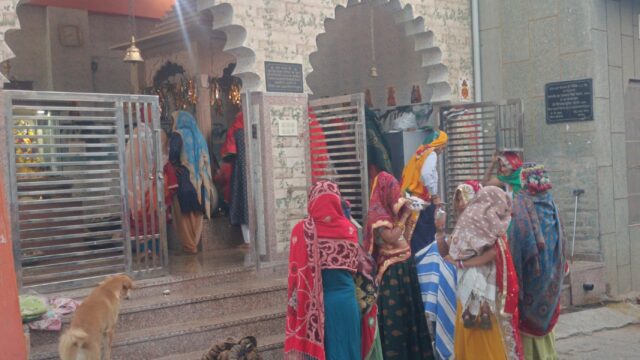
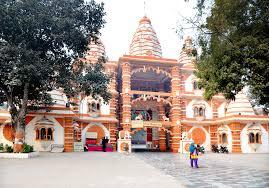
Shitala Mata Temple Kalighat
-
 Kolkata, West Bengal
 -
January 28, 2026
-
-
0.00

 January 28, 2026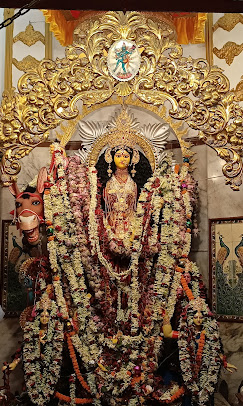
Important Days and Dates
- Shitala Saptami / Ashtami: Celebrated during the Hindu month of Chaitra (March–April), this is the most important festival dedicated to Goddess Shitala
- Mondays and Saturdays: Considered auspicious days for worship.
- Navratri: Devotees visit the temple in large numbers during both Chaitra and Sharadi Navratri.
- Summer Months: Special prayers are offered as Goddess Shitala is believed to protect devotees from diseases.
How to Reach
Delhi to Shitala Mata Temple:
- By Air: Take a flight from Delhi to Netaji Subhas Chandra Bose International Airport, Kolkata. From the airport, the temple is about 25 km and can be reached by taxi or app-based cab.
- By Train: Major trains run from Delhi to Howrah or Sealdah Railway Stations. From either station, reach Kalighat area by metro, taxi, or local transport.
- By Road: Long-distance buses and private vehicles connect Delhi to Kolkata, though this option is time-consuming.
Ahmedabad to Shitala Mata Temple:
- By Air: Direct and connecting flights are available from Ahmedabad to Kolkata. From the airport, hire a taxi to reach the Kalighat area.
- By Train: Several trains connect Ahmedabad to Howrah or Sealdah Railway Stations. From there, local transport can be used to reach the temple.
- By Road: Interstate buses and private vehicles are available but are less preferred due to long travel time.
Local Access in Kolkata:
- Nearest Metro Station: Kalighat Metro Station (Blue Line), from where the temple is a short walk or rickshaw ride.
- Taxis, auto-rickshaws, and buses are easily available throughout the city.
History of the Temple
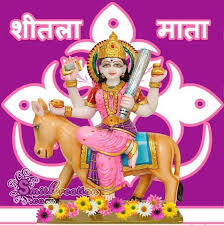
Shitala Mata Temple in the Kalighat area of Kolkata is dedicated to Goddess Shitala, who is revered as the protector against diseases such as smallpox, fever, and epidemics. The goddess holds a significant place in folk and Shakta traditions of eastern India.
The temple is believed to be centuries old and has been an important center of faith for local residents. Situated near the famous Kalighat Kali Temple, it attracts devotees who often visit both shrines together. Goddess Shitala is worshipped for health, hygiene, and the well-being of children.
Over time, the temple has been renovated and maintained by devotees, while preserving its traditional rituals. It continues to be an important spiritual destination in Kolkata, especially during festivals dedicated to the goddess.
Main Poojas Performed
Note on Authenticity:
The rituals at the temple are centered around the themes of purification and cooling, reflecting the goddess’s name (Shitla meaning “cool”).
-
- Shitla Mata Aarti: The primary daily ritual performed in the morning and evening. Devotees participate in singing hymns and offering prayers for the well-being of their families
- Shitla Ashtakam Path: A specialized recitation of the “Sheetla Ashtakam,” a hymn that praises the goddess and seeks her protection from fevers and skin-related ailments.
- Abhishekam (Holy Bath): The idol is periodically bathed with holy water, milk, and curd to maintain the “coolness” of the deity, symbolizing the cooling of the body’s internal heat.
- Mundan Sanskar (Tonsuring): Many families perform the first haircut ritual for their children at this temple to seek the goddess’s lifelong protection for the child.
Attire (Dressing Guidelines) for Pooja
While there is no rigid uniformed code, the temple maintains traditional Himachali religious decorum
Men:
-
- Recommended to wear Kurta-Pyjama or modest trousers and shirts. Dhotis are often preferred during special Havans.
Women:
-
- Traditional Indian attire such as Sarees or Salwar-Kameez is the norm. It is customary and respectful for women to cover their heads with a dupatta or scarf inside the sanctum.
Restrictions:
-
- Avoid wearing shorts, mini-skirts, or sleeveless tops. Leather items (belts, wallets) should be kept outside the main shrine area.
Official Websites
Information regarding state-managed temples in Kangra is typically hosted by the district administration.
Government Website:
https://hpkangra.nic.in/kangra-pilgrimage/
Temple Trust Website:
https://kangratemples.hp.gov.in
Description
Important Days and Dates
- Shitala Saptami / Ashtami: Celebrated during the Hindu month of Chaitra (March–April), this is the most important festival dedicated to Goddess Shitala
- Mondays and Saturdays: Considered auspicious days for worship.
- Navratri: Devotees visit the temple in large numbers during both Chaitra and Sharadi Navratri.
- Summer Months: Special prayers are offered as Goddess Shitala is believed to protect devotees from diseases.
How to Reach
Delhi to Shitala Mata Temple:
- By Air: Take a flight from Delhi to Netaji Subhas Chandra Bose International Airport, Kolkata. From the airport, the temple is about 25 km and can be reached by taxi or app-based cab.
- By Train: Major trains run from Delhi to Howrah or Sealdah Railway Stations. From either station, reach Kalighat area by metro, taxi, or local transport.
- By Road: Long-distance buses and private vehicles connect Delhi to Kolkata, though this option is time-consuming.
Ahmedabad to Shitala Mata Temple:
- By Air: Direct and connecting flights are available from Ahmedabad to Kolkata. From the airport, hire a taxi to reach the Kalighat area.
- By Train: Several trains connect Ahmedabad to Howrah or Sealdah Railway Stations. From there, local transport can be used to reach the temple.
- By Road: Interstate buses and private vehicles are available but are less preferred due to long travel time.
Local Access in Kolkata:
- Nearest Metro Station: Kalighat Metro Station (Blue Line), from where the temple is a short walk or rickshaw ride.
- Taxis, auto-rickshaws, and buses are easily available throughout the city.
History of the Temple
Shitala Mata Temple in the Kalighat area of Kolkata is dedicated to Goddess Shitala, who is revered as the protector against diseases such as smallpox, fever, and epidemics. The goddess holds a significant place in folk and Shakta traditions of eastern India.
The temple is believed to be centuries old and has been an important center of faith for local residents. Situated near the famous Kalighat Kali Temple, it attracts devotees who often visit both shrines together. Goddess Shitala is worshipped for health, hygiene, and the well-being of children.
Over time, the temple has been renovated and maintained by devotees, while preserving its traditional rituals. It continues to be an important spiritual destination in Kolkata, especially during festivals dedicated to the goddess.
Main Poojas Performed
Note on Authenticity:
The rituals at the temple are centered around the themes of purification and cooling, reflecting the goddess’s name (Shitla meaning “cool”).
-
- Shitla Mata Aarti: The primary daily ritual performed in the morning and evening. Devotees participate in singing hymns and offering prayers for the well-being of their families
- Shitla Ashtakam Path: A specialized recitation of the “Sheetla Ashtakam,” a hymn that praises the goddess and seeks her protection from fevers and skin-related ailments.
- Abhishekam (Holy Bath): The idol is periodically bathed with holy water, milk, and curd to maintain the “coolness” of the deity, symbolizing the cooling of the body’s internal heat.
- Mundan Sanskar (Tonsuring): Many families perform the first haircut ritual for their children at this temple to seek the goddess’s lifelong protection for the child.
Attire (Dressing Guidelines) for Pooja
While there is no rigid uniformed code, the temple maintains traditional Himachali religious decorum
Men:
-
- Recommended to wear Kurta-Pyjama or modest trousers and shirts. Dhotis are often preferred during special Havans.
Women:
-
- Traditional Indian attire such as Sarees or Salwar-Kameez is the norm. It is customary and respectful for women to cover their heads with a dupatta or scarf inside the sanctum.
Restrictions:
-
- Avoid wearing shorts, mini-skirts, or sleeveless tops. Leather items (belts, wallets) should be kept outside the main shrine area.
Official Websites
Information regarding state-managed temples in Kangra is typically hosted by the district administration.
Government Website:
https://hpkangra.nic.in/kangra-pilgrimage/
Temple Trust Website:
https://kangratemples.hp.gov.in