
 January 28, 2026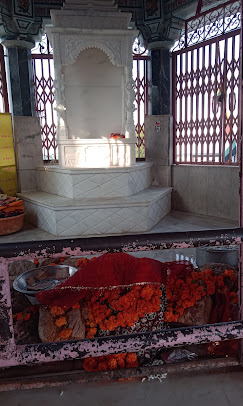
Important Days and Dates
- Shitala Saptami (Sheetala Satam) – The most important festival dedicated to Goddess Shitala, usually celebrated in the month of March–April.
- Navratri – Special prayers and rituals are performed during both Chaitra and Sharad Navratri.
- Fridays – Considered especially auspicious for worship.
How to Reach
Delhi to Shitala Mata Mandir Jaipur:
- By Air: Fly from Delhi to Jaipur International Airport. From the airport, the temple can be reached by taxi or local transport.
- By Train: Several trains connect Delhi to Jaipur Junction. From the railway station, auto-rickshaws and taxis are easily available.
- By Road: Jaipur is well connected to Delhi via NH48. Regular buses and private vehicles are available.
Ahmedabad to Shitala Mata Mandir, Jaipur:
- By Air: Direct and connecting flights are available from Ahmedabad to Jaipur.
- By Train: Multiple trains run between Ahmedabad Junction and Jaipur Junction.
- By Road: Jaipur is accessible from Ahmedabad via NH48 and NH58. State transport and private buses operate regularly.
History of the Temple
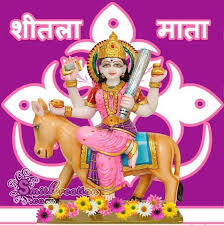
Shitala Mata Mandir in Jaipur is dedicated to Goddess Shitala, revered as the protector from diseases, especially those related to fever and epidemics. Goddess Shitala is traditionally worshipped across North India, particularly in Rajasthan, Gujarat, and Uttar Pradesh.
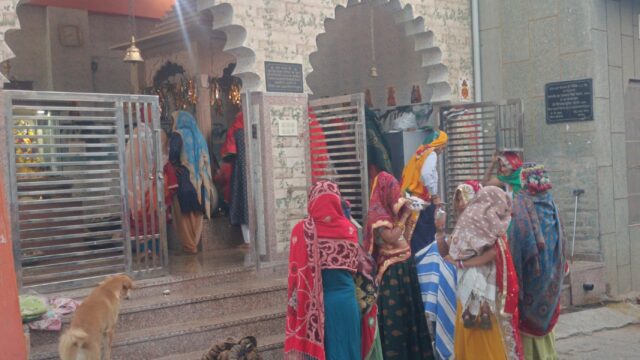
The temple has been a significant center of faith for centuries. Devotees believe that sincere prayers to Shitala Mata bring relief from illnesses and ensure the well-being of children and families. The temple becomes especially vibrant during Shitala Saptami, when thousands of devotees gather to offer prayers and traditional cold food (basoda) as part of the ritual.
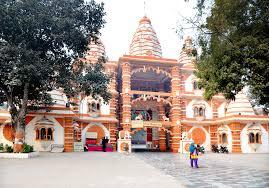
The temple stands as a symbol of deep-rooted folk traditions and devotion, reflecting the cultural and spiritual heritage of Jaipur.
Main Poojas Performed
Note on Authenticity:
The worship here is unique because Shitla Mata is the only Hindu deity to whom stale food (Basoda) is offered as Prasad.
-
- Shitla Mata Pujan (Basoda): The primary ritual where devotees offer “cold food” prepared the previous day. This symbolizes the cooling nature of the Goddess. The deity is bathed and smeared with sandalwood paste to signify cooling.
- Mundon Sanskar (Tonsure Ceremony): Many families visit this temple specifically for the first hair-cutting ceremony of their children, seeking the Goddess’s protection for the child’s health.
- Aarti and Bhog: Daily morning and evening prayers are conducted. Unlike other temples, the food offered is never fresh/hot, adhering to the tradition of Sheetal (cool) offerings
Attire (Dressing Guidelines) for Pooja
While there is no strict “uniform” enforced by a temple board, traditional decorum is highly respected and expected by the local community.
Men:
-
- Traditional Kurta-Pyjama or Dhoti-Kurta is preferred. However, formal trousers and shirts are acceptable.
Women:
-
- It is highly recommended to wear Sarees or Salwar Kameez with a dupatta. Wearing a Poshak (traditional Rajasthani attire) is very common during the fair. Head covering is a sign of respect while standing before the deity.
Restrictions:
-
- Avoid wearing revealing clothing (shorts, miniskirts, or sleeveless tops).
- Leather items (belts, wallets) should ideally be kept aside before entering the main sanctum.
Official Websites
There is currently no dedicated independent trust website for the Seel ki Dungri Shitla Mata temple. Information is typically managed through the state’s cultural and religious departments.
Government Portal:
https://www.tourism.rajasthan.gov.in/
Temple Trust Website:
https://devasthan.rajasthan.gov.in/
Description
Important Days and Dates
- Shitala Saptami (Sheetala Satam) – The most important festival dedicated to Goddess Shitala, usually celebrated in the month of March–April.
- Navratri – Special prayers and rituals are performed during both Chaitra and Sharad Navratri.
- Fridays – Considered especially auspicious for worship.
How to Reach
Delhi to Shitala Mata Mandir Jaipur:
- By Air: Fly from Delhi to Jaipur International Airport. From the airport, the temple can be reached by taxi or local transport.
- By Train: Several trains connect Delhi to Jaipur Junction. From the railway station, auto-rickshaws and taxis are easily available.
- By Road: Jaipur is well connected to Delhi via NH48. Regular buses and private vehicles are available.
Ahmedabad to Shitala Mata Mandir, Jaipur:
- By Air: Direct and connecting flights are available from Ahmedabad to Jaipur.
- By Train: Multiple trains run between Ahmedabad Junction and Jaipur Junction.
- By Road: Jaipur is accessible from Ahmedabad via NH48 and NH58. State transport and private buses operate regularly.
History of the Temple
Shitala Mata Mandir in Jaipur is dedicated to Goddess Shitala, revered as the protector from diseases, especially those related to fever and epidemics. Goddess Shitala is traditionally worshipped across North India, particularly in Rajasthan, Gujarat, and Uttar Pradesh.
The temple has been a significant center of faith for centuries. Devotees believe that sincere prayers to Shitala Mata bring relief from illnesses and ensure the well-being of children and families. The temple becomes especially vibrant during Shitala Saptami, when thousands of devotees gather to offer prayers and traditional cold food (basoda) as part of the ritual.
The temple stands as a symbol of deep-rooted folk traditions and devotion, reflecting the cultural and spiritual heritage of Jaipur.
Main Poojas Performed
Note on Authenticity:
The worship here is unique because Shitla Mata is the only Hindu deity to whom stale food (Basoda) is offered as Prasad.
-
- Shitla Mata Pujan (Basoda): The primary ritual where devotees offer “cold food” prepared the previous day. This symbolizes the cooling nature of the Goddess. The deity is bathed and smeared with sandalwood paste to signify cooling.
- Mundon Sanskar (Tonsure Ceremony): Many families visit this temple specifically for the first hair-cutting ceremony of their children, seeking the Goddess’s protection for the child’s health.
- Aarti and Bhog: Daily morning and evening prayers are conducted. Unlike other temples, the food offered is never fresh/hot, adhering to the tradition of Sheetal (cool) offerings
Attire (Dressing Guidelines) for Pooja
While there is no strict “uniform” enforced by a temple board, traditional decorum is highly respected and expected by the local community.
Men:
-
- Traditional Kurta-Pyjama or Dhoti-Kurta is preferred. However, formal trousers and shirts are acceptable.
Women:
-
- It is highly recommended to wear Sarees or Salwar Kameez with a dupatta. Wearing a Poshak (traditional Rajasthani attire) is very common during the fair. Head covering is a sign of respect while standing before the deity.
Restrictions:
-
- Avoid wearing revealing clothing (shorts, miniskirts, or sleeveless tops).
- Leather items (belts, wallets) should ideally be kept aside before entering the main sanctum.
Official Websites
There is currently no dedicated independent trust website for the Seel ki Dungri Shitla Mata temple. Information is typically managed through the state’s cultural and religious departments.
Government Portal:
https://www.tourism.rajasthan.gov.in/
Temple Trust Website:
https://devasthan.rajasthan.gov.in/