
 January 27, 2026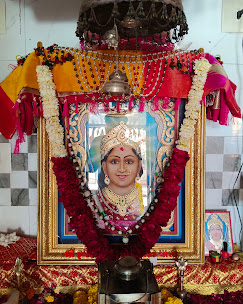
Important Days and Dates
The temple is a significant site for devotees of Goddess Chehar Maa. The following days are considered especially auspicious:
- Chaitra Navratri & Sharad Navratri: Like most Goddess temples in Gujarat, the nine days of Navratri are celebrated with great fervor, involving special pujas, Havan, and traditional Garba.
- Purnima (Full Moon Day): Every Purnima, a large number of devotees visit the temple for special darshan.
- Tuesday and Sunday: These days are traditionally dedicated to the Goddess, and special aartis are performed.
- Annual Patotsav: The anniversary of the temple’s idol installation is celebrated annually with a grand fair and religious ceremonies.
How to Reach
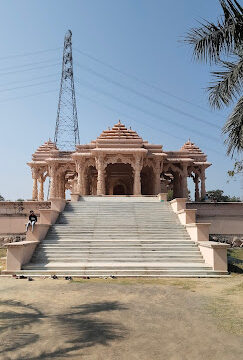
The temple is located in Khanda Colony, Sector 12, Panvel, Navi Mumbai
From Delhi to the Temple
- By Air: Fly from Delhi (DEL) to Ahmedabad (AMD). From Ahmedabad, the temple is approximately 130 km away. You can hire a taxi or take a GSRTC bus to Patan.
- By Train: Take a train from New Delhi (NDLS) to Mehsana Junction (MSH) or Siddhpur (SID). From there, you can take a local bus or taxi to reach the temple in Patan (approx. 30–45 mins).
- By Road: The distance is about 850 km. You can drive via NH48, which typically takes 14–16 hours.
From Ahmedabad to the Temple
- By Road (Fastest): The temple is about 110–130 km from Ahmedabad. You can drive via the Ahmedabad-Mehsana Highway. It takes approximately 2.5 to 3 hours.
- By Bus: State transport (GSRTC) buses and private luxury buses run frequently from Ahmedabad (Gita Mandir or Paldi) to Patan.
- By Train: Several local and express trains run from Ahmedabad Junction (ADI) to Patan (PTN) or Mehsana.
History of the Temple
Origin of Chehar Maa: According to local legends and folk history, Chehar Maa is believed to have manifested nearly 900 to 1000 years ago. She is often associated with the village of Martoli (near Mehsana) and Kamboi (Patan).
The Legend: Folk stories suggest that the Goddess appeared to protect her devotees and was brought up by a King of the Rathod dynasty. She is revered as a “Silent Killer” of woes and a protector against evil.
Cultural Significance: The temple in Patan (Kamboi) is part of a larger tradition of Chehar Maa worship across North Gujarat. The Goddess is considered the Kuldevi (ancestral deity) for many communities, including the Rabari and Patel communities. The temple is known for its peaceful atmosphere and the belief that the Goddess fulfills the wishes of those who visit with a pure heart.
Main Poojas Performed
The rituals at the temple are centered around the worship of Shakti. The poojas are performed in a specific sequence to maintain the sanctity of the deity.
-
- Mangala Aarti: The first aarti of the day, performed at dawn (usually between 5:30 AM and 6:30 AM). It is considered highly auspicious to witness the first awakening of the Mother.
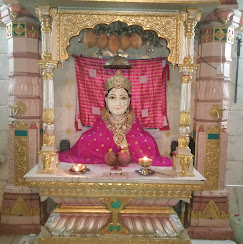
- Shringar Aarti: Performed after the deity is adorned with fresh clothes (Vastra) and jewelry. This pooja focuses on the visual beauty and grace of the Goddess.
- Sandhya Aarti: The evening aarti performed at sunset. This is typically the most attended pooja, involving the ringing of bells and traditional lamps.
- Naivedya / Thal: An offering of food (often sweets, fruits, or traditional Gujarati preparations) presented to the Goddess before being distributed as Prasad.
Attire (Dressing Guidelines) for Pooja
While there is no rigid “uniform,” the temple follows traditional Gujarati cultural norms.
Men:
-
- Traditional attire like Kurta-Pyjama or Dhoti is recommended for special poojas. Casual wear like shirts and trousers is acceptable, but shorts and sleeveless tops should be avoided.
Women:
-
- Traditional Indian wear such as Saree or Salwar Kameez with a dupatta is preferred. It is customary to cover the head during the Aarti or while entering the inner sanctum.
General:
-
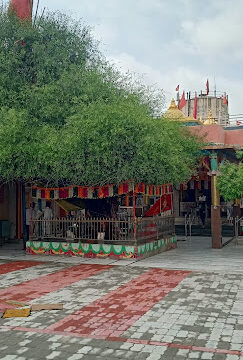
- Footwear must be removed before entering the main temple complex. Cleanliness and sobriety in dress are strictly expected to maintain the spiritual environment.
Official Websites
Official Trust Website:
While there is no dedicated government portal for this specific temple, information can often be found via the Patan District Official Website under the tourism or religious places section.
Description
Important Days and Dates
The temple is a significant site for devotees of Goddess Chehar Maa. The following days are considered especially auspicious:
- Chaitra Navratri & Sharad Navratri: Like most Goddess temples in Gujarat, the nine days of Navratri are celebrated with great fervor, involving special pujas, Havan, and traditional Garba.
- Purnima (Full Moon Day): Every Purnima, a large number of devotees visit the temple for special darshan.
- Tuesday and Sunday: These days are traditionally dedicated to the Goddess, and special aartis are performed.
- Annual Patotsav: The anniversary of the temple’s idol installation is celebrated annually with a grand fair and religious ceremonies.
How to Reach
The temple is located in Khanda Colony, Sector 12, Panvel, Navi Mumbai
From Delhi to the Temple
- By Air: Fly from Delhi (DEL) to Ahmedabad (AMD). From Ahmedabad, the temple is approximately 130 km away. You can hire a taxi or take a GSRTC bus to Patan.
- By Train: Take a train from New Delhi (NDLS) to Mehsana Junction (MSH) or Siddhpur (SID). From there, you can take a local bus or taxi to reach the temple in Patan (approx. 30–45 mins).
- By Road: The distance is about 850 km. You can drive via NH48, which typically takes 14–16 hours.
From Ahmedabad to the Temple
- By Road (Fastest): The temple is about 110–130 km from Ahmedabad. You can drive via the Ahmedabad-Mehsana Highway. It takes approximately 2.5 to 3 hours.
- By Bus: State transport (GSRTC) buses and private luxury buses run frequently from Ahmedabad (Gita Mandir or Paldi) to Patan.
- By Train: Several local and express trains run from Ahmedabad Junction (ADI) to Patan (PTN) or Mehsana.
History of the Temple
Origin of Chehar Maa: According to local legends and folk history, Chehar Maa is believed to have manifested nearly 900 to 1000 years ago. She is often associated with the village of Martoli (near Mehsana) and Kamboi (Patan).
The Legend: Folk stories suggest that the Goddess appeared to protect her devotees and was brought up by a King of the Rathod dynasty. She is revered as a “Silent Killer” of woes and a protector against evil.
Cultural Significance: The temple in Patan (Kamboi) is part of a larger tradition of Chehar Maa worship across North Gujarat. The Goddess is considered the Kuldevi (ancestral deity) for many communities, including the Rabari and Patel communities. The temple is known for its peaceful atmosphere and the belief that the Goddess fulfills the wishes of those who visit with a pure heart.
Main Poojas Performed
The rituals at the temple are centered around the worship of Shakti. The poojas are performed in a specific sequence to maintain the sanctity of the deity.
-
- Mangala Aarti: The first aarti of the day, performed at dawn (usually between 5:30 AM and 6:30 AM). It is considered highly auspicious to witness the first awakening of the Mother.
- Shringar Aarti: Performed after the deity is adorned with fresh clothes (Vastra) and jewelry. This pooja focuses on the visual beauty and grace of the Goddess.
- Sandhya Aarti: The evening aarti performed at sunset. This is typically the most attended pooja, involving the ringing of bells and traditional lamps.
- Naivedya / Thal: An offering of food (often sweets, fruits, or traditional Gujarati preparations) presented to the Goddess before being distributed as Prasad.
Attire (Dressing Guidelines) for Pooja
While there is no rigid “uniform,” the temple follows traditional Gujarati cultural norms.
Men:
-
- Traditional attire like Kurta-Pyjama or Dhoti is recommended for special poojas. Casual wear like shirts and trousers is acceptable, but shorts and sleeveless tops should be avoided.
Women:
-
- Traditional Indian wear such as Saree or Salwar Kameez with a dupatta is preferred. It is customary to cover the head during the Aarti or while entering the inner sanctum.
General:
-
- Footwear must be removed before entering the main temple complex. Cleanliness and sobriety in dress are strictly expected to maintain the spiritual environment.
Official Websites
Official Trust Website:
While there is no dedicated government portal for this specific temple, information can often be found via the Patan District Official Website under the tourism or religious places section.