
 January 27, 2026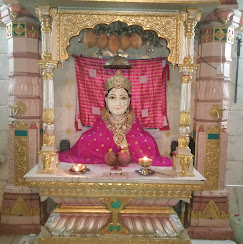
Important Days and Dates
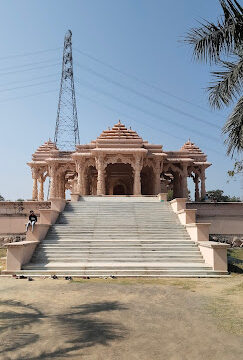
The Chehar Maa Temple in Palanpur (specifically the prominent locations in Akesan, Vagda, and Chadotar) follows the traditional Gujarati lunar calendar for its celebrations:
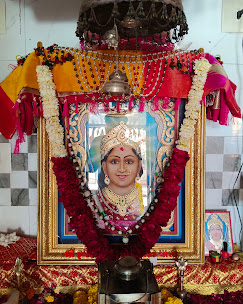
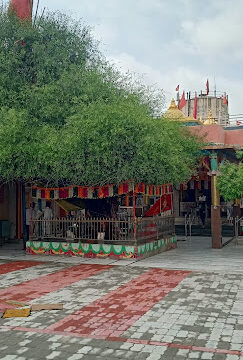
- Vasant Panchami: Known as the Pragatyotsav (Appearance Day) of Chehar Maa. This is the most significant festival, where thousands of devotees gather to celebrate her manifestation under the Kesuda tree.
- Purnima (Full Moon Days): Every full moon, especially the Chaitri Purnima, is considered highly auspicious. Large fairs (Melas) and special prayers are held
- Navratri: Both the Chaitra and Sharad Navratri are celebrated with nine nights of Garba, Havan (sacred fire rituals), and daily special decorations of the Goddess.
- Sundays and Tuesdays: These are dedicated days for the Goddess in this region, attracting many local pilgrims for the evening Aarti.
How to Reach
The temple is located in Khanda Colony, Sector 12, Panvel, Navi Mumbai
Delhi – To – Chehar Maa Temple (Palanpur)
- By Train: This is the most convenient method. Take a train like the Ashram Express or Swarna Jayanti Rajdhani from New Delhi (NDLS) or Delhi Junction (DLI) directly to Palanpur Junction (PNU). The journey takes 10–12 hours. From the station, the temple is just a few kilometers away by auto-rickshaw.
- By Air: Fly from Delhi (DEL) to Ahmedabad (AMD). From Ahmedabad, Palanpur is about 145 km away. You can complete the journey via a 3-hour taxi ride or a local train.
- By Road: Palanpur is well-connected via NH48. You can take a luxury bus from Delhi heading toward Ahmedabad/Surat and get down at Palanpur.
Ahmedabad – To – Chehar Maa Temple (Palanpur)
- By Train: Multiple trains run daily from Ahmedabad Junction (ADI) or Sabarmati (SBI) to Palanpur. The travel time is approximately 2.5 to 3.5 hours.
- By Bus: Both GSRTC (State Transport) and private luxury buses run every 30 minutes from Ahmedabad to Palanpur.
- By Car: A smooth drive via the Mehsana-Palanpur highway (approx. 145 km), which usually takes around 3 hours.
History of the Temple
The history of Chehar Maa in the Banaskantha/Palanpur district is steeped in folklore and the “Nath” tradition:
The Legend of Martoli: While the main seat of the Goddess is in Martoli, her influence is profound across Palanpur. She is believed to be a miracle-working daughter of a Rathod King, found in a cradle under a Kesuda tree.
Protection of Devotees: The temples in the Palanpur area (like those in Akesan and Vagda) were built by local communities and royal families who experienced “Parcha” (miracles). She is known as a protector goddess who safeguards the village borders.
Cultural Connection: The temple is often associated with Baba Augardhnath, a powerful saint of the Nath Sampradaya, who is said to have mentored the Goddess in spiritual and tantric arts before she became a revered deity.
The Eternal Flame: Many Palanpur shrines dedicated to Chehar Maa maintain an Akhand Jyot (eternal lamp) that has been burning for decades, symbolizing her constant presence.
Main Poojas Performed
The poojas at Chehar Maa temples are centered around the “Shakti” tradition, focusing on the motherly and protective aspects of the deity.
-
- Aarti (Morning and Evening): This is the most vital daily ritual. The evening aarti (Sandhya Aarti) is particularly significant and attracts the largest number of local devotees
- Thaal Offering: A ritual where sanctified food (Prasad) is offered to the Goddess. This usually consists of traditional Gujarati sweets like Sukhadi or Lapsi.
- Chunari Manorath: Devotees offer a sacred red cloth (Chunari) to the Goddess, often as a vow (Mannat) for the protection of their family.
- Dhoop Deep: The ritual lighting of incense and lamps, performed daily to purify the temple atmosphere.
- Morning: 6:00 AM to 12:00 PM
- Evening: 4:00 PM to 8:30 PM
- Note: Timings may vary slightly between the Akesan and Chadotar branches.
Temple Timings (General):
Attire (Dressing Guidelines) for Pooja
While there is no rigid “official” dress code enforced by a central board, the following traditional standards are expected out of respect for the sanctity of the shrine:
Men:
-
- Traditional attire like Kurta-Pyjama or Dhoti is recommended for special poojas. Modest casual wear (formal trousers and shirts) is generally accepted. Avoid wearing shorts or sleeveless tops inside the sanctum.
Women:
-
- Saree or Salwar-Kameez (with Dupatta) is the standard and recommended attire. It is a traditional custom in this region for women to cover their heads with a veil or dupatta while facing the deity.
General:
-
- Leather items (belts, wallets) should be kept outside or in bags, and footwear must be removed before entering the temple premises.
Official Websites
Official Trust Website:
No availble
Local Listings:
Information on the Palanpur branches (Akesan/Chadotar) is maintained by the Banaskantha District Administration under their “Places of Interest” category.
Description
Important Days and Dates
The Chehar Maa Temple in Palanpur (specifically the prominent locations in Akesan, Vagda, and Chadotar) follows the traditional Gujarati lunar calendar for its celebrations:
- Vasant Panchami: Known as the Pragatyotsav (Appearance Day) of Chehar Maa. This is the most significant festival, where thousands of devotees gather to celebrate her manifestation under the Kesuda tree.
- Purnima (Full Moon Days): Every full moon, especially the Chaitri Purnima, is considered highly auspicious. Large fairs (Melas) and special prayers are held
- Navratri: Both the Chaitra and Sharad Navratri are celebrated with nine nights of Garba, Havan (sacred fire rituals), and daily special decorations of the Goddess.
- Sundays and Tuesdays: These are dedicated days for the Goddess in this region, attracting many local pilgrims for the evening Aarti.
How to Reach
The temple is located in Khanda Colony, Sector 12, Panvel, Navi Mumbai
Delhi – To – Chehar Maa Temple (Palanpur)
- By Train: This is the most convenient method. Take a train like the Ashram Express or Swarna Jayanti Rajdhani from New Delhi (NDLS) or Delhi Junction (DLI) directly to Palanpur Junction (PNU). The journey takes 10–12 hours. From the station, the temple is just a few kilometers away by auto-rickshaw.
- By Air: Fly from Delhi (DEL) to Ahmedabad (AMD). From Ahmedabad, Palanpur is about 145 km away. You can complete the journey via a 3-hour taxi ride or a local train.
- By Road: Palanpur is well-connected via NH48. You can take a luxury bus from Delhi heading toward Ahmedabad/Surat and get down at Palanpur.
Ahmedabad – To – Chehar Maa Temple (Palanpur)
- By Train: Multiple trains run daily from Ahmedabad Junction (ADI) or Sabarmati (SBI) to Palanpur. The travel time is approximately 2.5 to 3.5 hours.
- By Bus: Both GSRTC (State Transport) and private luxury buses run every 30 minutes from Ahmedabad to Palanpur.
- By Car: A smooth drive via the Mehsana-Palanpur highway (approx. 145 km), which usually takes around 3 hours.
History of the Temple
The history of Chehar Maa in the Banaskantha/Palanpur district is steeped in folklore and the “Nath” tradition:
The Legend of Martoli: While the main seat of the Goddess is in Martoli, her influence is profound across Palanpur. She is believed to be a miracle-working daughter of a Rathod King, found in a cradle under a Kesuda tree.
Protection of Devotees: The temples in the Palanpur area (like those in Akesan and Vagda) were built by local communities and royal families who experienced “Parcha” (miracles). She is known as a protector goddess who safeguards the village borders.
Cultural Connection: The temple is often associated with Baba Augardhnath, a powerful saint of the Nath Sampradaya, who is said to have mentored the Goddess in spiritual and tantric arts before she became a revered deity.
The Eternal Flame: Many Palanpur shrines dedicated to Chehar Maa maintain an Akhand Jyot (eternal lamp) that has been burning for decades, symbolizing her constant presence.
Main Poojas Performed
The poojas at Chehar Maa temples are centered around the “Shakti” tradition, focusing on the motherly and protective aspects of the deity.
-
- Aarti (Morning and Evening): This is the most vital daily ritual. The evening aarti (Sandhya Aarti) is particularly significant and attracts the largest number of local devotees
- Thaal Offering: A ritual where sanctified food (Prasad) is offered to the Goddess. This usually consists of traditional Gujarati sweets like Sukhadi or Lapsi.
- Chunari Manorath: Devotees offer a sacred red cloth (Chunari) to the Goddess, often as a vow (Mannat) for the protection of their family.
- Dhoop Deep: The ritual lighting of incense and lamps, performed daily to purify the temple atmosphere.
- Morning: 6:00 AM to 12:00 PM
- Evening: 4:00 PM to 8:30 PM
- Note: Timings may vary slightly between the Akesan and Chadotar branches.
Temple Timings (General):
Attire (Dressing Guidelines) for Pooja
While there is no rigid “official” dress code enforced by a central board, the following traditional standards are expected out of respect for the sanctity of the shrine:
Men:
-
- Traditional attire like Kurta-Pyjama or Dhoti is recommended for special poojas. Modest casual wear (formal trousers and shirts) is generally accepted. Avoid wearing shorts or sleeveless tops inside the sanctum.
Women:
-
- Saree or Salwar-Kameez (with Dupatta) is the standard and recommended attire. It is a traditional custom in this region for women to cover their heads with a veil or dupatta while facing the deity.
General:
-
- Leather items (belts, wallets) should be kept outside or in bags, and footwear must be removed before entering the temple premises.
Official Websites
Official Trust Website:
No availble
Local Listings:
Information on the Palanpur branches (Akesan/Chadotar) is maintained by the Banaskantha District Administration under their “Places of Interest” category.