-
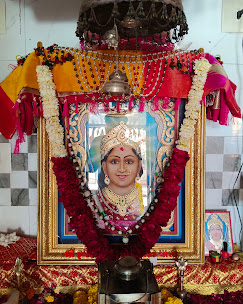
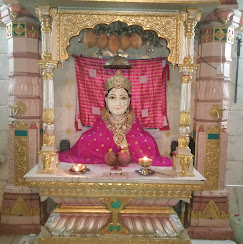
Chehar Maa Temple – Gandhinagar
-
 Gandhinagar, Gujarat
 -
January 27, 2026
-
-
0.00

 January 27, 2026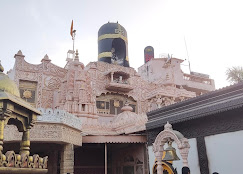
Important Days and Dates
The temple is a major spiritual center, especially for the local community and devotees of Shakti. The following dates are highly significant:
- Vasant Panchami: This is the most celebrated day at the temple, marking the Pragatyotsav (Appearance Day) of Chehar Maa. It usually falls in late January or early February.
- Chaitri Navratri and Sharad Navratri: The nine nights of Navratri are celebrated with special Aartis, Havan, and traditional Garba.
- Poonam (Full Moon): Every full moon day sees a massive surge in pilgrims. Special prayers and community meals (Annakshetra) are organized.
- Sundays and Tuesdays: These are the traditional days of the week dedicated to the Goddess, where the temple remains crowded with local devotee
How to Reach
Delhi – To – Chehar Maa Temple (Gandhinagar)
- By Air: Fly from Indira Gandhi International Airport (DEL) to Sardar Vallabhbhai Patel International Airport (AMD) in Ahmedabad. From the airport, Gandhinagar is approximately 18–20 km away. You can hire a pre-paid taxi or use ride-sharing apps like Uber/Ola to reach the temple.
- By Train: Take a train from Delhi/New Delhi to Gandhinagar Capital (GNC) station or Ahmedabad Junction (ADI). The Gandhinagar Capital station is very close to the city center. From either station, local autos or taxis are readily available.
- By Road: Delhi to Gandhinagar is roughly 900 km via NH48. Regular luxury and state transport buses run between Delhi and Ahmedabad/Gandhinagar.
Ahmedabad – To – Chehar Maa Temple (Gandhinagar)
- By Metro: You can take the Ahmedabad Metro (Line 3) towards Sachivalaya/Gandhinagar. The Sector 1 station is a convenient drop-off point, followed by a short auto-rickshaw ride.
- By GSRTC/Local Bus: Frequent State Transport (GSRTC) and VTCOS buses run from Geeta Mandir or Kalupur in Ahmedabad to Gandhinagar Pathika Ashram.
- By Private Vehicle: The temple is easily reachable via the Sarkhej-Gandhinagar (SG) Highway or the Ahmedabad-Gandhinagar Highway. It typically takes 30–45 minutes from the city center.
History of the Temple
The Chehar Maa Temple in the Gandhinagar/Adalaj region (often referred to as Tahuka ni Chehar) holds a unique place in Gujarati folklore:
Origin Myth: According to legend, Chehar Maa is a manifestation of Goddess Shakti. She is said to have appeared to protect her devotees and is often associated with the “Varkhadi” tree.
The Miracle of the Dry Tree: The temple’s modern history is linked to a miracle where a dry Varkhadi tree turned green overnight after a devotee’s prayer, signifying the Goddess’s presence.
The Three Forms: It is a local belief that the Goddess changes her appearance throughout the day—looking like a young girl in the morning, a middle-aged woman in the afternoon, and an elderly matriarch in the evening.
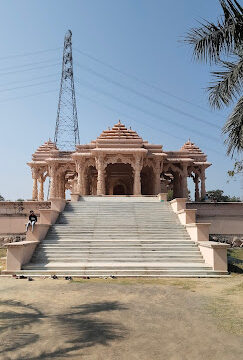
Architecture: The temple complex has grown significantly over the last 25 years, now featuring a large Yagnashala and an Annakshetra (community kitchen) that serves thousands of devotees every week.
Main Poojas Performed
The worship of Chehar Maa is rooted in Bhakti (devotion) and traditional Gujarati rituals. The poojas are performed with a focus on purity and gratitude.
-
- Maha Aarti: The most vital ritual. Performed twice daily (morning and evening), it involves the lighting of large lamps and the chanting of praises to the Goddess.
- Thaal Offering: A ritualistic offering of food (Bhog) to the deity. This is usually performed mid-morning. The food is later distributed as Prasad.
- Chunari Manorath: Devotees offer a traditional decorative cloth (Chunari) and flowers to the Goddess, often as a fulfillment of a vow (Mannat).
- Srifal Hom: The offering of sacred coconuts in the temple’s ritual fire or at the designated altar, symbolizing the surrender of the ego.
Attire (Dressing Guidelines) for Pooja
To maintain the sanctity of the Garbhagriha (sanctum sanctorum) and the temple premises, traditional and modest clothing is highly recommended.
Men:
-
- Traditional attire such as Kurta-Pyjama or Dhoti is preferred. Modern casuals like formal trousers and shirts are acceptable, but shorts and sleeveless shirts should be avoided.
Women:
-
- Saris or Salwar Kameez with a dupatta are the standard. It is customary in this region to cover the head with a dupatta or the end of a sari while facing the deity as a mark of respect.
General:
-
- Footwear must be removed at the designated counters before entering the main temple complex
As of current records, the temple is managed by a private Trust. While many community-run portals provide information, the following are the primary points of reference:
Official Websites
Official Temple Trust:
Availability may vary based on server maintenance).
Government/Tourism Info:
Information regarding Gandhinagar temples can often be found via the Gujarat Tourism Official Website.
Description
Important Days and Dates
The temple is a major spiritual center, especially for the local community and devotees of Shakti. The following dates are highly significant:
- Vasant Panchami: This is the most celebrated day at the temple, marking the Pragatyotsav (Appearance Day) of Chehar Maa. It usually falls in late January or early February.
- Chaitri Navratri and Sharad Navratri: The nine nights of Navratri are celebrated with special Aartis, Havan, and traditional Garba.
- Poonam (Full Moon): Every full moon day sees a massive surge in pilgrims. Special prayers and community meals (Annakshetra) are organized.
- Sundays and Tuesdays: These are the traditional days of the week dedicated to the Goddess, where the temple remains crowded with local devotee
How to Reach
Delhi – To – Chehar Maa Temple (Gandhinagar)
- By Air: Fly from Indira Gandhi International Airport (DEL) to Sardar Vallabhbhai Patel International Airport (AMD) in Ahmedabad. From the airport, Gandhinagar is approximately 18–20 km away. You can hire a pre-paid taxi or use ride-sharing apps like Uber/Ola to reach the temple.
- By Train: Take a train from Delhi/New Delhi to Gandhinagar Capital (GNC) station or Ahmedabad Junction (ADI). The Gandhinagar Capital station is very close to the city center. From either station, local autos or taxis are readily available.
- By Road: Delhi to Gandhinagar is roughly 900 km via NH48. Regular luxury and state transport buses run between Delhi and Ahmedabad/Gandhinagar.
Ahmedabad – To – Chehar Maa Temple (Gandhinagar)
- By Metro: You can take the Ahmedabad Metro (Line 3) towards Sachivalaya/Gandhinagar. The Sector 1 station is a convenient drop-off point, followed by a short auto-rickshaw ride.
- By GSRTC/Local Bus: Frequent State Transport (GSRTC) and VTCOS buses run from Geeta Mandir or Kalupur in Ahmedabad to Gandhinagar Pathika Ashram.
- By Private Vehicle: The temple is easily reachable via the Sarkhej-Gandhinagar (SG) Highway or the Ahmedabad-Gandhinagar Highway. It typically takes 30–45 minutes from the city center.
History of the Temple
The Chehar Maa Temple in the Gandhinagar/Adalaj region (often referred to as Tahuka ni Chehar) holds a unique place in Gujarati folklore:
Origin Myth: According to legend, Chehar Maa is a manifestation of Goddess Shakti. She is said to have appeared to protect her devotees and is often associated with the “Varkhadi” tree.
The Miracle of the Dry Tree: The temple’s modern history is linked to a miracle where a dry Varkhadi tree turned green overnight after a devotee’s prayer, signifying the Goddess’s presence.
The Three Forms: It is a local belief that the Goddess changes her appearance throughout the day—looking like a young girl in the morning, a middle-aged woman in the afternoon, and an elderly matriarch in the evening.
Architecture: The temple complex has grown significantly over the last 25 years, now featuring a large Yagnashala and an Annakshetra (community kitchen) that serves thousands of devotees every week.
Main Poojas Performed
The worship of Chehar Maa is rooted in Bhakti (devotion) and traditional Gujarati rituals. The poojas are performed with a focus on purity and gratitude.
-
- Maha Aarti: The most vital ritual. Performed twice daily (morning and evening), it involves the lighting of large lamps and the chanting of praises to the Goddess.
- Thaal Offering: A ritualistic offering of food (Bhog) to the deity. This is usually performed mid-morning. The food is later distributed as Prasad.
- Chunari Manorath: Devotees offer a traditional decorative cloth (Chunari) and flowers to the Goddess, often as a fulfillment of a vow (Mannat).
- Srifal Hom: The offering of sacred coconuts in the temple’s ritual fire or at the designated altar, symbolizing the surrender of the ego.
Attire (Dressing Guidelines) for Pooja
To maintain the sanctity of the Garbhagriha (sanctum sanctorum) and the temple premises, traditional and modest clothing is highly recommended.
Men:
-
- Traditional attire such as Kurta-Pyjama or Dhoti is preferred. Modern casuals like formal trousers and shirts are acceptable, but shorts and sleeveless shirts should be avoided.
Women:
-
- Saris or Salwar Kameez with a dupatta are the standard. It is customary in this region to cover the head with a dupatta or the end of a sari while facing the deity as a mark of respect.
General:
-
- Footwear must be removed at the designated counters before entering the main temple complex
As of current records, the temple is managed by a private Trust. While many community-run portals provide information, the following are the primary points of reference:
Official Websites
Official Temple Trust:
Availability may vary based on server maintenance).
Government/Tourism Info:
Information regarding Gandhinagar temples can often be found via the Gujarat Tourism Official Website.