
 January 27, 2026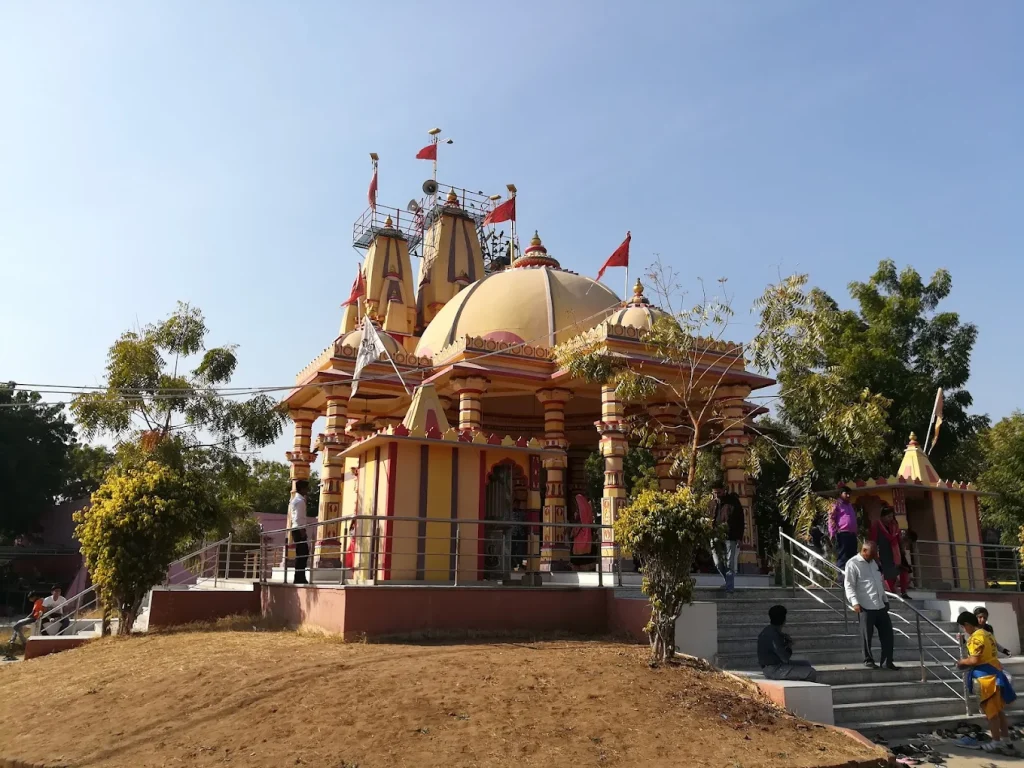
Important Days and Dates
- Navratri: Celebrated twice a year (Chaitra Navratri in March–April and Sharad Navratri in September–October). This is the most important festival at the temple.
- Purnima (Full Moon Days): Special prayers and aarti are performed.
- Sundays: Considered auspicious, with higher devotee attendance.
How to Reach
Delhi to Chehar Maa Temple (Becharaji):
- By Air: Fly from Delhi to Ahmedabad Airport. From Ahmedabad, travel by road or rail to Becharaji.
- By Train: Direct or connecting trains are available from Delhi to Ahmedabad or Mehsana. From Mehsana, Becharaji is about 35 km by road.
- By Road: Distance is approximately 950 km. Travel via NH48 towards Ahmedabad, then proceed to Becharaji.
Ahmedabad to Chehar Maa Temple (Becharaji):
- By Road: Approximately 110 km. Regular buses, taxis, and private vehicles are available. Travel time is around 2.5 to 3 hours.
- By Train: Frequent trains run from Ahmedabad to Becharaji or Mehsana. From Mehsana, local transport is available.
- By Bus: Gujarat State Transport (GSRTC) runs regular buses from Ahmedabad to Becharaji.
History of the Temple
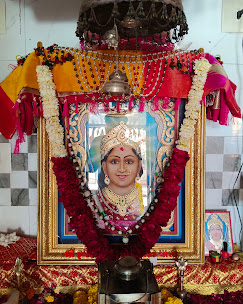
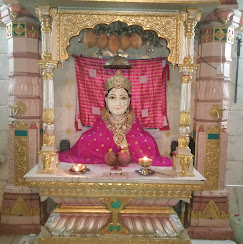
Chehar Maa is a revered goddess in Gujarat and is considered the kuldevi (family deity) of several communities, especially the Solanki (Chaulukya) Rajputs. According to legend, Chehar Maa protected devotees from injustice and granted blessings to the faithful.
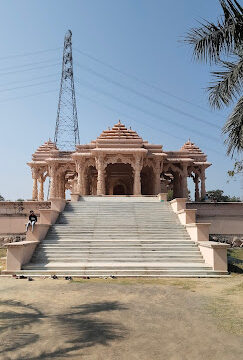
The temple at Becharaji holds great historical and spiritual importance. It is believed that the worship of Chehar Maa dates back several centuries. The site became prominent during the Solanki rule, when the goddess was worshipped as a symbol of power, protection, and justice.
the Chehar Maa Temple at Becharaji is a major pilgrimage center, attracting thousands of devotees throughout the year, especially during Navratri.
Main Poojas Performed
The rituals here follow the Shakta tradition, focusing on the feminine divine energy.
-
- Maha Aarti: The most essential ritual. Performed twice daily (Pratah and Sandhya). It is considered the most powerful time to receive the Goddess’s energy.
- Chundadi Manorath: The primary offering to Chehar Maa. Devotees offer a “Chundadi” (sacred scarf) and “Shringar” (adornments) to the Goddess, usually after the fulfillment of a wish (Mannat).
- Thaal Offering: A ritual where a variety of cooked food (Bhog) is offered to the deity. In this region, Sukhadi and Lapsi are the traditional favorites offered to the Mother.
- Panchamrut Snan: On special occasions, the idol (or the symbolic padukas) is bathed with five nectarous elements: milk, curd, honey, sugar, and ghee.
Attire (Dressing Guidelines) for Pooja
The temple maintains a traditional atmosphere. To show proper respect, the following guidelines should be followed:
Men:
-
- Recommended: Kurta-Pajama or Dhoti.
- Accepted: Formal shirts and trousers.
- Avoid: Shorts, distressed denim, or lungis
Women:
-
- Recommended: Saree or Salwar Kameez (Punjabi suit) with a Dupatta.
- Note: It is a local custom to cover the head with a dupatta or the end of a saree during the Aarti or while entering the inner sanctum.
General:
-
- Footwear must be removed before entering the temple complex. Leather items (belts, wallets) should ideally be kept away from the main sanctum.
Because this temple is often managed by local village trusts or family lineages (Gadi), digital presence is frequently consolidated under regional tourism or religious boards.
Official Websites
Temple Trust Contact/Website:
http://cheharmaamartoli.org/
Government Reference:
For administrative details or pilgrimage circuits in Mehsana, the Official Gujarat Tourism – Mehsana Page provides verified travel and cultural data.
Description
Important Days and Dates
- Navratri: Celebrated twice a year (Chaitra Navratri in March–April and Sharad Navratri in September–October). This is the most important festival at the temple.
- Purnima (Full Moon Days): Special prayers and aarti are performed.
- Sundays: Considered auspicious, with higher devotee attendance.
How to Reach
Delhi to Chehar Maa Temple (Becharaji):
- By Air: Fly from Delhi to Ahmedabad Airport. From Ahmedabad, travel by road or rail to Becharaji.
- By Train: Direct or connecting trains are available from Delhi to Ahmedabad or Mehsana. From Mehsana, Becharaji is about 35 km by road.
- By Road: Distance is approximately 950 km. Travel via NH48 towards Ahmedabad, then proceed to Becharaji.
Ahmedabad to Chehar Maa Temple (Becharaji):
- By Road: Approximately 110 km. Regular buses, taxis, and private vehicles are available. Travel time is around 2.5 to 3 hours.
- By Train: Frequent trains run from Ahmedabad to Becharaji or Mehsana. From Mehsana, local transport is available.
- By Bus: Gujarat State Transport (GSRTC) runs regular buses from Ahmedabad to Becharaji.
History of the Temple
Chehar Maa is a revered goddess in Gujarat and is considered the kuldevi (family deity) of several communities, especially the Solanki (Chaulukya) Rajputs. According to legend, Chehar Maa protected devotees from injustice and granted blessings to the faithful.
The temple at Becharaji holds great historical and spiritual importance. It is believed that the worship of Chehar Maa dates back several centuries. The site became prominent during the Solanki rule, when the goddess was worshipped as a symbol of power, protection, and justice.
the Chehar Maa Temple at Becharaji is a major pilgrimage center, attracting thousands of devotees throughout the year, especially during Navratri.
Main Poojas Performed
The rituals here follow the Shakta tradition, focusing on the feminine divine energy.
-
- Maha Aarti: The most essential ritual. Performed twice daily (Pratah and Sandhya). It is considered the most powerful time to receive the Goddess’s energy.
- Chundadi Manorath: The primary offering to Chehar Maa. Devotees offer a “Chundadi” (sacred scarf) and “Shringar” (adornments) to the Goddess, usually after the fulfillment of a wish (Mannat).
- Thaal Offering: A ritual where a variety of cooked food (Bhog) is offered to the deity. In this region, Sukhadi and Lapsi are the traditional favorites offered to the Mother.
- Panchamrut Snan: On special occasions, the idol (or the symbolic padukas) is bathed with five nectarous elements: milk, curd, honey, sugar, and ghee.
Attire (Dressing Guidelines) for Pooja
The temple maintains a traditional atmosphere. To show proper respect, the following guidelines should be followed:
Men:
-
- Recommended: Kurta-Pajama or Dhoti.
- Accepted: Formal shirts and trousers.
- Avoid: Shorts, distressed denim, or lungis
Women:
-
- Recommended: Saree or Salwar Kameez (Punjabi suit) with a Dupatta.
- Note: It is a local custom to cover the head with a dupatta or the end of a saree during the Aarti or while entering the inner sanctum.
General:
-
- Footwear must be removed before entering the temple complex. Leather items (belts, wallets) should ideally be kept away from the main sanctum.
Because this temple is often managed by local village trusts or family lineages (Gadi), digital presence is frequently consolidated under regional tourism or religious boards.
Official Websites
Temple Trust Contact/Website:
http://cheharmaamartoli.org/
Government Reference:
For administrative details or pilgrimage circuits in Mehsana, the Official Gujarat Tourism – Mehsana Page provides verified travel and cultural data.