
 January 27, 2026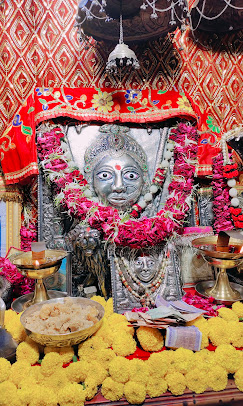
Important Days and Dates
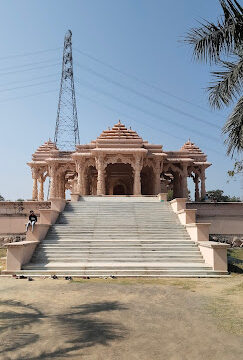
The Chehar Maa Temple is a hub of spiritual energy, with specific days holding immense significance for devotees
- Vasant Panchami (Maha Sud 5): This is the most important day, celebrated as the Pragatyotsav (Appearance Day) of Chehar Maa. It is believed she manifested on this day under a Kesuda tree.
- Chaitri Poonam: A massive “Jatra” (fair) is held during the full moon of the Chaitra month. Thousands of pilgrims visit, and the temple often hosts grand replicas of sacred sites (like Kailash Mansarovar).
- Sundays and Tuesdays: These days are considered highly auspicious for visiting, with special aartis and larger crowds seeking blessings.
- Navratri: Like all Shakti temples, the nine nights of Navratri are celebrated with great fervor, traditional Garba, and special pujas.
How to Reach
Delhi – To – Chehar Maa Temple
- By Air: Fly from Indira Gandhi International Airport (DEL) to Sardar Vallabhbhai Patel International Airport (AMD) in Ahmedabad (approx. 1.5 hours). From the airport, the temple (near Adalaj/SG Highway) is about 15–20 km away and can be reached via taxi or auto
- By Train: Take a direct train (like the Ashram Express or Swarna Jayanti Rajdhani) from Delhi/New Delhi to Ahmedabad Junction (Kalupur). The temple is approximately 20–25 km from the station
- By Road: A long-distance drive via NH48 (approx. 900 km).
Ahmedabad – To – Chehar Maa Temple
- By Local Bus: Use the AMTS or BRTS services. Buses heading towards Adalaj or Gandhinagar via SG Highway are most convenient. The “Tahuka ni Chehar” temple is specifically located near the Adalaj crossroad/SG Highway.
- By Private Transport: The temple is easily accessible via the Sarkhej-Gandhinagar (SG) Highway. It is a roughly 30–45 minute drive from the city center (like Ashram Road or Satellite area).
- Landmark: Near the famous Adalaj Stepwell (Adalaj ni Vav).
History of the Temple
The history of Chehar Maa is rooted in deep faith and miraculous lore:
The Manifestation: Legend states that Chehar Maa (originally known as Chehuba) was the third daughter of King Shekhawatsinh. While her sisters were born naturally, she was found miraculously in a cradle under a Kesuda tree on Vasant Panchami.
The Miraculous Tree: A modern history associated with the temple near Adalaj involves a devotee named Satishbhai in 1995. It is said the Goddess appeared in his dream, pointing to a dried-up Varkhadi tree in a triangular field. She promised that if the tree turned green overnight, it would be proof of her presence. The tree indeed turned green, and an Akhand Diya (eternal lamp) was lit, which continues to burn today.
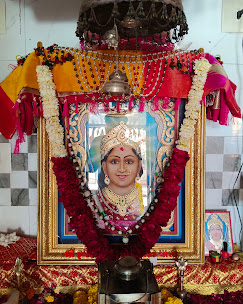
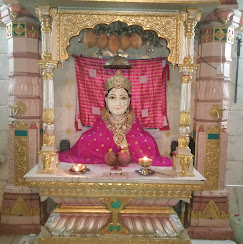
Divine Forms: Devotees believe the Goddess changes her form three times a day—appearing as a young girl in the morning, a youth in the afternoon, and an elderly woman in the evening. She is considered a benevolent form of Goddess Chamunda.
Main Poojas Performed
The temple follows traditional Shakta (Goddess-worshipping) rituals. Poojas are generally conducted in the following priority:
-
- Aarti (Morning & Evening): The most essential daily ritual. The Mangala Aarti is performed at sunrise, and the Sandhya Aarti is performed at sunset.
- Thal Offering: A ritual where sanctified food (Prasad) is offered to the Goddess before being distributed to devotees.
- Special Chaitri Poonam Pooja: A high-priority ritual performed during the full moon of the Chaitra month, involving elaborate decorations and special Vedic chants.
- Navratri Anushthan: During the nine nights of Navratri, special Havan (fire rituals) and Garba are performed to honor the Goddess’s power.
Attire (Dressing Guidelines) for Pooja
While there is no “strictly enforced” uniform like in some South Indian temples, traditional modesty is expected:
Men:
-
- Recommended to wear Dhoti-Kurta or Pajama-Kurta. While formal shirts and trousers are permitted, shorts and sleeveless tops should be avoided.
Women:
-
- Recommended to wear Sarees or Salwar Kameez with Dupatta. It is customary to cover the head with a dupatta or saree pallu during the Aarti or while standing before the sanctum.
Restrictions:
-
- Ripped jeans, miniskirts, and sleeveless clothing are discouraged as a sign of respect for the deity. Footwear must be removed at the designated area outside the main temple complex.
Official Websites
Government Website:
There is currently no dedicated page on the Gujarat Tourism (GujaratTourism.com) portal specifically for the Ahmedabad Chehar Maa branch, though they list major state Shakti Peeths.
Devotional Site:
Most local Chehar Maa temples are managed by private community trusts (e.g., Shree Chehar Mataji Temple Trust). They primarily communicate through official social media pages rather than a central government-hosted domain.
Description
Important Days and Dates
The Chehar Maa Temple is a hub of spiritual energy, with specific days holding immense significance for devotees
- Vasant Panchami (Maha Sud 5): This is the most important day, celebrated as the Pragatyotsav (Appearance Day) of Chehar Maa. It is believed she manifested on this day under a Kesuda tree.
- Chaitri Poonam: A massive “Jatra” (fair) is held during the full moon of the Chaitra month. Thousands of pilgrims visit, and the temple often hosts grand replicas of sacred sites (like Kailash Mansarovar).
- Sundays and Tuesdays: These days are considered highly auspicious for visiting, with special aartis and larger crowds seeking blessings.
- Navratri: Like all Shakti temples, the nine nights of Navratri are celebrated with great fervor, traditional Garba, and special pujas.
How to Reach
Delhi – To – Chehar Maa Temple
- By Air: Fly from Indira Gandhi International Airport (DEL) to Sardar Vallabhbhai Patel International Airport (AMD) in Ahmedabad (approx. 1.5 hours). From the airport, the temple (near Adalaj/SG Highway) is about 15–20 km away and can be reached via taxi or auto
- By Train: Take a direct train (like the Ashram Express or Swarna Jayanti Rajdhani) from Delhi/New Delhi to Ahmedabad Junction (Kalupur). The temple is approximately 20–25 km from the station
- By Road: A long-distance drive via NH48 (approx. 900 km).
Ahmedabad – To – Chehar Maa Temple
- By Local Bus: Use the AMTS or BRTS services. Buses heading towards Adalaj or Gandhinagar via SG Highway are most convenient. The “Tahuka ni Chehar” temple is specifically located near the Adalaj crossroad/SG Highway.
- By Private Transport: The temple is easily accessible via the Sarkhej-Gandhinagar (SG) Highway. It is a roughly 30–45 minute drive from the city center (like Ashram Road or Satellite area).
- Landmark: Near the famous Adalaj Stepwell (Adalaj ni Vav).
History of the Temple
The history of Chehar Maa is rooted in deep faith and miraculous lore:
The Manifestation: Legend states that Chehar Maa (originally known as Chehuba) was the third daughter of King Shekhawatsinh. While her sisters were born naturally, she was found miraculously in a cradle under a Kesuda tree on Vasant Panchami.
The Miraculous Tree: A modern history associated with the temple near Adalaj involves a devotee named Satishbhai in 1995. It is said the Goddess appeared in his dream, pointing to a dried-up Varkhadi tree in a triangular field. She promised that if the tree turned green overnight, it would be proof of her presence. The tree indeed turned green, and an Akhand Diya (eternal lamp) was lit, which continues to burn today.
Divine Forms: Devotees believe the Goddess changes her form three times a day—appearing as a young girl in the morning, a youth in the afternoon, and an elderly woman in the evening. She is considered a benevolent form of Goddess Chamunda.
Main Poojas Performed
The temple follows traditional Shakta (Goddess-worshipping) rituals. Poojas are generally conducted in the following priority:
-
- Aarti (Morning & Evening): The most essential daily ritual. The Mangala Aarti is performed at sunrise, and the Sandhya Aarti is performed at sunset.
- Thal Offering: A ritual where sanctified food (Prasad) is offered to the Goddess before being distributed to devotees.
- Special Chaitri Poonam Pooja: A high-priority ritual performed during the full moon of the Chaitra month, involving elaborate decorations and special Vedic chants.
- Navratri Anushthan: During the nine nights of Navratri, special Havan (fire rituals) and Garba are performed to honor the Goddess’s power.
Attire (Dressing Guidelines) for Pooja
While there is no “strictly enforced” uniform like in some South Indian temples, traditional modesty is expected:
Men:
-
- Recommended to wear Dhoti-Kurta or Pajama-Kurta. While formal shirts and trousers are permitted, shorts and sleeveless tops should be avoided.
Women:
-
- Recommended to wear Sarees or Salwar Kameez with Dupatta. It is customary to cover the head with a dupatta or saree pallu during the Aarti or while standing before the sanctum.
Restrictions:
-
- Ripped jeans, miniskirts, and sleeveless clothing are discouraged as a sign of respect for the deity. Footwear must be removed at the designated area outside the main temple complex.
Official Websites
Government Website:
There is currently no dedicated page on the Gujarat Tourism (GujaratTourism.com) portal specifically for the Ahmedabad Chehar Maa branch, though they list major state Shakti Peeths.
Devotional Site:
Most local Chehar Maa temples are managed by private community trusts (e.g., Shree Chehar Mataji Temple Trust). They primarily communicate through official social media pages rather than a central government-hosted domain.