
 January 20, 2026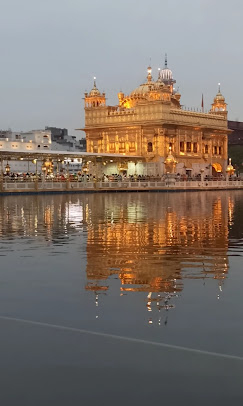
Important Days and Dates
- Gurpurab of Guru Hargobind Sahib Ji – Celebrated to mark the birth anniversary of the sixth Sikh Guru.
- Guru Nanak Gurpurab – Celebrated with great devotion, as Akal Takht Sahib is part of the Golden Temple complex.
- Baisakhi (April 13/14) – A major Sikh festival commemorating the formation of the Khalsa.
- Diwali (Bandi Chhor Divas) – Celebrated to mark the release of Guru Hargobind Sahib Ji from Gwalior Fort.
- Martyrdom Day of Guru Arjan Dev Ji – Observed with prayers and kirtan.
How to Reach
Delhi to Akal Takht Sahib (Amritsar)
By Air:
- Direct flights are available from Delhi to Sri Guru Ram Dass Jee International Airport, Amritsar. The temple is about 13 km from the airport.
By Train:
- Several trains such as Shatabdi Express and Punjab Mail run daily from Delhi to Amritsar Junction. The temple is around 2 km from the railway station.
By Road:
- Amritsar is approximately 450 km from Delhi and can be reached via NH 44 by bus or car.
Ahmedabad to Akal Takht Sahib (Amritsar)
By Air:
- Connecting flights are available from Ahmedabad to Amritsar via Delhi or Mumbai.
By Train:
- Long-distance trains connect Ahmedabad to Amritsar, though travel time is long.
By Road:
- The distance is approximately 1,200 km, and road travel is not commonly preferred.
About History of the Temple
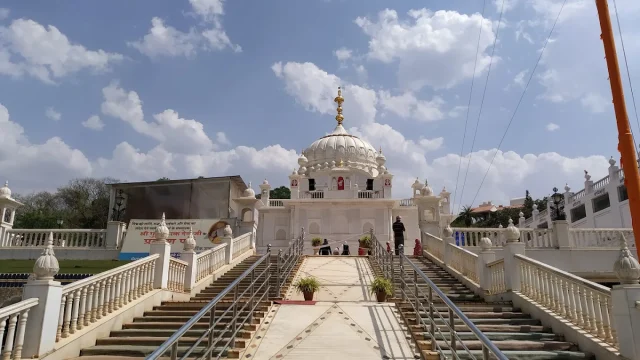
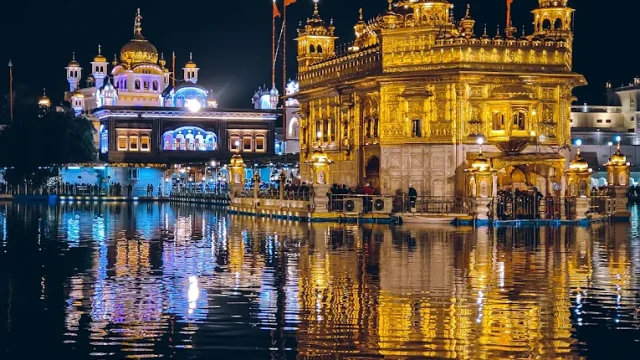
Akal Takht Sahib was established in 1606 by the sixth Sikh Guru, Guru Hargobind Sahib Ji. It represents the highest seat of temporal authority in Sikhism and stands opposite the Harmandir Sahib (Golden Temple). The word ‘Akal’ means timeless, and ‘Takht’ means throne.
Guru Hargobind Sahib Ji constructed Akal Takht Sahib to emphasize the concept of Miri-Piri, which signifies the balance between temporal power (Miri) and spiritual authority (Piri). Over the centuries, Akal Takht Sahib has played a central role in Sikh political, social, and religious life
The structure has been rebuilt several times due to attacks and damage during historical conflicts. Today, Akal Takht Sahib remains one of the five Takhts (seats of authority) in Sikhism and continues to guide the Sikh community on religious and social matters.
Description
Important Days and Dates
- Gurpurab of Guru Hargobind Sahib Ji – Celebrated to mark the birth anniversary of the sixth Sikh Guru.
- Guru Nanak Gurpurab – Celebrated with great devotion, as Akal Takht Sahib is part of the Golden Temple complex.
- Baisakhi (April 13/14) – A major Sikh festival commemorating the formation of the Khalsa.
- Diwali (Bandi Chhor Divas) – Celebrated to mark the release of Guru Hargobind Sahib Ji from Gwalior Fort.
- Martyrdom Day of Guru Arjan Dev Ji – Observed with prayers and kirtan.
How to Reach
Delhi to Akal Takht Sahib (Amritsar)
By Air:
- Direct flights are available from Delhi to Sri Guru Ram Dass Jee International Airport, Amritsar. The temple is about 13 km from the airport.
By Train:
- Several trains such as Shatabdi Express and Punjab Mail run daily from Delhi to Amritsar Junction. The temple is around 2 km from the railway station.
By Road:
- Amritsar is approximately 450 km from Delhi and can be reached via NH 44 by bus or car.
Ahmedabad to Akal Takht Sahib (Amritsar)
By Air:
- Connecting flights are available from Ahmedabad to Amritsar via Delhi or Mumbai.
By Train:
- Long-distance trains connect Ahmedabad to Amritsar, though travel time is long.
By Road:
- The distance is approximately 1,200 km, and road travel is not commonly preferred.
About History of the Temple
Akal Takht Sahib was established in 1606 by the sixth Sikh Guru, Guru Hargobind Sahib Ji. It represents the highest seat of temporal authority in Sikhism and stands opposite the Harmandir Sahib (Golden Temple). The word ‘Akal’ means timeless, and ‘Takht’ means throne.
Guru Hargobind Sahib Ji constructed Akal Takht Sahib to emphasize the concept of Miri-Piri, which signifies the balance between temporal power (Miri) and spiritual authority (Piri). Over the centuries, Akal Takht Sahib has played a central role in Sikh political, social, and religious life
The structure has been rebuilt several times due to attacks and damage during historical conflicts. Today, Akal Takht Sahib remains one of the five Takhts (seats of authority) in Sikhism and continues to guide the Sikh community on religious and social matters.