
 January 20, 2026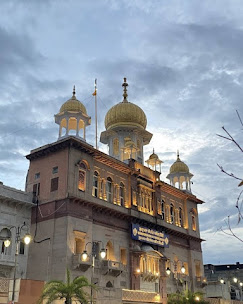
Important Days and Dates
- Shaheedi Divas of Guru Tegh Bahadur Ji: Observed every year in November to commemorate the martyrdom of Guru Tegh Bahadur Ji (historically dated 11 November 1675).
- Guru Nanak Gurpurab: Celebrated in November as per the Sikh calendar, marking the birth anniversary of Guru Nanak Dev Ji.
- Baisakhi: Celebrated on 13 or 14 April every year, marking the formation of the Khalsa.
- Other Gurpurabs and Sikh religious festivals are also observed with great devotion throughout the year.
How to Reach
Delhi – To – Gurdwara Sis Ganj Sahib
By Air:
- Indira Gandhi International Airport is about 20 km away; taxis and metro services are available.
By Train:
- Old Delhi Railway Station is approximately 2 km away
By Road:
- Easily accessible by taxi, auto-rickshaw, or local buses from all parts of Delhi
By Metro:
- The nearest metro station is Chandni Chowk (Yellow Line). The Gurdwara is within walking distance.
Ahmedabad – To – Gurdwara Sis Ganj Sahib
By Air:
- Direct flights are available from Ahmedabad to Delhi. From Delhi Airport, take a taxi or metro to Chandni Chowk.
By Train:
- Several direct trains operate between Ahmedabad Junction and New Delhi Railway Station.
By Road:
- Ahmedabad to Delhi is approximately 950 km; buses and private vehicles can be used, though travel time is long.
About History of the Temple
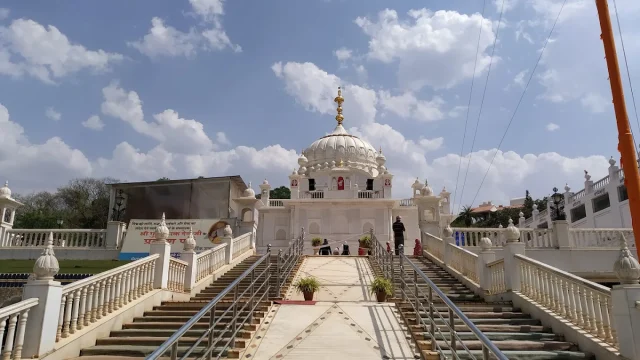
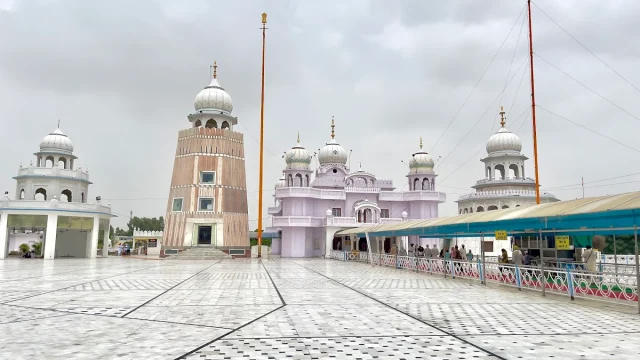
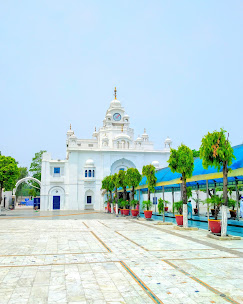
Gurdwara Sis Ganj Sahib is one of the most important historical Sikh shrines in Delhi. It marks the site where the ninth Sikh Guru, Guru Tegh Bahadur Ji, was beheaded in 1675 under the orders of Mughal Emperor Aurangzeb. Guru Tegh Bahadur Ji sacrificed his life to protect religious freedom and the rights of Kashmiri Pandits who were facing forced conversions.
After the execution, Bhai Jaita Ji courageously carried the severed head (Sis) of Guru Tegh Bahadur Ji to Anandpur Sahib, where Guru Gobind Singh Ji performed the last rites. The place where the Guru’s head fell came to be known as ‘Sis Ganj’.
The present Gurdwara was constructed in the 18th century by Sikh devotees and has since been renovated several times. Today, Gurdwara Sis Ganj Sahib stands as a powerful symbol of sacrifice, courage, and the defense of human rights. Thousands of devotees from India and around the world visit the Gurdwara every year to pay their respects.
Description
Important Days and Dates
- Shaheedi Divas of Guru Tegh Bahadur Ji: Observed every year in November to commemorate the martyrdom of Guru Tegh Bahadur Ji (historically dated 11 November 1675).
- Guru Nanak Gurpurab: Celebrated in November as per the Sikh calendar, marking the birth anniversary of Guru Nanak Dev Ji.
- Baisakhi: Celebrated on 13 or 14 April every year, marking the formation of the Khalsa.
- Other Gurpurabs and Sikh religious festivals are also observed with great devotion throughout the year.
How to Reach
Delhi – To – Gurdwara Sis Ganj Sahib
By Air:
- Indira Gandhi International Airport is about 20 km away; taxis and metro services are available.
By Train:
- Old Delhi Railway Station is approximately 2 km away
By Road:
- Easily accessible by taxi, auto-rickshaw, or local buses from all parts of Delhi
By Metro:
- The nearest metro station is Chandni Chowk (Yellow Line). The Gurdwara is within walking distance.
Ahmedabad – To – Gurdwara Sis Ganj Sahib
By Air:
- Direct flights are available from Ahmedabad to Delhi. From Delhi Airport, take a taxi or metro to Chandni Chowk.
By Train:
- Several direct trains operate between Ahmedabad Junction and New Delhi Railway Station.
By Road:
- Ahmedabad to Delhi is approximately 950 km; buses and private vehicles can be used, though travel time is long.
About History of the Temple
Gurdwara Sis Ganj Sahib is one of the most important historical Sikh shrines in Delhi. It marks the site where the ninth Sikh Guru, Guru Tegh Bahadur Ji, was beheaded in 1675 under the orders of Mughal Emperor Aurangzeb. Guru Tegh Bahadur Ji sacrificed his life to protect religious freedom and the rights of Kashmiri Pandits who were facing forced conversions.
After the execution, Bhai Jaita Ji courageously carried the severed head (Sis) of Guru Tegh Bahadur Ji to Anandpur Sahib, where Guru Gobind Singh Ji performed the last rites. The place where the Guru’s head fell came to be known as ‘Sis Ganj’.
The present Gurdwara was constructed in the 18th century by Sikh devotees and has since been renovated several times. Today, Gurdwara Sis Ganj Sahib stands as a powerful symbol of sacrifice, courage, and the defense of human rights. Thousands of devotees from India and around the world visit the Gurdwara every year to pay their respects.