Bhagwan Vishnu – Historical and Religious Information
Bhagwan Vishnu is one of the principal deities of Hinduism and a central figure in the Trimurti,
along with Brahma (the creator) and Shiva (the destroyer). Vishnu is known as the Preserver
and Protector of the universe.
Historical Background
The worship of Vishnu dates back to the Vedic period (around 1500–500 BCE). In the Rigveda,
Vishnu is described as a solar deity who takes three great steps to measure the universe.
Over time, his role evolved into that of the supreme protector of cosmic order (Dharma).
Role in Hindu Scriptures
Vishnu is prominently mentioned in the Vedas, Upanishads, Puranas, and epics such as the
Ramayana and the Mahabharata. The Bhagavad Gita, part of the Mahabharata, presents Vishnu
in the form of Lord Krishna, who delivers spiritual teachings to Arjuna.
Dashavatara (Ten Incarnations)
Vishnu is believed to descend to Earth in various incarnations (avatars) to restore balance.
The ten major avatars are:
- Matsya (Fish)
- Kurma (Tortoise)
- Varaha (Boar)
- Narasimha (Half-man, Half-lion)
- Vamana (Dwarf)
- Parashurama
- Rama
- Krishna
- Buddha (in some traditions)
- Kalki (future avatar)
Iconography
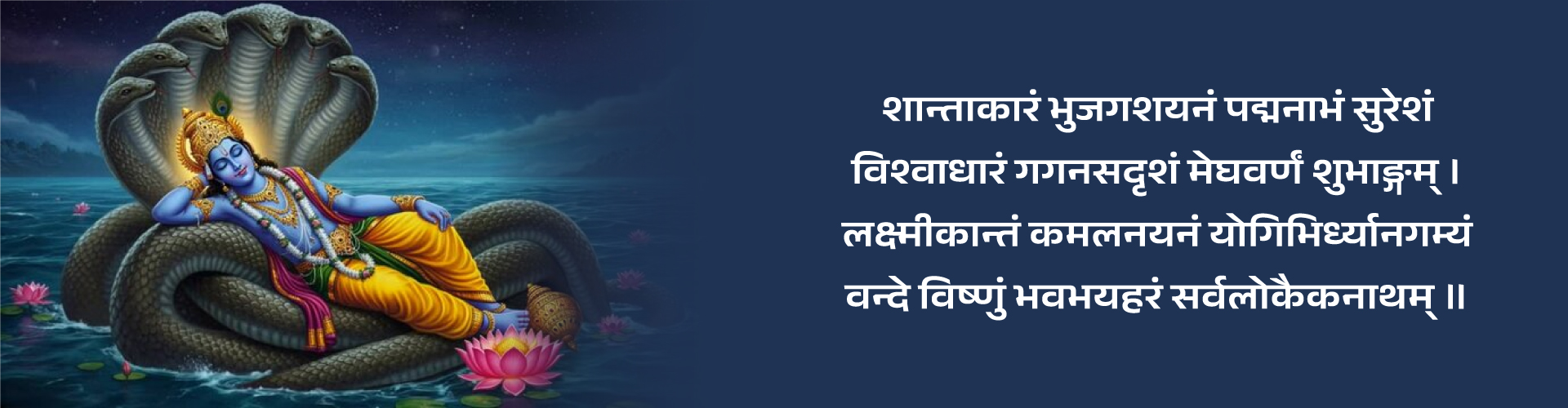
Vishnu is usually depicted with blue skin, holding a conch (Shankha), discus (Chakra), mace (Gada),
and lotus (Padma). He rests on the serpent Shesha in the cosmic ocean.
Cultural Importance
Vishnu worship is central to Vaishnavism, one of the major traditions within Hinduism.
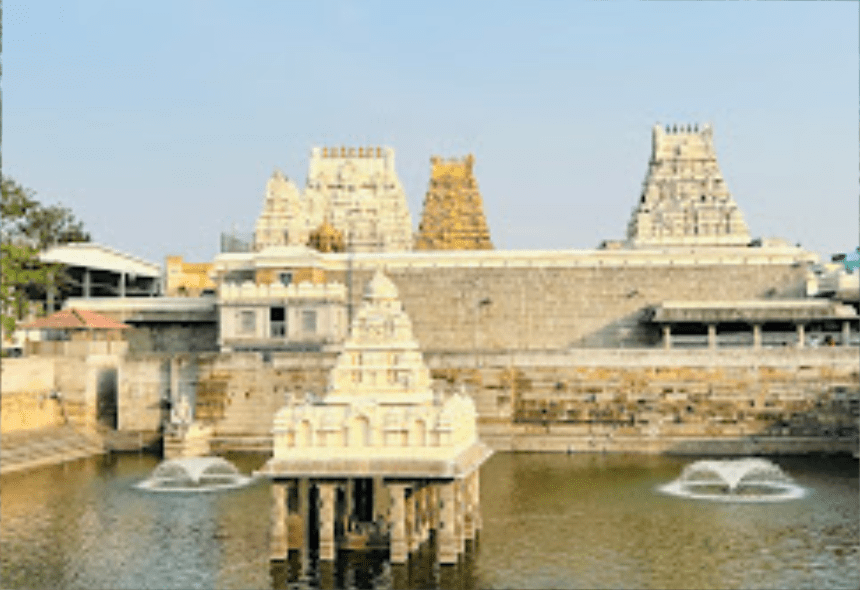
Major temples such as Tirupati Balaji, Badrinath, and Ranganathaswamy Temple are dedicated to him.
Conclusion
Bhagwan Vishnu represents preservation, compassion, and righteousness. His influence on Indian
history, culture, and spirituality is profound and enduring.